EN
EN
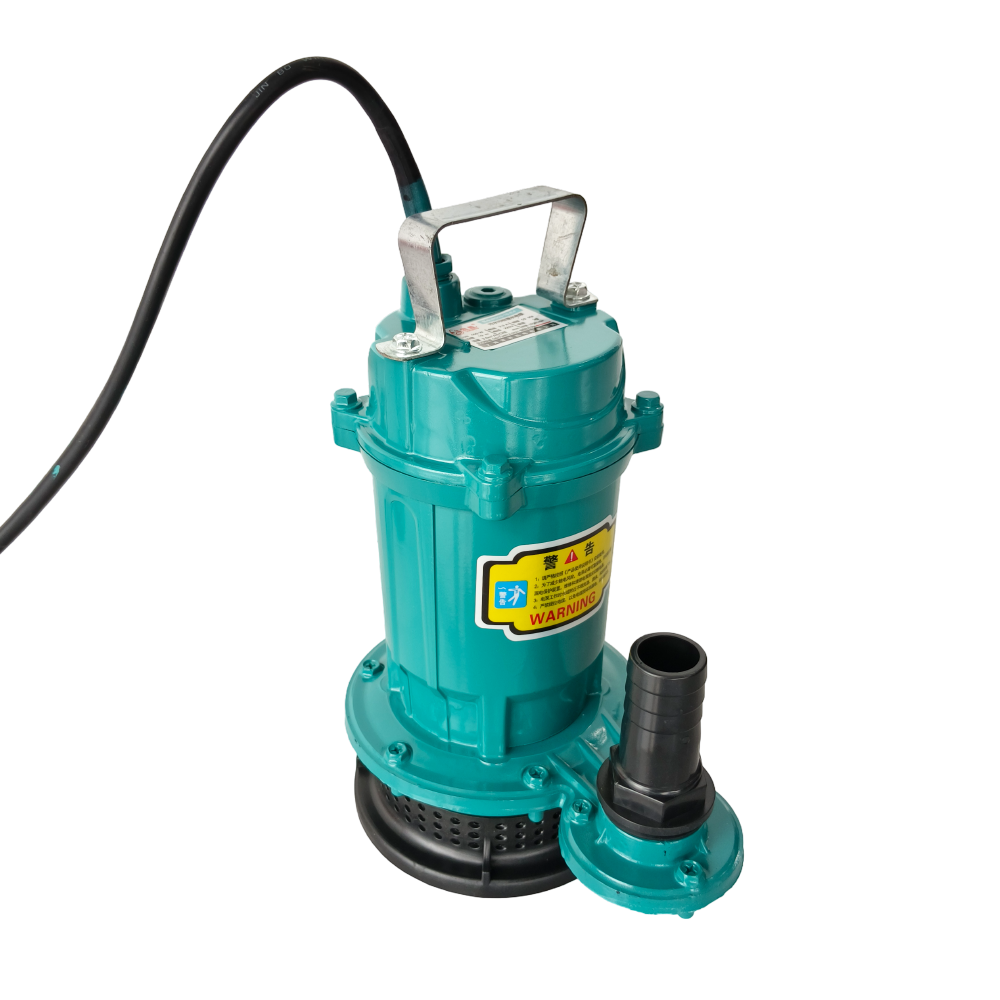
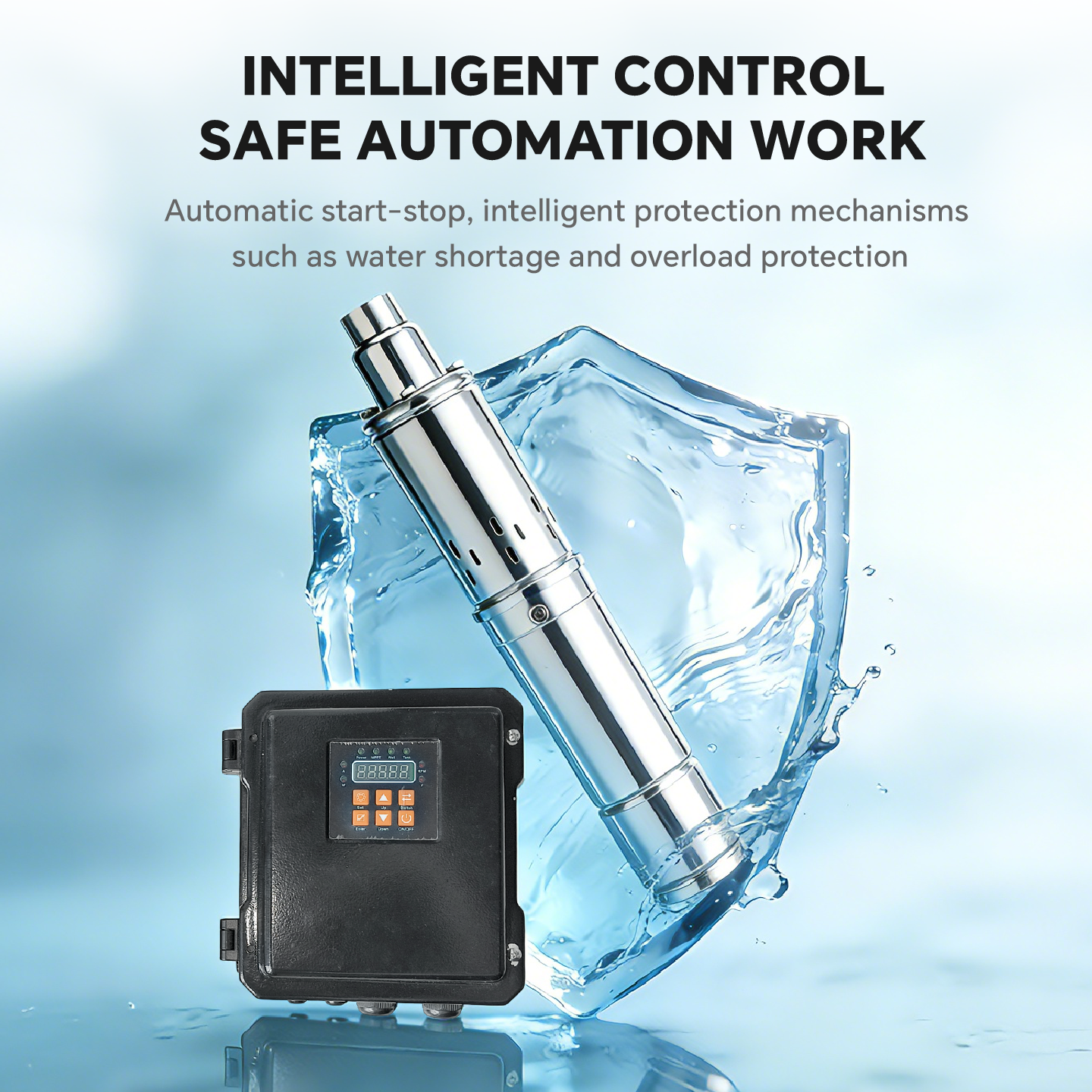
Solar panels and water pumps are essential components in various applications, from agriculture to residential use, providing efficient energy solutions and water management. When considering these products, B2B buyers often face critical concerns such as performance, compatibility, and cost-effectiveness. This article aims to guide purchasing managers, engineers, and product managers through the selection process of solar panels and water pumps, focusing on key specifications, cost factors, installation guidance, and common issues with effective solutions.
Key Specifications to Evaluate in Solar Panels and Water Pumps
When evaluating solar panels and water pumps, several key specifications are crucial to ensure they meet the intended application requirements:
Solar Panel Efficiency: This refers to the amount of sunlight converted into usable electricity. Higher efficiency panels can generate more power in limited space, making them ideal for installations with space constraints.
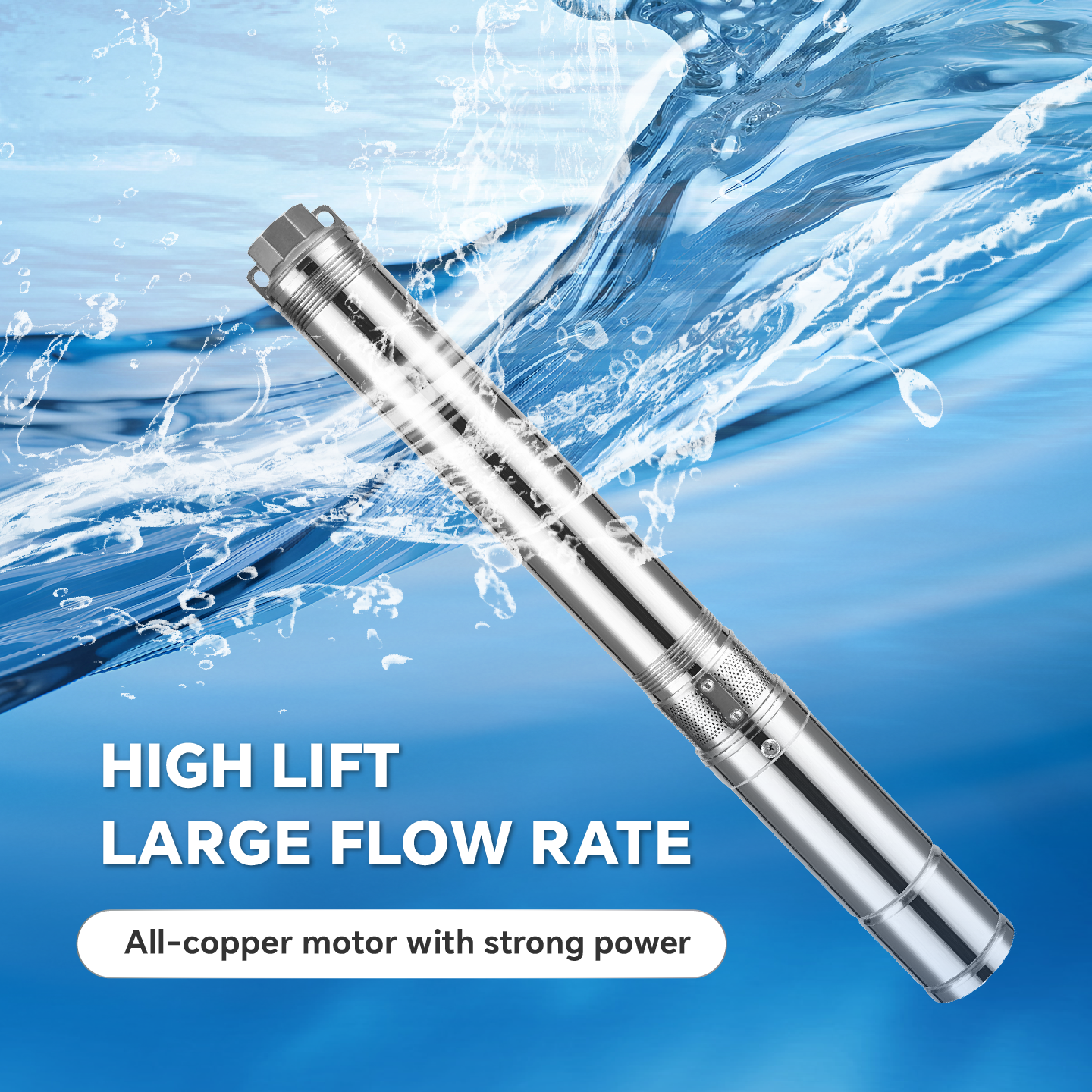
Water Pump Flow Rate: Measured in liters per minute (L/min) or gallons per minute (GPM), flow rate indicates how much water the pump can deliver. Ensure that the selected pump meets the demands of the intended application, whether for irrigation, residential supply, or industrial use. Consider options like the DC CPM Centrifugal Water Pump for Solar Irrigation & Agricultural Water Transfer for agricultural applications.
Pressure Ratings: For water pumps, consider the maximum pressure they can handle, which affects their ability to lift water to desired heights. This is particularly important in applications that require pumping water from deep wells or reservoirs.
Durability and Materials: Assess the materials used in both solar panels and water pumps. For instance, corrosion-resistant materials are vital in environments exposed to moisture or chemicals.
Certifications: Look for products that meet international performance and safety standards, ensuring reliability and efficiency.