EN
EN

A sump pump basement system is essential for preventing water damage in both residential and industrial settings. When selecting a sump pump, buyers often have concerns about performance, reliability, and long-term costs. This article will guide you through critical considerations for choosing the right sump pump, including specifications, cost factors, common problems, and diverse applications, ensuring you make an informed decision.
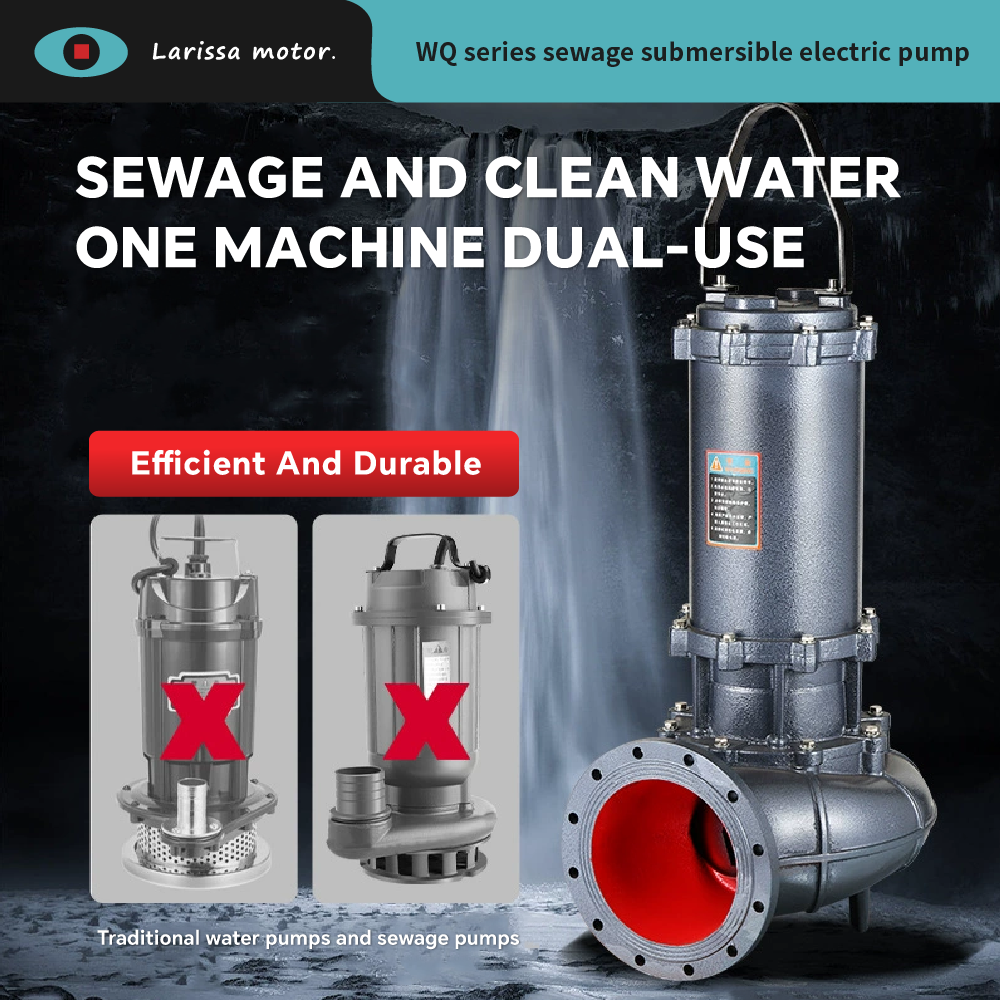
Key Specifications for High-Quality Basement Sump Pumps
When sourcing sump pumps, understanding critical specifications is vital to ensure suitability for your application. Key specifications include:
Flow Rate: Measured in gallons per minute (GPM), the flow rate indicates how much water the pump can remove in a given time. A higher flow rate is essential for areas with substantial water accumulation.
Head Height: This specification measures the vertical distance the pump can lift water. Ensure the pump's head height matches or exceeds the height of the discharge point in your system.
Switch Type: Sump pumps commonly feature either a float switch or a pressure switch. Float switches are more traditional but can be prone to sticking, while pressure switches offer a more reliable automation option.
Wattage and Energy Efficiency: Evaluate the wattage requirements and energy efficiency ratings of the pump, as this will affect utility costs over time, especially in high-use scenarios.
Warranty and Certifications: Look for pumps backed by a warranty and certifications, such as UL or CSA, indicating compliance with safety and performance standards.
Understanding these specifications will aid in selecting a sump pump that provides reliable performance and meets operational requirements.