How to Choose the Right Vertical Pump Centrifugal

Get a Professional Sourcing Quote

Our pump experts will review your request and reply within 12 hours.
Choose Your Needs Optional Business Type
Customization Requirements Optional
Email
Name
Company Name & Website
Message
0/1000

vertical pump centrifugal

Centrifugal pumps  play  a crucial  role in various industrial applications, offering efficient fluid movement through rotational energy.  Selecting the  right vertical pump centrifugal  system can significantly impact operational efficiency, maintenance  costs, and overall project success. ,  we will  explore essential considerations for choosing  the right  centrifugal  pump, understanding  cost factors, sourcing  reliable suppliers,  installation guidance,  and the diverse  applications of these  pumps in various  industries.
 
Understanding Cost Factors in Centrifugal Pump Selection

Understanding Cost Factors in Centrifugal Pump Selection

When evaluating  centrifugal pumps, understanding  the cost factors involved is  crucial for  making  an informed purchasing decision. The  initial purchase price is  just one  component; total cost of  ownership should also be considered. This includes installation costs,  maintenance expenses, and energy consumption over  the pump’s lifespan.

Material  selection significantly impacts cost. Pumps made from high-grade materials may have a higher upfront cost but can result in lower maintenance and replacement expenses due to their enhanced durability. Additionally, consider whether  you need a standard model  or a  custom-designed pump.  Custom pumps typically involve higher costs due to the additional engineering and manufacturing processes, but they may  provide operational  efficiencies that justify the investment.

Lastly, be aware of the lead time associated with the pump  you choose. Standard models may be readily available, while customized solutions could lead to longer wait  times, impacting your project timeline. Always factor in these aspects when budgeting for your centrifugal pump purchase.
Where to Find Reliable Suppliers for Centrifugal Pumps

Where to Find Reliable Suppliers for Centrifugal Pumps

Finding a reliable supplier for vertical pump centrifugal systems  is  essential to ensure quality and performance. Start by researching  manufacturers with a  proven track  record in the industry. Look for companies that have certifications indicating compliance with international standards,  as  this  reflects  their commitment to  quality and safety.

Networking within industry-specific forums or trade shows can provide  valuable insights  and recommendations. Engaging with peers in your field can lead to personal recommendations for suppliers who have successfully met their needs.

Additionally, consider the  supplier’s capacity for customization and  their experience in your specific application area. A  manufacturer like Larissa Motor, known for producing high-quality electromechanical products, can provide tailored solutions and insights that align with your operational needs. If you’re looking for energy-efficient options, you might also explore the DC CPM Centrifugal Water Pump for Solar Irrigation & Agricultural Water Transfer.

Lastly, request  references or case  studies from suppliers to gauge their reliability and  customer satisfaction. Engaging with past customers can offer valuable perspectives on the supplier's performance, responsiveness,  and  product reliability.

Installation Guidance for Efficient Centrifugal Pump Operation

Installation Guidance for Efficient Centrifugal Pump Operation

Proper installation of your vertical  pump centrifugal system is critical to optimizing performance and minimizing  operational issues.  Begin  by ensuring that the pump is installed on a  stable, level surface to reduce  vibration and  wear. Use appropriate  mounting hardware to  secure the pump in place, which  will help maintain alignment with the piping system.

When  connecting the pump to  the piping, pay attention to the inlet and outlet orientations. Proper inlet orientation minimizes cavitation, while correct outlet design reduces back pressure, both of which can significantly affect performance. It’s also essential to install  strainers or filters before the pump to prevent debris from entering and damaging internal components.

Finally, after installation,  conduct  a thorough inspection and testing phase  to ensure everything is functioning correctly. Monitor for leaks, vibrations, and unusual noises, as these may indicate installation issues. Regular maintenance  checks post-installation will ensure  long-term  efficiency  and reliability.

Applications of Centrifugal Pumps in Various Industries

Centrifugal pumps are versatile and find applications across multiple industries, including water treatment, chemical processing, agriculture,  and HVAC  systems. In water treatment facilities,  they are used  to move water through filtration systems and distribute treated water. The chemical industry frequently utilizes centrifugal pumps for transferring corrosive fluids, making material selection critical to ensure longevity and safety.

In agriculture, these pumps facilitate irrigation by delivering water through extensive piping systems, while in HVAC applications, they  manage the circulation of chilled or heated water throughout buildings.  Each  application demands specific  performance characteristics, which should be considered when selecting the appropriate pump model.

Understanding the unique requirements  of your industry can lead to better pump selection and application. Engaging with experienced manufacturers can provide insights into how centrifugal pumps can be tailored  for  your specific industry needs, ensuring  optimal performance and  reliability.

By  following these  guidelines,  buyers can make informed decisions regarding vertical pump centrifugal systems, ensuring  they meet their operational needs while maintaining  quality  and  performance standards.

How to Choose the Right Centrifugal Pump for Your Project Needs

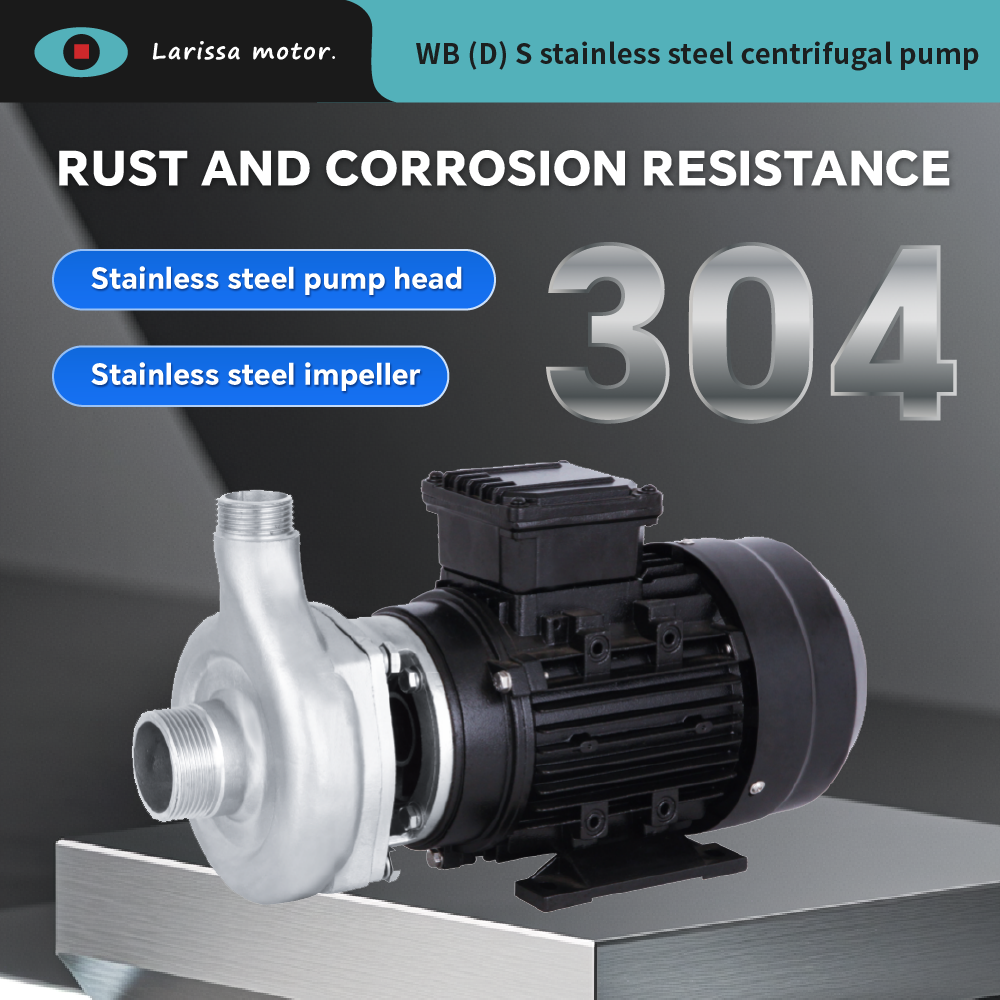
Choosing the right  vertical pump centrifugal system requires a thorough understanding of your specific application and operational requirements.  Begin by considering the fluid type that will be pumped—its viscosity, temperature, and any chemical properties that might  affect pump material selection. For instance, corrosive liquids may necessitate pumps  made from specialized materials like stainless steel or plastic composites to enhance durability.

Next, evaluate the required flow rate and total dynamic head (TDH)  for your  application. The flow rate,  measured in gallons per minute (GPM) or liters per second (L/s), indicates how much  fluid you need  to move, while TDH represents the height your pump  must overcome.  These specifications will guide you  in selecting a pump with the  appropriate size and capacity.

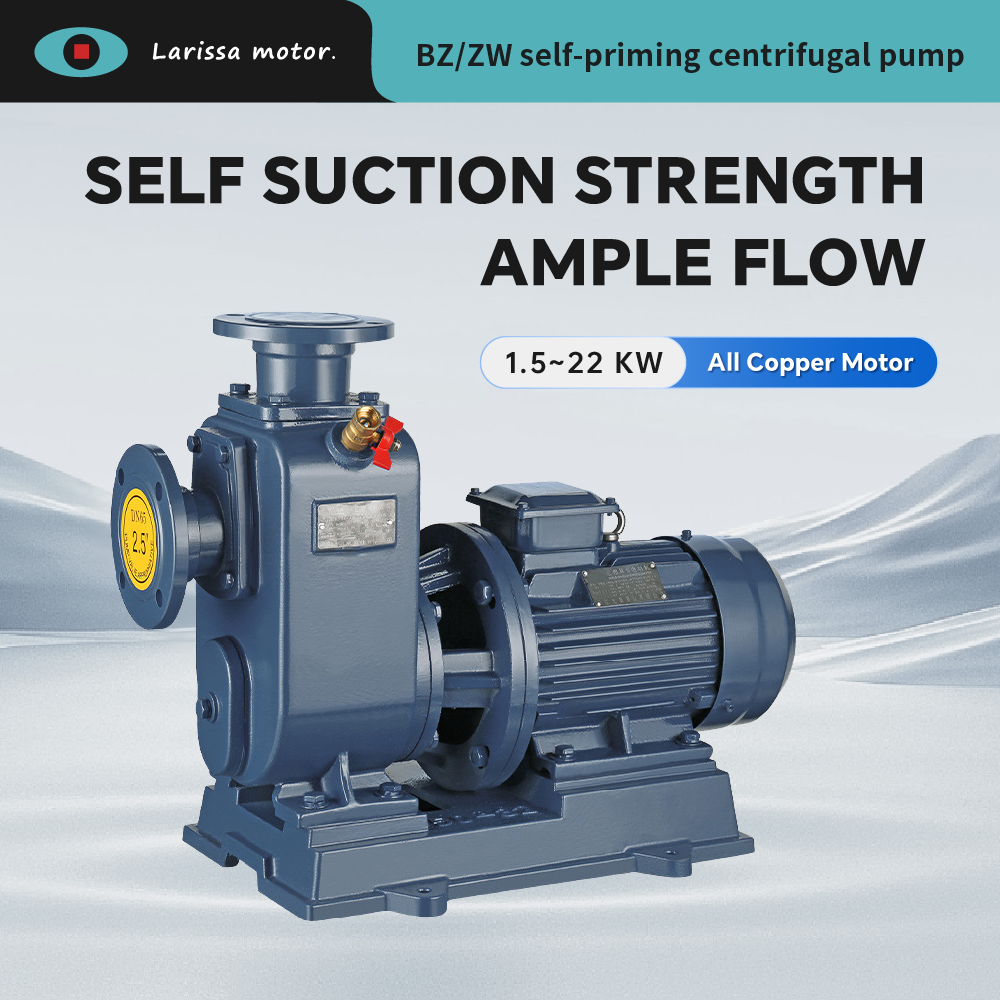
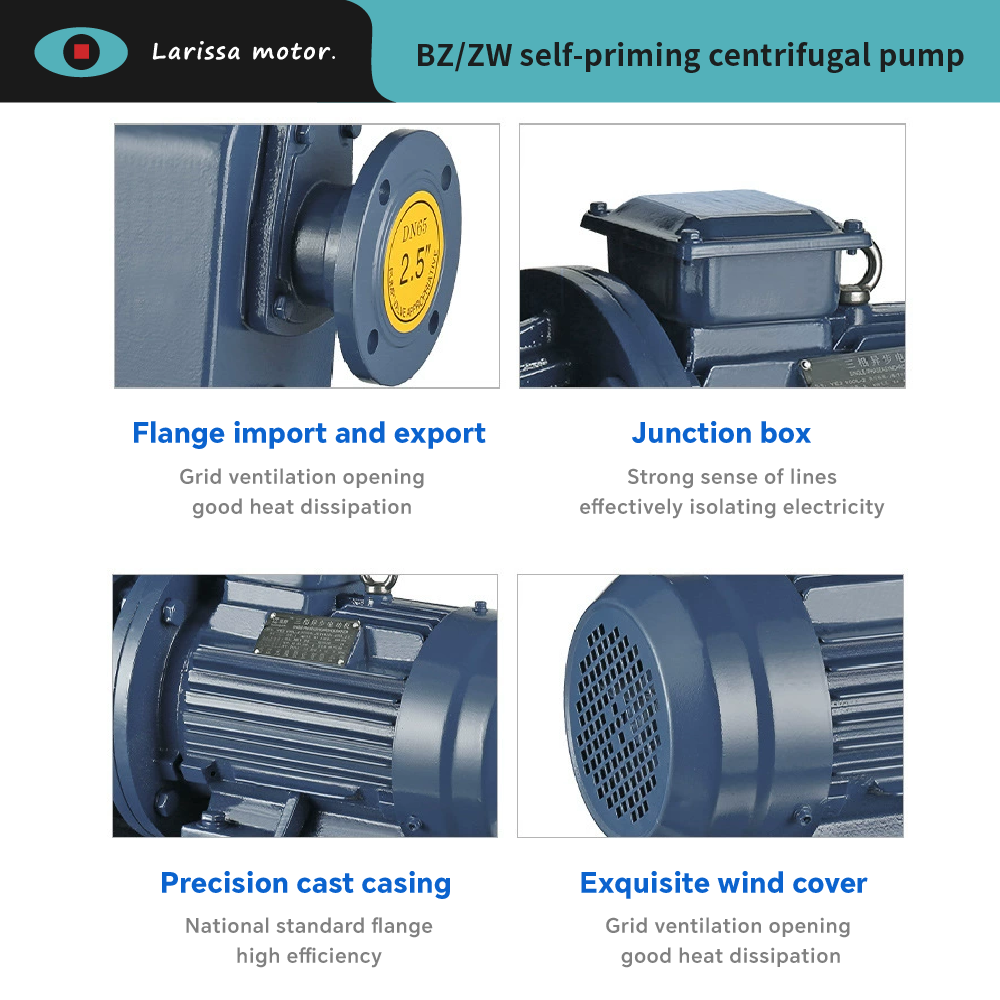
Lastly, consider customization  options. Many manufacturers, like Larissa Motor, offer tailored solutions to meet specific project needs, which  can  include  adjustments to dimensions,  materials, or performance characteristics. Always discuss your requirements  with your supplier to ensure the selected pump aligns with your operational goals. For example, if you need a sewage solution, consider the ZW Self-priming Centrifugal Sewage Pump High-Efficiency Non-Clogging Sewage Water Pump for Municipal & Industrial Wastewater.


Get a Professional Sourcing Quote

Our pump experts will review your request and reply within 12 hours.
Choose Your Needs Optional Business Type
Customization Requirements Optional
Email
Name
Company Name & Website
Message
0/1000

Related product categories