Choosing the Right Water Pressure Booster for Projects

Get a Professional Sourcing Quote

Our pump experts will review your request and reply within 12 hours.
Choose Your Needs Optional Business Type
Customization Requirements Optional
Email
Name
Company Name & Website
Message
0/1000

water pressure booster

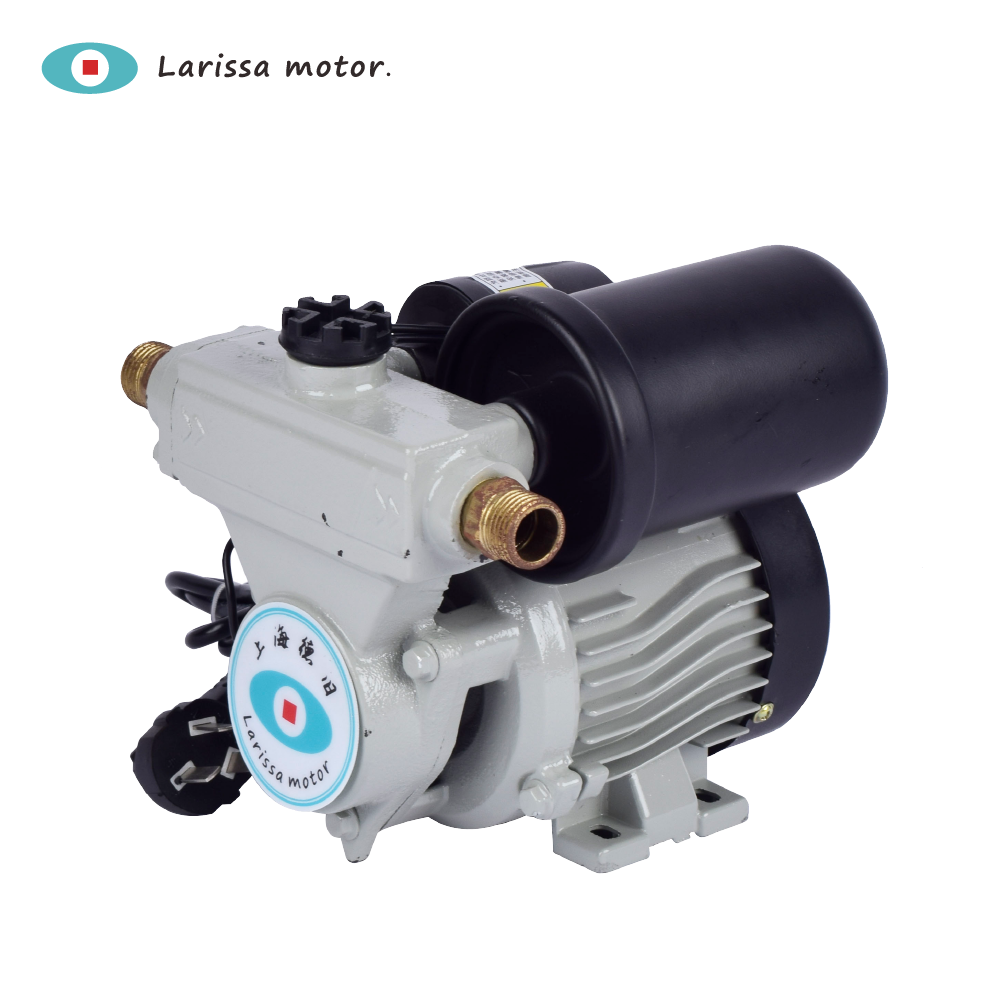
Understanding the role of a water pressure booster is essential for ensuring  optimal water flow  and  pressure  in various applications.  Water pressure  boosters  are critical devices that  enhance  water pressure in systems where it is insufficient. B2B buyers, such as  purchasing managers, engineers, and product managers, often face  concerns  regarding  performance,  reliability, customization options, and compliance with international standards. This  article  provides  valuable insights into selecting the right water pressure booster, evaluating  key specifications, assessing quality for bulk orders,  understanding material choices, and addressing common challenges associated with  these products.
Key Specifications to Consider for Water Pressure Boosters

Key Specifications to Consider for Water Pressure Boosters

When evaluating water pressure  boosters, several key specifications are crucial:

Pressure Rating: This indicates  the maximum  pressure the booster can handle. Ensure it aligns with your system's requirements to avoid damage or inefficiency. Flow Rate: Measured in gallons per minute  (GPM) or liters per minute (LPM), this  determines how much  water the  booster can move. Assess your project's demands to select an appropriate flow rate. Motor Power:  The motor's horsepower (HP) affects the pump's efficiency and capacity. Higher horsepower  typically translates to better performance  but may also lead  to increased energy costs. Dimensions and Weight: These  specifications impact installation and  integration  into existing systems. Ensure the selected booster fits within your  available space without compromising  performance.

Understanding  these specifications enables buyers to  make informed decisions that optimize system  performance while adhering to  budget constraints.
Evaluating the Quality of Water Pressure Boosters for Bulk Orders

Evaluating the Quality of Water Pressure Boosters for Bulk Orders

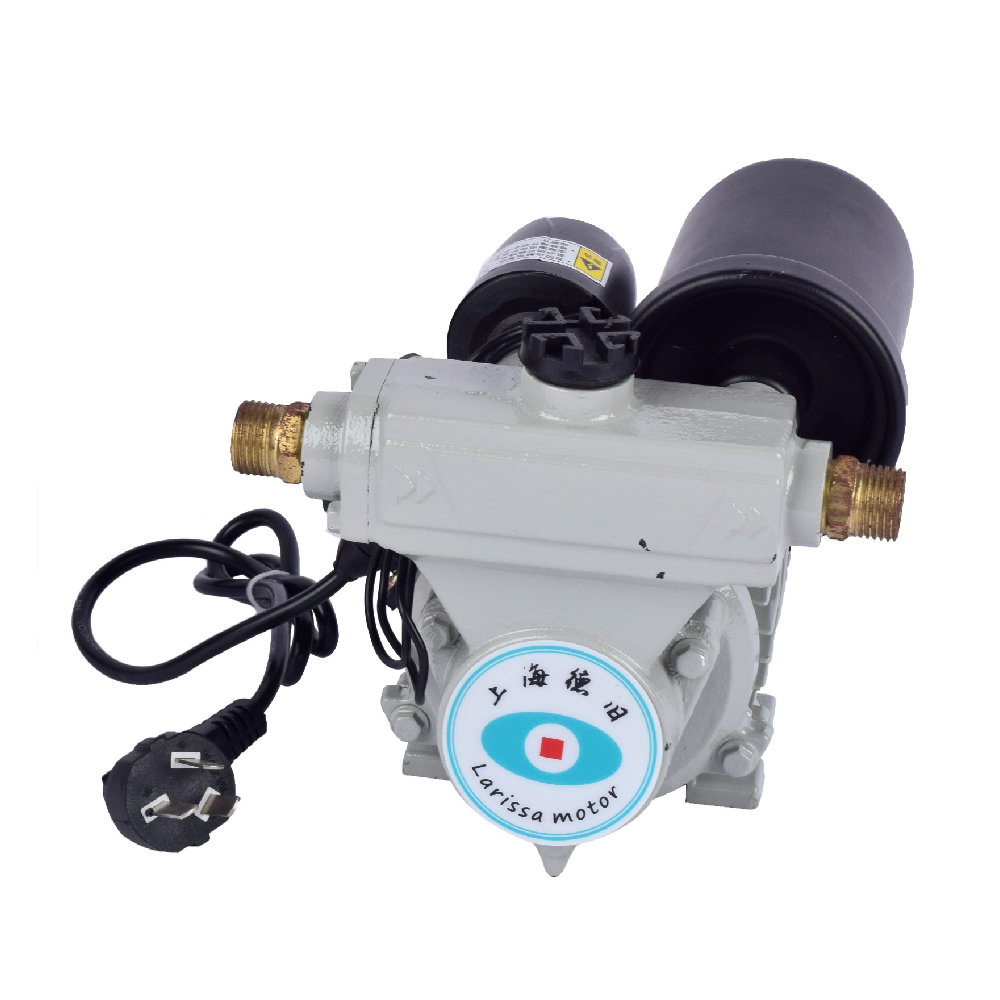
Quality assurance is paramount when purchasing water pressure boosters,  particularly in  bulk. Buyers should prioritize  manufacturers with robust quality  control processes,  ensuring that products consistently meet  international standards. Larissa Motor's in-house development and  manufacturing processes  exemplify a commitment to quality, significantly reducing the risk of defects and enhancing reliability.


Buyers should  also request detailed documentation on  testing procedures, including  performance  evaluations and  compliance certifications. Before placing bulk orders, it's advisable to  obtain samples to evaluate performance under actual operating conditions. Conducting this  evaluation  helps confirm that the  boosters  meet both performance expectations and durability  requirements.

How Material Choices Impact Water Pressure Booster Performance

How Material Choices Impact Water Pressure Booster Performance

The  materials used in water pressure boosters significantly influence their performance and longevity. Common materials include stainless steel, cast  iron, and high-grade plastics, each offering unique  benefits:

Stainless Steel: Known  for its resistance to corrosion, stainless steel is ideal for applications involving water with varying chemical compositions. It also provides durability  in high-pressure environments. Cast Iron: While heavier, cast  iron offers excellent strength and stability, making it suitable for larger, stationary  installations. However, it may require protective coatings to prevent rust  in moist environments.  High-Grade Plastics: Lightweight and  resistant  to corrosion, plastics  can be advantageous in smaller or  portable  applications. However, they may have limitations in high-pressure scenarios.

Selecting  the appropriate material  involves balancing performance needs with environmental factors, ensuring  the booster operates effectively  throughout its  lifecycle.


Solutions to Common Problems with Water Pressure Boosters

Common challenges  related to water pressure boosters include inadequate pressure,  noise, and operational failures. Understanding these issues can help buyers take preventive measures:

Inadequate Pressure: This often occurs when the booster  is undersized for the application.  Buyers should re-evaluate flow rate and pressure requirements to ensure the selected booster can meet demands effectively.

Noise Levels: Excessive noise can be a concern, especially in residential installations. Selecting a model with noise-reduction features or variable speed options can mitigate this issue.

Operational  Failures: Regular maintenance is crucial. Buyers should ensure that their chosen manufacturer provides  guidance  on maintenance schedules and troubleshooting techniques to minimize downtime.


Pump Cycling: Frequent on-off cycling may indicate improper sizing or system design. This can lead to premature wear.  Consulting with a knowledgeable supplier like Larissa Motor can help buyers optimize their system design.

By proactively addressing these common issues, buyers can enhance the reliability  and  efficiency of their water pressure booster systems, ultimately  leading to improved operational performance and reduced costs. Additionally, incorporating solutions such as Solar Pumping Systems can further enhance system efficiency.

In summary,  understanding the intricacies of selecting, evaluating,  and  maintaining water pressure boosters is essential for B2B buyers. By focusing on  key specifications, quality assurance, material choices, and common operational challenges, purchasing managers and engineers can  ensure  they make  informed  decisions that align with their project's needs.

Choosing the Right Water Pressure Booster for Your Project Needs

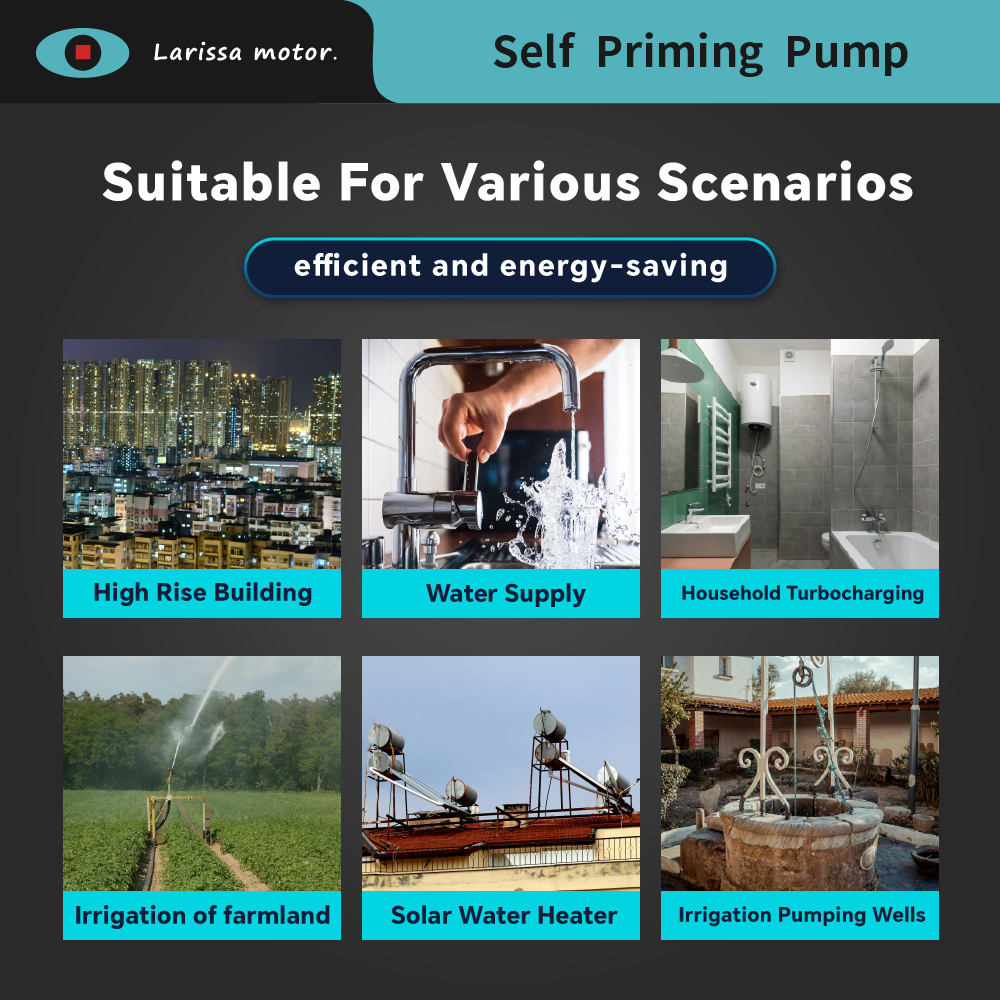
Selecting the appropriate water pressure booster involves  understanding  the specific requirements of your  application. Factors such as the  desired pressure increase, flow rate, and system  compatibility should guide  your choice. For instance, if  your project involves residential water  supply, a compact booster might suffice, while larger industrial applications may require high-capacity  units. For such industrial needs, exploring options like Industrial Water Pumps can be beneficial.

Buyers should also consider the type of system where the booster will be installed. Variable speed pumps  can offer energy efficiency by adjusting  motor speed based on demand, while fixed-speed pumps  provide a more straightforward solution for  consistent pressure requirements. Customization options, such as  tank  size and pump configuration, are critical to meeting unique project specifications.  Engaging  with a manufacturer like Larissa Motor, known for its advanced  design and customization capabilities, can ensure the selected booster  aligns with your operational needs.


Get a Professional Sourcing Quote

Our pump experts will review your request and reply within 12 hours.
Choose Your Needs Optional Business Type
Customization Requirements Optional
Email
Name
Company Name & Website
Message
0/1000

Related product categories