EN
EN
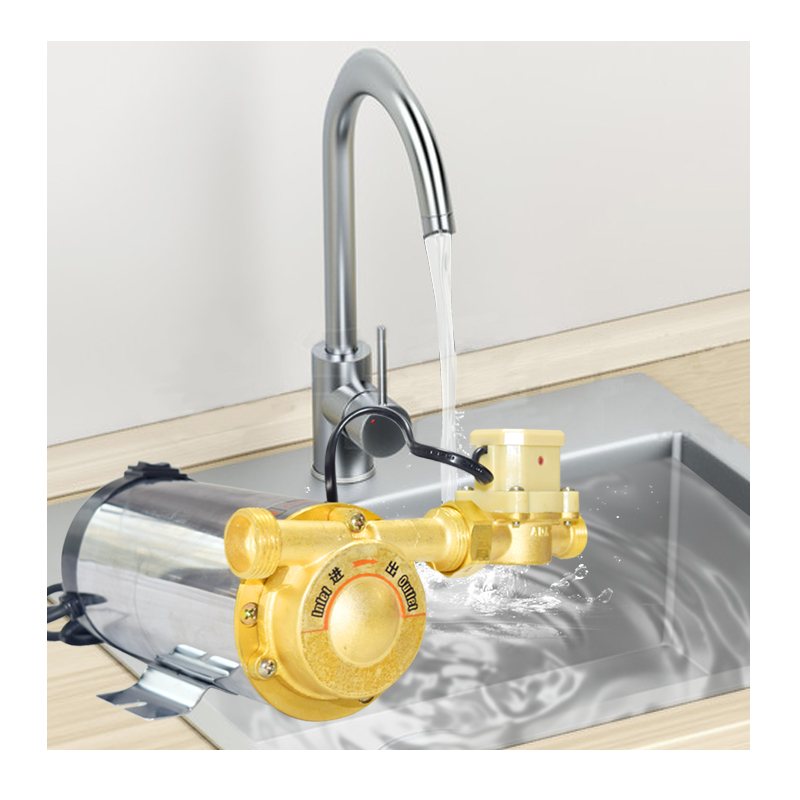
Selecting the right pressure pump is crucial for ensuring efficiency and reliability in various industrial applications. Pressure pumps are designed to move fluids through a system, creating pressure for processes such as spraying, flushing, or circulating. For B2B buyers, understanding the intricacies of pressure pumps—including specifications, suitability for applications, and installation requirements—is essential. This article will guide you through the key factors to consider when choosing a pressure pump, ensuring you make informed purchasing decisions.
What Buyers Should Know
As a buyer, understanding the specifications of pressure pumps is vital. Key specifications include:
Power Source: Determine whether you need an electric, diesel, or pneumatic pump based on your facility's capabilities and requirements. Material Construction: Common materials include plastic, cast iron, and stainless steel. Each material has unique benefits; for example, stainless steel provides corrosion resistance, making it suitable for chemical applications. Pump Type: There are various types of pressure pumps, including centrifugal, diaphragm, and gear pumps. Each type has its advantages based on the application. For instance, diaphragm pumps are excellent for handling slurries and viscous fluids, while centrifugal pumps are typically used for clear liquids.Understanding these specifications helps in evaluating different models and determining which best meets your operational needs.