Home Water Pump Motors: Specifications & Sourcing Guide

Get a Professional Sourcing Quote

Our pump experts will review your request and reply within 12 hours.
Choose Your Needs Optional Business Type
Customization Requirements Optional
Email
Name
Company Name & Website
Message
0/1000

home water pump motor

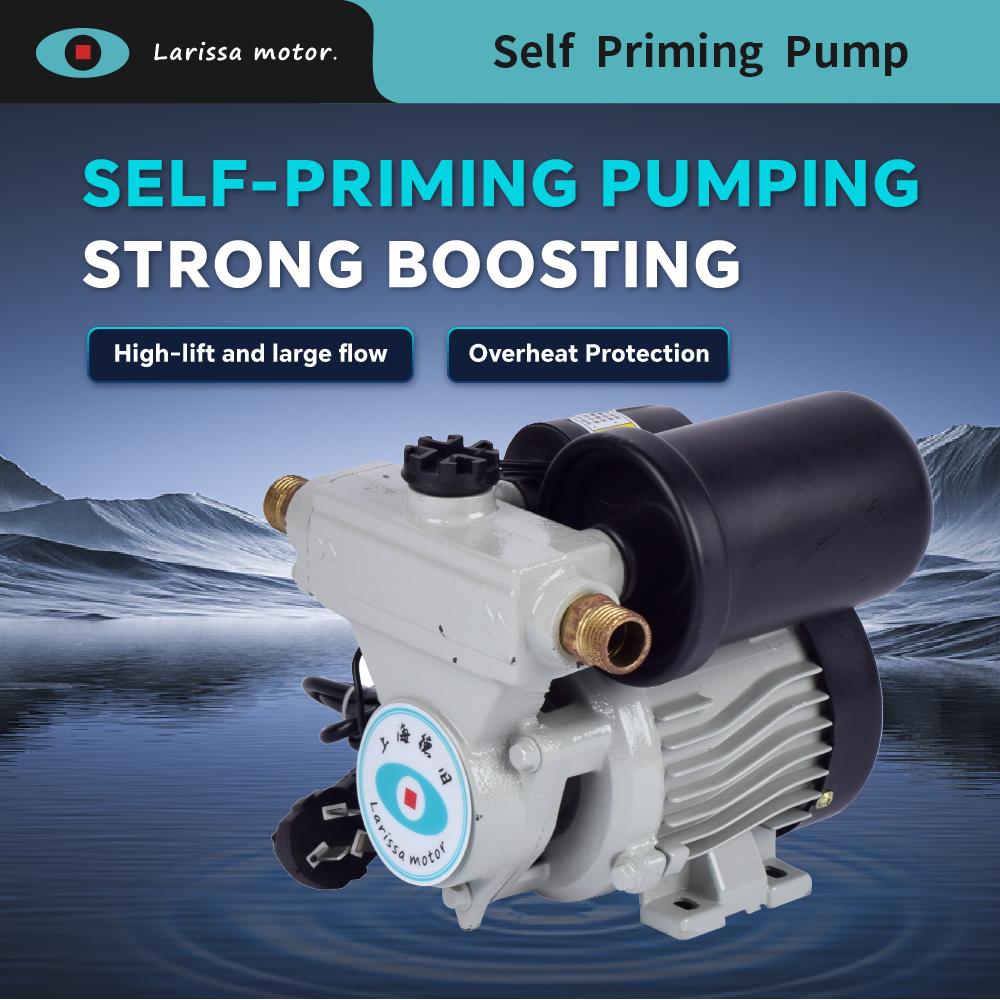
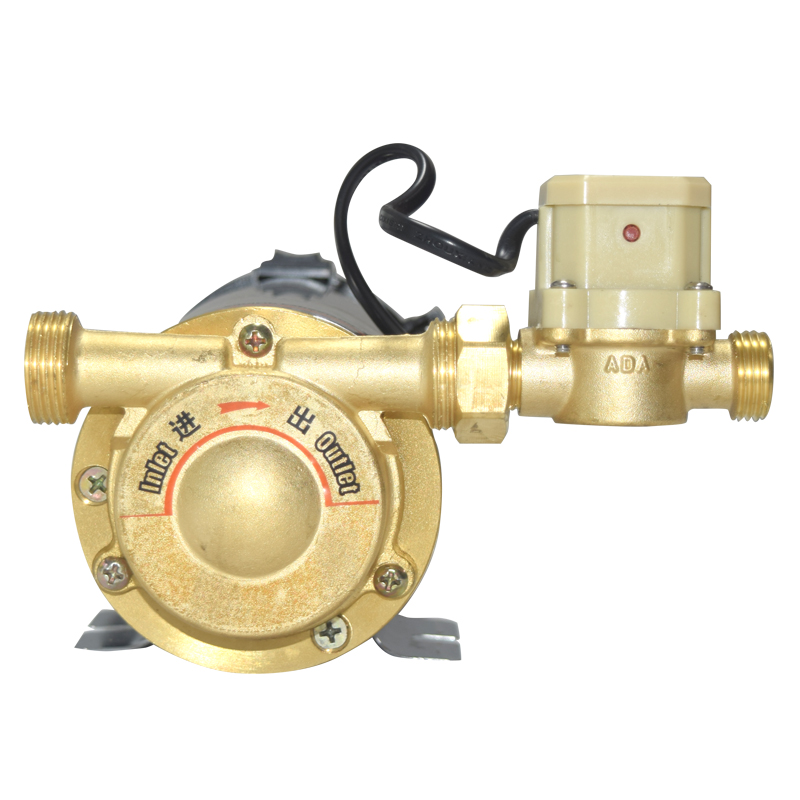
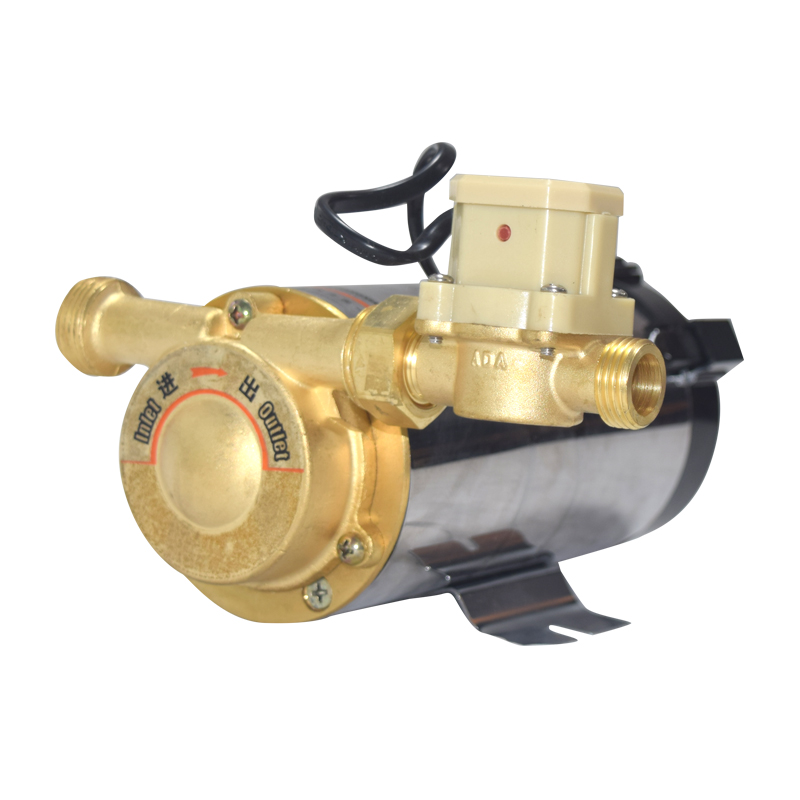
Understanding home water pump motors is essential for businesses  seeking reliable  and efficient solutions  for water movement in residential  and industrial applications.  The primary keyword, "home  water pump motor," refers to electromechanical  devices designed to move water from one location to another, often  used in various  settings such as homes, gardens, and small commercial operations. B2B buyers, including  purchasing managers and engineers, typically  focus on specifications, performance, cost, and  reliability. This article  aims to provide  insights into  selecting the  right home water  pump  motor, common issues, and  their applications across  industries.
Where to Source Reliable Home Water Pump Motors for Bulk Orders

Where to Source Reliable Home Water Pump Motors for Bulk Orders

Sourcing high-quality home water pump motors for bulk orders involves evaluating suppliers on several factors:

Reputation and Experience: Look for manufacturers with a proven track record in producing electromechanical products. Companies  like Larissa Motor, established in 1998, often have the experience  and  expertise necessary to deliver reliable products that meet international standards.

Customization Capabilities: Many suppliers offer customization options to meet specific buyer requirements. This can include  variations  in power ratings, materials, and designs tailored to specific applications. For instance, those interested can explore Solar Pumping Systems that may offer unique customization for agricultural needs.

Certifications:  Ensure the supplier holds relevant certifications that demonstrate compliance with  industry standards. This not only assures  quality but also indicates a commitment to maintaining  high manufacturing practices.

Quality Control Processes: Investigate the supplier's quality  assurance measures. Companies  that implement rigorous testing and  inspection processes help mitigate risks associated with product  failures.

Lead Time and MOQ: Inquire about  minimum  order quantities (MOQ) and lead times for production and delivery. Reliable suppliers  will provide  transparent information regarding  their production capabilities and timelines.

By focusing on these key areas, buyers can identify trustworthy sources for home water pump motors that align with  their bulk purchasing needs.
 
Cost Factors to Consider When Purchasing Home Water Pump Motors

Cost Factors to Consider When Purchasing Home Water Pump Motors

Several cost factors impact the total expenditure associated with purchasing home water pump motors:

Initial Purchase Price:  The upfront cost of the motor is the most obvious  factor. However, it’s important to balance this with the motor's specifications and expected lifespan. A higher initial investment in a  quality motor may lead to lower maintenance costs over time.

Shipping  and Handling: For bulk orders, shipping costs can add significantly to the overall expenditure.  Buyers should consider logistics, including shipping methods and delivery times, to minimize  costs.

Installation Expenses: Depending  on  the complexity of the  installation, labor costs can vary. Ensure to factor in any additional  costs related to connecting the pump to existing systems  or  modifications needed for  installation.

Energy Efficiency:  Motors that consume less power can lead to substantial savings in energy bills over their operating life. Request efficiency ratings from suppliers to  compare long-term operational costs.

Maintenance and Repair: Consider the expected maintenance schedule and  any potential repair  costs. Opting for motors with readily available replacement parts can help reduce downtime and associated costs.

Understanding these cost factors enables buyers to develop a comprehensive budget, ensuring they account for all aspects  of the purchase and ownership of  home water pump  motors.

Common Problems with Home Water Pump Motors and Their Solutions

Common Problems with Home Water Pump Motors and Their Solutions

Home  water pump motors may encounter various issues that affect performance. Recognizing these problems  and their solutions can help buyers mitigate  risks:

Overheating: This  can occur due to prolonged operation, insufficient cooling,  or low voltage. Regular checks on the  power supply and ensuring proper airflow around the  motor can prevent overheating. Installing thermal protection devices may also help.

Cavitation: A phenomenon where vapor bubbles form in the liquid and collapse violently, causing damage to the pump. Ensuring the pump operates within its specified flow  rate and head pressure can minimize the risk of cavitation.

Motor  Failure: This could  result from electrical issues or mechanical  wear. Implementing regular maintenance schedules that  include  inspections and lubrication can significantly reduce the likelihood of motor failure.

Noise and Vibration: Excessive noise may indicate misalignment, worn bearings, or imbalance. Addressing these issues quickly through routine checks can prolong  motor life and enhance performance.

Seal Failures: Leaks due to worn seals can  lead to water damage and inefficiency. Regular inspections  of seals and prompt replacements are essential for maintaining operational integrity.

By understanding  these common issues,  buyers can implement preventative  measures and ensure their home  water pump motors remain functional and efficient.

Exploring Applications of Home Water Pump Motors in Various Industries

Home water  pump motors serve diverse  applications across  multiple industries. Understanding these applications  can help buyers identify  the best solutions for their needs:

Residential Use: In homes, these motors are commonly used  for irrigation systems, swimming pools, and water supply systems. They ensure consistent water  pressure and flow for everyday needs.

Agriculture: Farmers utilize home water  pump motors for irrigation, livestock watering, and drainage. The ability to customize motors for specific agricultural applications can enhance productivity and resource management. For example, Agricultural Water Pumps play a crucial role in effective irrigation.

Construction: On construction sites, water pump motors are  essential  for dewatering trenches and excavations. Their reliability in removing excess water ensures project timelines are maintained.

Manufacturing: In industrial settings, these motors are used in cooling systems, material processing,  and water treatment facilities. Their efficiency and durability  are vital for maintaining production standards.

Commercial Applications:  Businesses  such as car  washes, laundries, and restaurants rely on home water pump motors for their  operations,  necessitating a focus on  reliability and energy efficiency.

By  recognizing the various applications of home water pump motors, buyers can select products that  best meet the specific demands of their industry, ensuring optimal performance and efficiency.

Understanding Home Water Pump Motor Specifications for Wholesale Buyers

When purchasing home water pump motors, buyers should familiarize themselves with critical specifications that influence performance and suitability for specific applications. Key specifications include:

Power  Rating: Measured in horsepower (HP) or watts (W), this value indicates how much energy  the motor can convert into  mechanical  power. A higher power rating often  translates to greater flow rates and the  ability to handle larger volumes of water.

Flow Rate: Expressed  in gallons per  minute (GPM) or liters per minute  (LPM), this measurement indicates how much water the  pump can move within a specified time frame. Buyers should match flow rate requirements with the intended application to ensure efficiency.

Head Pressure: This specification measures the vertical lift the pump can achieve.  It's crucial for applications where water must be moved to a higher elevation. Understanding the required head pressure ensures the  motor can meet the demands of the installation site.

Material Composition: The materials used in the motor and pump housing affect  durability and resistance  to corrosion. Common materials  include  stainless steel and thermoplastics, which are chosen based on environmental conditions and water quality.

Voltage and Phase: Home water pump motors typically operate on single-phase or  three-phase power. Buyers should verify the electrical compatibility with their existing systems to avoid operational issues.

Understanding these specifications  allows buyers to  make informed decisions, ensuring  the selected home water pump motor meets their operational needs.

Get a Professional Sourcing Quote

Our pump experts will review your request and reply within 12 hours.
Choose Your Needs Optional Business Type
Customization Requirements Optional
Email
Name
Company Name & Website
Message
0/1000

Related product categories