Reliable Pond Fountain Pumps for Bulk Orders

Get a Professional Sourcing Quote

Our pump experts will review your request and reply within 12 hours.
Choose Your Needs Optional Business Type
Customization Requirements Optional
Email
Name
Company Name & Website
Message
0/1000

pond fountain pump

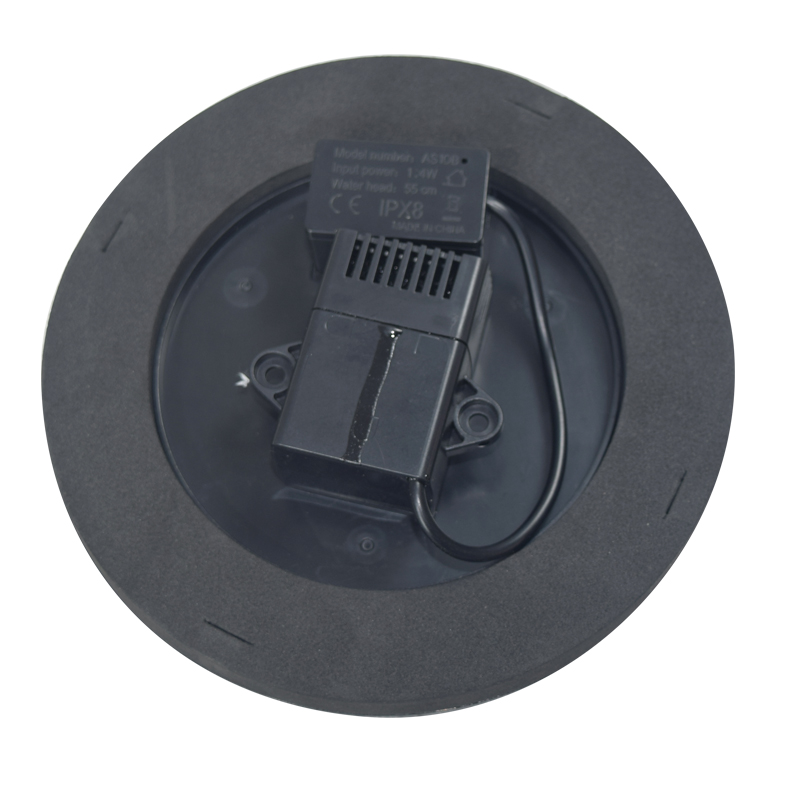
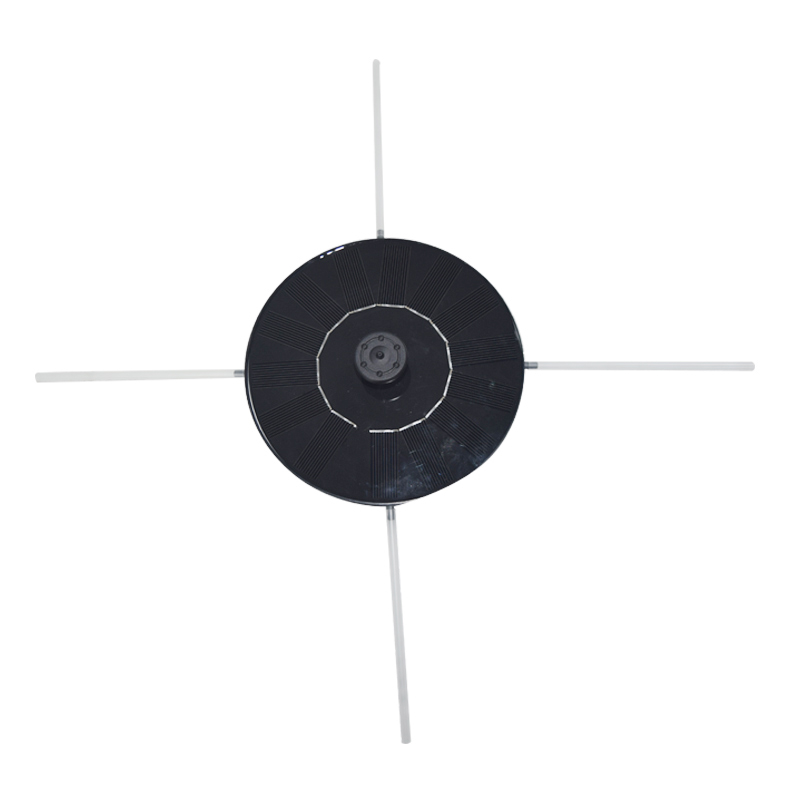
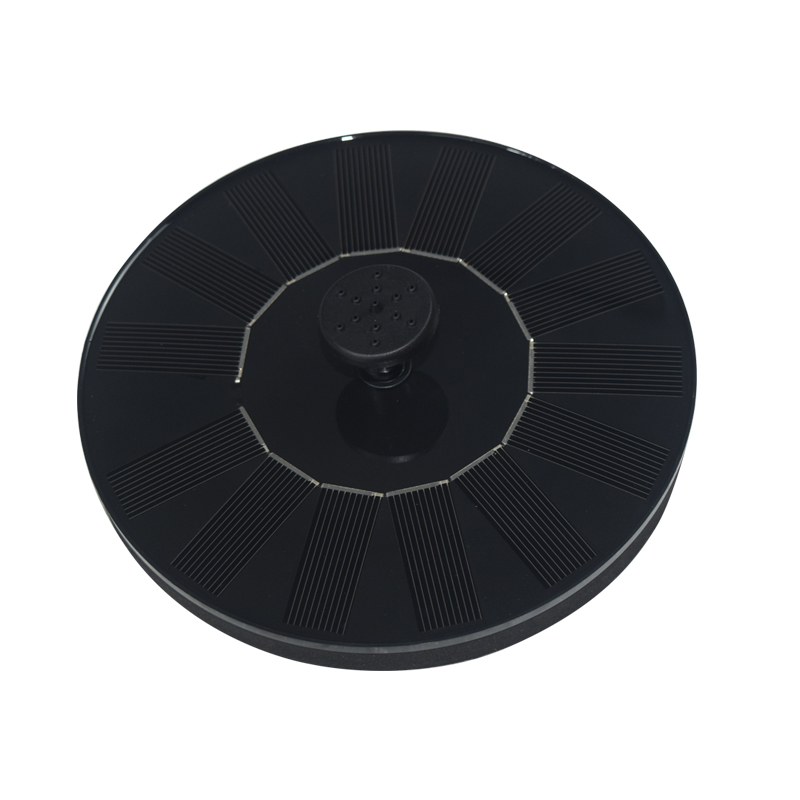
Pond fountain  pumps are essential  components  for creating aesthetic water features and  promoting healthy aquatic environments. For  B2B buyers, such as purchasing managers,  distributors, and engineers, the quality and reliability of  these  pumps  are paramount.  This article will guide you through  evaluating pond fountain pumps, sourcing them for  bulk orders,  understanding key specifications, installation  guidance, and common issues along with  their solutions.  By the end, you'll  be better  equipped to make informed purchasing decisions  that meet your project's  needs.
Where to Source Reliable Pond Fountain Pumps for Bulk Orders

Where to Source Reliable Pond Fountain Pumps for Bulk Orders

Sourcing reliable pond fountain pumps requires careful consideration  of suppliers. Start by  identifying  manufacturers with a  proven track  record in the industry, such as Larissa Motor, which  has specialized in electromechanical products since 1998. Assess the  manufacturer's production capabilities, including in-house development and manufacturing  processes,  to ensure they can  meet  your bulk order requirements. You might also want to explore options for Industrial Water Pumps as they can often provide robust solutions for large-scale projects.

Request references or case studies from other businesses that have sourced from the supplier. This can provide insight into the supplier's reliability and quality. Also, confirm their ability  to customize products to meet specific  project  needs, as  customization  can be a vital factor in achieving desired  outcomes.


Finally,  consider the supplier’s lead times and minimum order quantity (MOQ). A reputable supplier will provide clear information on these aspects, helping you  plan your procurement efficiently.
Key Specifications to Compare in Pond Fountain Pumps for Contractors

Key Specifications to Compare in Pond Fountain Pumps for Contractors

When comparing pond fountain pumps, several key  specifications will help  contractors make informed  decisions. First, examine  the  motor type; submersible motors are common for pond applications due to their efficiency and  ease of installation.

Next, assess  power consumption. A  pump that uses  less energy while providing adequate flow can lead to cost  savings over  time. The wattage required to operate  the pump should be  compared against the  expected energy costs to ensure it  aligns with budget constraints.

Also,  consider the design  of the impeller. A well-designed impeller improves water flow  efficiency, which enhances the overall performance of the fountain pump. Factors like the number of impeller blades and their shape can significantly impact  water movement and energy efficiency.

Lastly, evaluate the warranty and  support services offered by the manufacturer. A longer warranty period can indicate confidence in the product's durability, while responsive customer support can be invaluable if issues arise post-purchase.

Installation Guidance for Efficient Pond Fountain Pump Setup

Installation Guidance for Efficient Pond Fountain Pump Setup

Proper installation  of pond fountain pumps is crucial for optimal performance and longevity. Before installation,  ensure that the  pump is compatible with the specific fountain design and pond size. Take into account  the required  depth for submersion to prevent  cavitation, which can damage the pump.

During installation, carefully follow  the manufacturer's guidelines. Place the pump on a  stable surface to prevent movement and ensure the intake is free from debris to avoid clogs.  A  pre-filter can be beneficial to reduce  the risk of contaminants entering the  pump.

Once installed, perform a  test run to check for any  vibrations or unusual noises, which may indicate misalignment or other issues. Regular maintenance checks,  such as cleaning the pump and inspecting for wear, will help  prevent common problems  and extend  the pump's  lifespan.


Common Problems with Pond Fountain Pumps and Their Solutions

Pond fountain pumps can encounter several  issues over time, and understanding these problems can help buyers address them effectively. One common issue is reduced water flow, often  caused by blockages in the intake or impeller. Regular cleaning of these components is essential to maintain optimal performance.

Another  frequent problem is overheating. This can occur  if the pump runs dry or is not adequately submerged. To avoid this, ensure  the pump’s operational depth is  maintained and check the water levels regularly, especially during  hot weather.

Electrical issues, such as tripped breakers or  damaged cords, can  also arise. Inspect the electrical  connections and ensure the  pump is properly grounded. If electrical  problems persist, it may  be necessary  to consult a professional electrician.

Finally, noise  issues can indicate wear on bearings or  misalignment. If the  pump is noisy, inspect it for alignment and listen for any  unusual sounds that could signal  the need for maintenance or replacement.


By understanding these common issues and their solutions, buyers can take proactive measures to ensure their pond fountain pumps operate smoothly and efficiently.

How to Evaluate the Quality of Pond Fountain Pumps for Your Projects

When assessing the quality of pond fountain pumps, buyers should focus  on several  key factors.  First, consider the  materials used in construction. High-quality pumps are typically made  from corrosion-resistant materials such as stainless steel  or reinforced plastics to withstand prolonged exposure to  water and outdoor conditions.

Next, evaluate the pump's  performance specifications, including flow rate and head height.  The  flow rate, measured in gallons per  minute (GPM),  indicates how much water  the pump can move, while head height refers to the maximum vertical distance the  pump  can lift water. These specifications should align with  your project requirements to ensure optimal functionality.  Additionally, consider looking into Solar Pumping Systems for alternative energy solutions.

Additionally, look for certifications that confirm the pump meets international quality standards, which can be crucial for projects in regions  like Europe. Quality control processes during  manufacturing, such as regular  testing and inspections, can  also provide assurance of reliability.

Get a Professional Sourcing Quote

Our pump experts will review your request and reply within 12 hours.
Choose Your Needs Optional Business Type
Customization Requirements Optional
Email
Name
Company Name & Website
Message
0/1000

Related product categories