 EN
EN
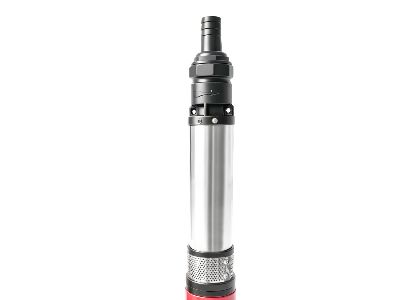
Solar pumps are specialized devices designed to harness solar energy for water pumping applications, particularly in remote areas where traditional power sources are unavailable. Understanding how solar pump factories build these pumps for remote water systems is crucial for purchasing managers, engineers, and project managers seeking reliable and efficient water solutions. This article will explore the manufacturing processes, quality standards, and application suitability of solar pumps, helping you make informed decisions for your projects.
How Solar Pumps Enhance Remote Water System Efficiency?
Solar pumps enhance the efficiency of remote water systems by utilizing renewable energy, reducing reliance on diesel or grid power. By leveraging solar panels, these solar pump for water feature can operate in isolated areas, providing a continuous water supply for agricultural, residential, or industrial applications. The efficiency is largely determined by the pump's motor type, which may include brushless DC motors, known for their durability and energy efficiency.
Additionally, solar pumps come with built-in controllers that optimize performance by adjusting the pump speed according to solar intensity. This feature ensures that water is available even during periods of low sunlight, thus maximizing resource utilization. Factors to consider when assessing efficiency include the pump's flow rate, head height, and its compatibility with solar panel output.
Choosing the Right Solar Pump for Your Project Needs
Selecting the appropriate solar pump involves understanding your project’s specific requirements, including the expected flow rate, total dynamic head, and the type of water source. Larissa Motor, with its extensive experience in manufacturing electromechanical products, can provide guidance on these factors.
First, calculate the required flow rate based on your application whether for irrigation, livestock watering, or potable water supply. Next, evaluate the total dynamic head, which includes the vertical lift and friction losses in pipes. This data will help determine the power rating of the pump you need.
Customization options are also essential to consider. Many manufacturers, including Larissa Motor, offer tailored products to meet unique specifications, such as varying motor sizes or automatic watering pump materials that withstand specific environmental conditions.
Evaluating Solar Pump Quality Standards
When purchasing solar pumps, quality standards are paramount. Key certification marks to look for include ISO and CE certifications, which indicate adherence to international safety and performance standards.
Quality inspection processes should include tests for material durability, motor performance, and component reliability. For instance, the pump casing often utilizes corrosion-resistant materials, while seals and fittings should be tested for pressure and temperature variations.
Moreover, request detailed documentation of the manufacturing process and quality control measures employed by the supplier. Understanding the factory's capabilities can help ensure that the pumps meet your project’s operational demands and longevity expectations.
Cost Factors for Wholesale Solar Pump Purchases
The cost of solar pumps can vary significantly based on several factors, including pump specifications, materials, and manufacturing processes. Generally, high-quality materials and advanced engineering will incur higher initial costs, but these can lead to lower operational costs and longer lifespans.
When evaluating pricing, consider the following elements:
Material Selection: Pumps made from high-grade stainless steel or reinforced plastics may cost more but offer better durability and efficiency.
Production Volume: Wholesale orders can often attract discounts. However, consider the minimum order quantities (MOQ) set by manufacturers, which can influence overall costs.
Shipping and Logistics: Transportation costs, especially for larger pumps or custom orders, should be factored into your total investment.
Maintenance and Operation Costs: A lower upfront cost may not represent the total cost of ownership. Evaluate the expected maintenance needs and energy consumption over the pump's life cycle.
Applications of Solar Pumps in Diverse Environments
Solar pumps are incredibly versatile and can be effectively utilized in various environments, ranging from agricultural fields to remote communities. In agriculture, they are used for irrigation, enhancing crop yields while reducing dependency on traditional energy sources.
In rural areas, solar pumps provide essential water supply for drinking and sanitation, demonstrating their role in improving health and living conditions. Additionally, industries such as mining and construction utilize solar pumps for dewatering, where access to electricity can be limited.
To maximize performance in diverse applications, it’s essential to consider factors such as ambient temperature, water salinity, and potential exposure to contaminants. Discuss these conditions with your manufacturer to ensure that the chosen pump will withstand specific environmental challenges.
By understanding how solar pump factories build pumps for remote water systems, you can make strategic purchasing decisions that align with your operational needs and sustainability goals. Larissa Motor stands ready to support your projects with advanced design, customization options, and a commitment to quality, ensuring that your solar pump solutions are both effective and reliable.