Essential Guide to Irrigation and Pumps

Get a Professional Sourcing Quote

Our pump experts will review your request and reply within 12 hours.
Choose Your Needs Optional Business Type
Customization Requirements Optional
Email
Name
Company Name & Website
Message
0/1000

irrigation and pumps

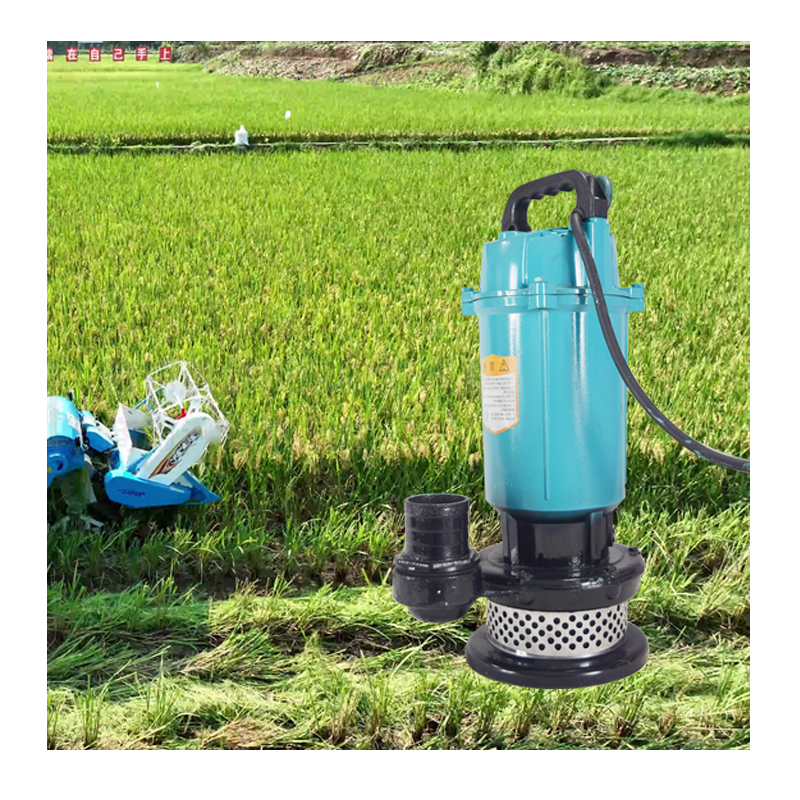
Irrigation and pumps  are crucial  components in agricultural and commercial applications, ensuring efficient  water  distribution for crops  and landscapes. As a purchasing  manager or product distributor, understanding the  quality,  installation,  and performance of  these  systems  is essential. This article  will  provide valuable insights into  evaluating  irrigation and pump products, installation best practices, comparisons of various pump types,  material advantages, and  wholesale purchasing tips to help you make  informed  decisions.
Installation Guidance for Efficient Irrigation Pump Systems

Installation Guidance for Efficient Irrigation Pump Systems

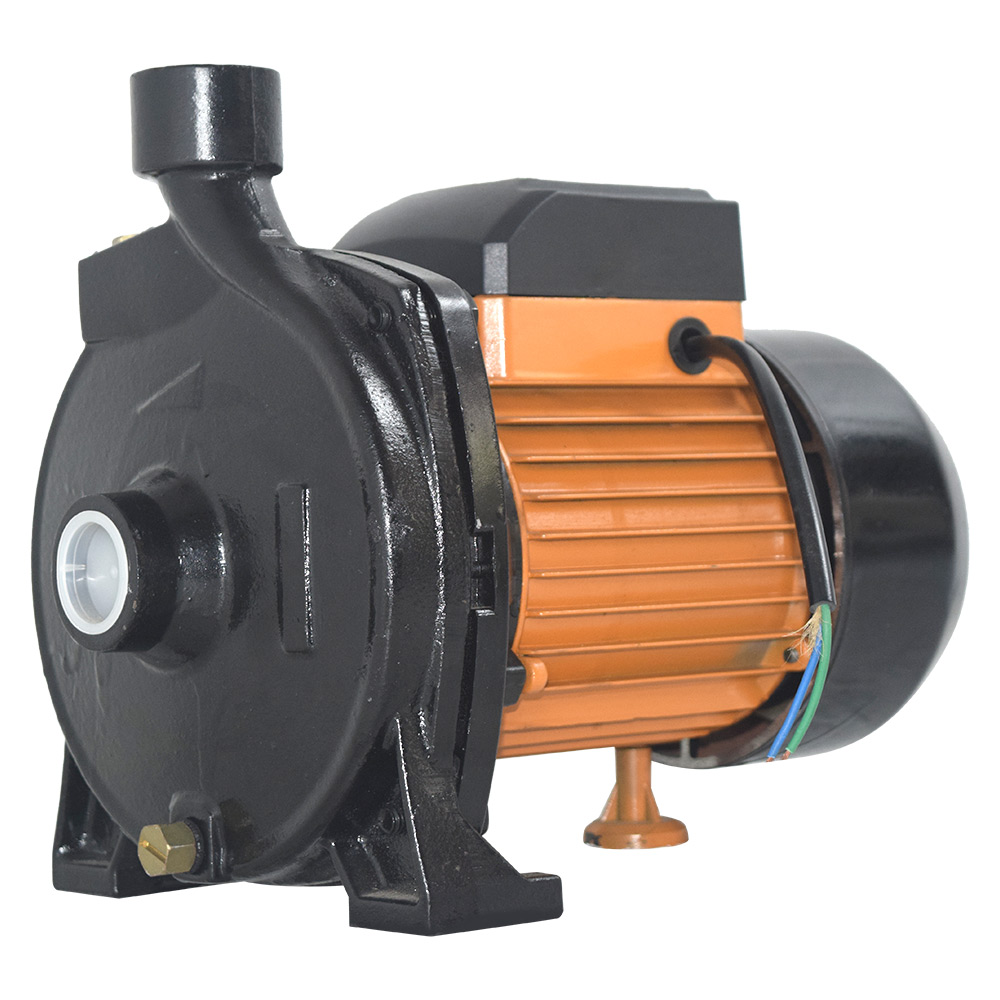
Proper installation of irrigation  pump systems  is vital for achieving optimal performance.  Start by ensuring that the pump is suited for the specific application, considering factors like flow rate, pressure requirements, and the total dynamic head of the  system. An incorrectly  sized pump  can  lead  to  inefficiencies, increased energy costs, and premature  wear.

During  installation, attention should be paid to the alignment of  the pump  and motor. Misalignment can cause vibration and excessive wear, leading to premature  failures. It’s advisable to use a flexible coupling to accommodate minor misalignments.

Additionally, consider the  piping layout  carefully. Minimize bends and fittings to reduce friction losses, which can impact the overall efficiency of the system. Employing  a qualified technician for installation can be beneficial,  as  they will ensure compliance with local regulations and standards,  further enhancing the system's reliability.
Comparing Different Pump Types for Irrigation Applications

Comparing Different Pump Types for Irrigation Applications

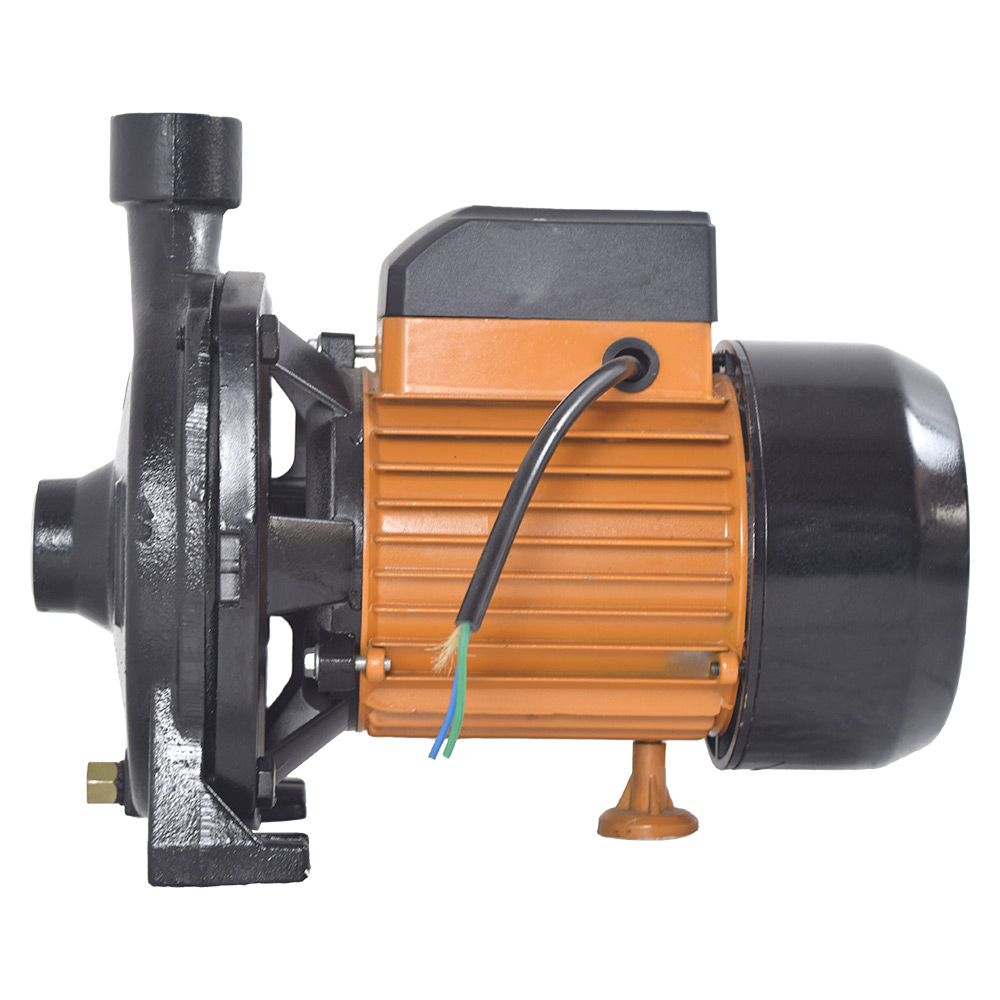
There are various types of pumps suitable  for  irrigation, each with  its advantages and specific applications. The most common types include centrifugal pumps, positive displacement pumps, and submersible pumps.

Centrifugal pumps are widely used due to their  ability to handle large volumes of water at relatively low  pressures. They are ideal  for applications where the  water source is above the pump, such as river or lake extraction. It’s important to  confirm the pump’s flow rate and head specifications to ensure they meet your irrigation needs. Consider options like the Horizontal Multistage Centrifugal Pump for High Pressure Water Supply Systems for higher efficiency.

Positive displacement pumps, on the other hand, are suitable  for applications requiring higher pressure and are often used for drip irrigation systems. They can deliver a consistent flow  despite variations in pressure, making them ideal for more  precise  irrigation needs.

Submersible pumps are effective for deep well applications, as they can operate submerged in water. When considering  submersible pumps, ensure  you check  the materials used  for  construction, as  they must withstand potential corrosive environments.

Each pump type has unique benefits, so evaluating them based  on your specific irrigation requirements will help you select the most appropriate option.

Understanding Material Advantages in High-Performance Pumps

Understanding Material Advantages in High-Performance Pumps

The materials used in the construction of irrigation pumps significantly affect their performance, durability, and suitability for various applications.  Common materials include stainless steel, cast iron, and thermoplastics, each offering  different  advantages.

Stainless steel pumps are known for their resistance to corrosion and high temperatures, making them suitable for harsh environments and applications involving acidic  or saline  water. This material is a good choice for long-term investments, as it typically requires less  maintenance.

Cast iron pumps, while durable, are generally  more susceptible  to corrosion unless  treated with protective  coatings. They are  often used  in situations where the pump  will be exposed to outdoor elements for extended periods.  

Thermoplastics offer lightweight and corrosion-resistant options that are suitable for less demanding applications.  They  are also less expensive than metal options, making them attractive for budget-conscious projects.

Choosing the right material involves  considering factors  such as the water  source, potential contaminants, and environmental conditions. Discussing these considerations with your  supplier can help ensure that the selected pump will meet your  operational needs.

Wholesale Purchasing Tips for Irrigation Equipment Buyers

When purchasing irrigation equipment wholesale, buyers should be prepared with specific  information to  facilitate  smooth transactions. Provide detailed specifications, including model numbers, dimensions, and  required materials.  Understanding the application and  performance requirements will help suppliers recommend the most appropriate  products for your needs.

Establishing a clear understanding  of minimum order quantities (MOQ) is  also  crucial, as this can  affect pricing and availability. Many manufacturers, including Larissa Motor, may have varying MOQs  based on product type and customization options.

Additionally,  inquire about lead  times, as delays can impact your project schedules.  Building a  relationship with  your supplier  will allow for better communication regarding timelines and  potential issues.

Lastly, always request samples for evaluation before  placing bulk orders. Testing samples under actual operating conditions can prevent costly mistakes and ensure that the products will perform as expected in your specific application.

How to Evaluate the Quality of Irrigation and Pump Products

When assessing  the quality of  irrigation and  pump products, several factors should be taken into account. First, look for certifications that indicate compliance with international standards, which can assure you of the product's safety and performance. Quality control processes during manufacturing are also critical. A  reputable manufacturer like Larissa  Motor, which has been  producing electromechanical products  since 1998,  often  employs rigorous testing protocols to  ensure each unit meets specified performance metrics.

Next, consider the materials used in the construction of  the pumps. High-quality pumps typically feature corrosion-resistant materials and robust seals to prevent  leakage and extend the product's lifespan. Request detailed specifications regarding the pump’s construction,  including material types and their respective performance characteristics, to ensure they match your application requirements. For instance, a DC CPM Centrifugal Water Pump for Solar Irrigation & Agricultural Water Transfer may be ideal for certain agricultural applications.

Finally, don’t overlook the importance of user reviews and case  studies, which can provide real-world insights into  the performance and reliability of the pumps  in  various environments. This  feedback can highlight potential issues or advantages that may not be evident from technical specifications alone.

Get a Professional Sourcing Quote

Our pump experts will review your request and reply within 12 hours.
Choose Your Needs Optional Business Type
Customization Requirements Optional
Email
Name
Company Name & Website
Message
0/1000

Related product categories