EN
EN

Solar water pumps for irrigation are increasingly becoming a popular choice for agricultural operations, especially those looking to harness renewable energy. As a B2B buyer, your primary concerns likely include the pump's efficiency, durability, and overall cost-effectiveness. This article will guide you through key considerations when selecting a solar water pump for irrigation, helping you make an informed decision that aligns with your operational needs. For instance, exploring options like Solar Pumping Systems could enhance your understanding of available technologies.
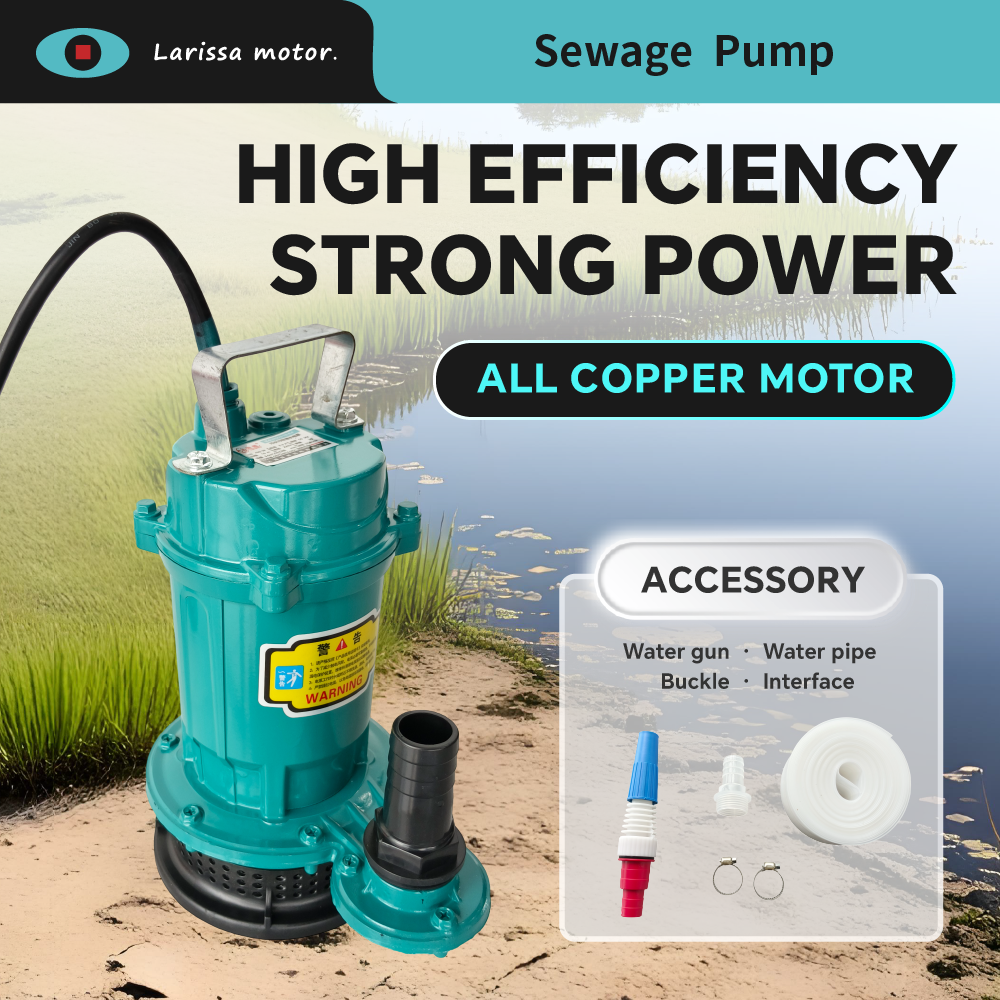
Key Specifications to Evaluate When Sourcing Solar Water Pumps
When sourcing solar water pumps, several key specifications should be closely examined:
Flow Rate: Measured in liters per minute (L/min) or gallons per minute (GPM), the flow rate indicates how much water the pump can deliver. Ensure the flow rate meets the irrigation requirements of your crops to avoid under or over-watering.
Total Dynamic Head (TDH): This specification measures the height the pump can lift water, factoring in vertical lift, friction loss, and other variables. A pump with inadequate TDH may not effectively deliver water to its intended destination.
Power Consumption: Evaluate the pump's energy efficiency, typically measured in watts. A more efficient pump can lead to lower operational costs and reduced reliance on solar panels.
Durability: Consider the materials used in constructing the pump. Pumps made from corrosion-resistant materials, such as stainless steel or high-grade plastics, will ensure longer service life, especially in harsh environments.
Solar Panel Compatibility: Check the specifications for solar panel requirements, ensuring they match your energy production capabilities. Exploring Agricultural Water Pumps can provide additional insights on compatible systems.
By understanding these specifications, you can better assess which solar water pump will provide the best value for your irrigation needs.