Choosing the Right Pump Deep Well for Your Needs

Get a Professional Sourcing Quote

Our pump experts will review your request and reply within 12 hours.
Choose Your Needs Optional Business Type
Customization Requirements Optional
Email
Name
Company Name & Website
Message
0/1000

pump deep well

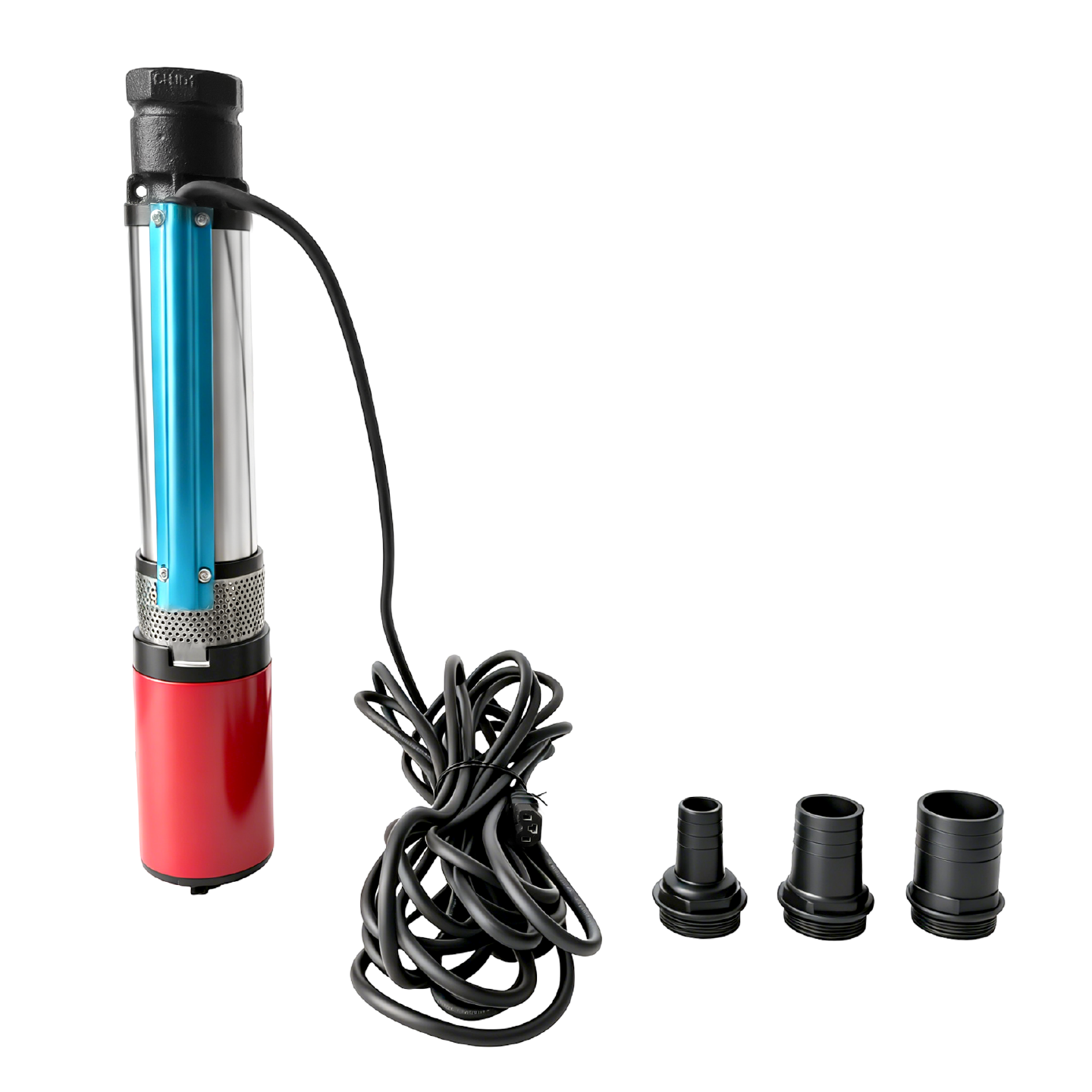
When selecting a  pump  deep well for your specific  needs, it's  crucial  to consider  several  factors that affect performance, efficiency, and suitability for your application. Deep well  pumps are  essential in extracting water from  underground sources,  making them a vital component in various  industries such as agriculture, construction, and municipal water supply.  This article will guide you through key considerations,  comparing options,  understanding  bulk orders, and evaluating  cost  factors,  all  while ensuring you make informed purchasing decisions. For those interested in enhancing their agricultural practices, exploring Agricultural Water Pumps could be beneficial.
Bulk Order Options for Deep Well Pumps

Bulk Order Options for Deep Well Pumps

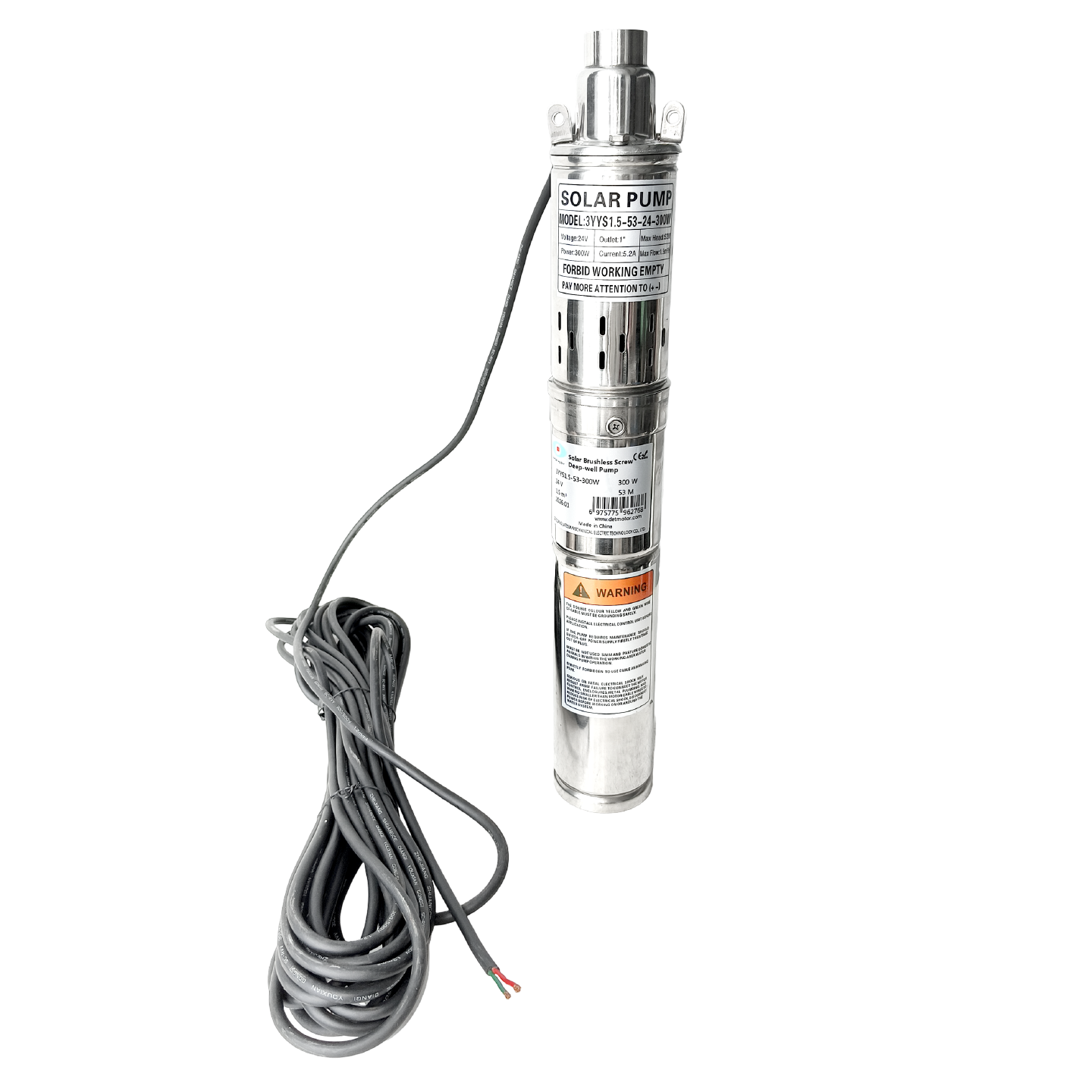
For  businesses looking to procure multiple pump  deep well units, bulk  ordering can provide significant advantages.  Many manufacturers, including Larissa  Motor, offer bulk order pricing, which can reduce the overall cost per  unit. When considering bulk  orders, clarify your specific needs  regarding quantities and  customization options, as  many manufacturers can tailor products to meet specific  operational requirements.


It's also essential to discuss lead  times when placing  bulk orders.  Production capacity can vary based on the manufacturer's existing commitments, so it's prudent  to communicate your  timeline to ensure timely delivery. Additionally, inquire about packaging methods  to ensure safe transportation  and minimize the risk of damage  during shipping.
How to Compare Deep Well Pumps for Optimal Performance

How to Compare Deep Well Pumps for Optimal Performance

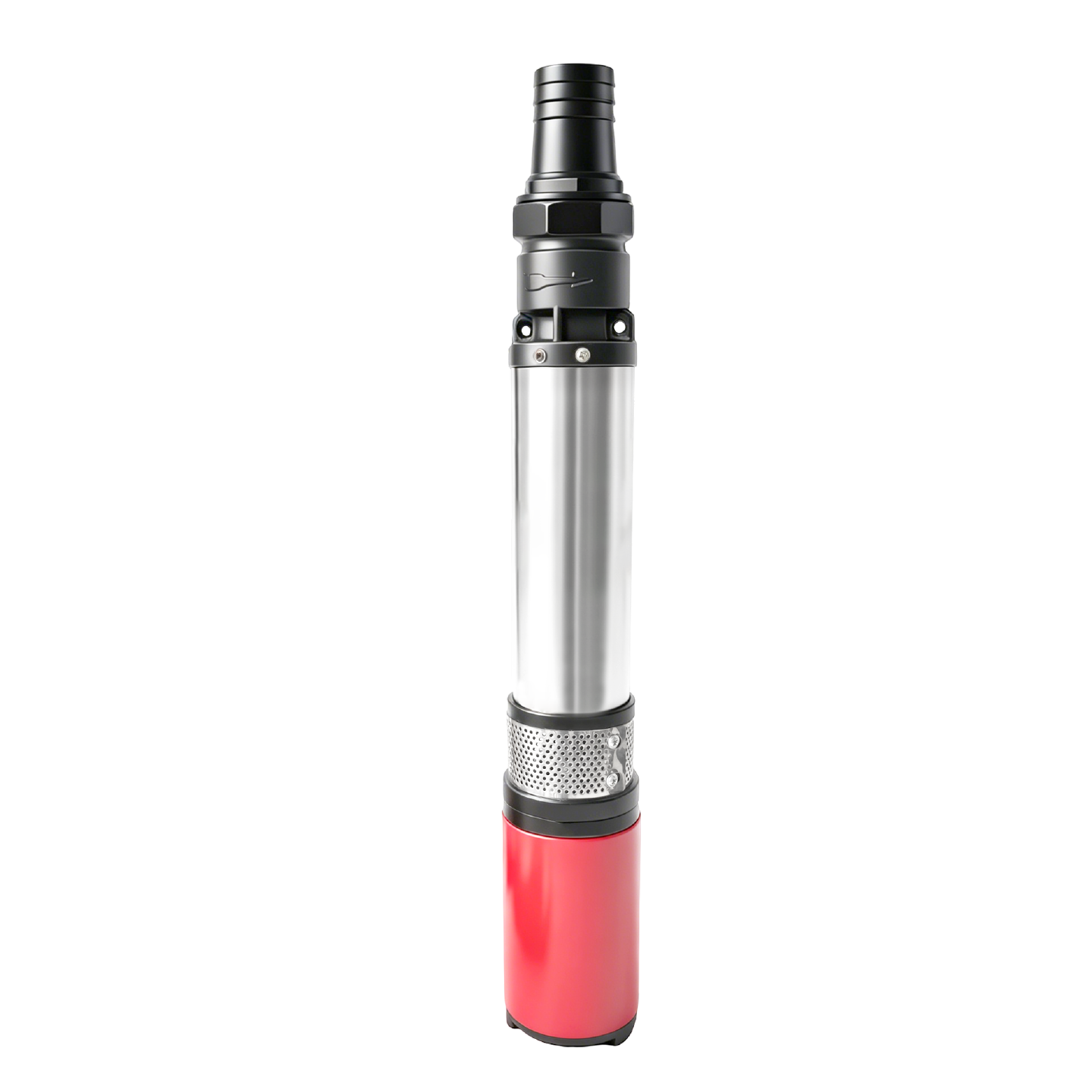
When comparing  different models of pump deep  well, focus on key  performance metrics and specifications to determine which unit will best suit your needs. Start by evaluating  the pump's head (the height it  can lift water) and flow rate,  both of which are critical for assessing performance in your specific application.


Consider the efficiency rating of the  pump, which reflects its ability to convert electrical energy into hydraulic energy. Higher efficiency ratings generally lead to lower  operational  costs. Furthermore, examine  the warranty offered by the manufacturer, as this can  provide insight into the reliability and durability of the pump.


Don't  overlook the importance of reviews and case studies from other users in similar industries.  Real-world performance data can be invaluable in  understanding  how a pump performs under actual operating  conditions. Lastly, if customization is necessary for your  application, ensure that the  manufacturer can accommodate specific requirements, such as size, material, and additional features.

Cost Factors to Consider When Sourcing Deep Well Pumps

Cost Factors to Consider When Sourcing Deep Well Pumps

The cost  of pump  deep well units can vary significantly based on several factors, including  materials, size, and customization. While the initial purchase  price is  important, consider  the total cost of ownership, which includes installation, maintenance, and potential energy  costs over the pump's lifespan.

Material choice plays a crucial role in cost. For example, stainless steel pumps may be more  expensive upfront but offer greater durability and lower maintenance costs compared to plastic  or cast iron options. Additionally, the pump's horsepower and efficiency will affect energy consumption,  meaning  that a more efficient pump can lead to substantial savings over time.

When sourcing pumps,  it's also beneficial to compare prices from multiple  suppliers to ensure you  are receiving  competitive quotes. Be prepared to provide detailed information  about your application, such as required flow rates and depth, to receive accurate pricing.  Lastly, take into account any additional costs related to  shipping,  installation, and after-sales support when  evaluating the overall price.

Material Advantages of High-Quality Deep Well Pumps Explained

The materials used  in pump deep well construction  significantly impact performance, durability, and maintenance requirements.  High-quality materials such as stainless  steel and engineered  plastics are preferred for their resistance to corrosion, wear, and environmental  stressors.

Stainless steel is commonly used due to its strength and long-lasting performance, particularly in challenging  environments where exposure to moisture and chemicals is prevalent. Its  smooth surface also helps prevent sediment buildup, which can impair pump efficiency. Cast iron, while less  expensive, may require more frequent maintenance and may not perform as well in corrosive conditions.

In contrast, engineered plastics can offer a lightweight alternative  while  maintaining strength and durability. They are often used in applications where weight is a critical factor, such as portable  water systems. When selecting materials, always  consider the specific conditions the pump will face, including temperature extremes, chemical exposure, and potential physical impacts.

In summary, when selecting a pump  deep well for  your projects, it's crucial to evaluate performance metrics, material options, and cost  factors. By understanding  these elements, you can make  informed decisions that meet your operational needs while  ensuring reliability and  efficiency.

What to Consider When Choosing Deep Well Pumps for Your Projects

Choosing the  right  pump deep  well for your project involves  several critical considerations. First, assess the depth of the well and the water table level, as these factors dictate the pump's required lift capacity. The pump's  flow  rate, typically measured in gallons per  minute (GPM), is also essential—different applications  may require varying flow rates, from  low-volume residential needs to high-volume agricultural irrigation.

Next,  consider the pump's  material construction. Stainless  steel and cast iron are common materials due to their durability and corrosion resistance in harsh  environments. The pump's size and horsepower rating must align with your operational needs; an undersized pump may struggle to  deliver the necessary water  flow, while an  oversized pump can lead to inefficiencies  and increased  wear. Additionally, for effective irrigation solutions, look into Irrigation Pumps.

Additionally,  think about  the pump's energy efficiency and operational costs. Look for models that meet international energy standards, as these can significantly reduce long-term expenses. Finally, always ensure that the pump meets applicable certifications for safety and reliability, especially when used in commercial or industrial settings.

Get a Professional Sourcing Quote

Our pump experts will review your request and reply within 12 hours.
Choose Your Needs Optional Business Type
Customization Requirements Optional
Email
Name
Company Name & Website
Message
0/1000

Related product categories