Choosing Solar Panels and Water Pumps for Projects

Get a Professional Sourcing Quote

Our pump experts will review your request and reply within 12 hours.
Choose Your Needs Optional Business Type
Customization Requirements Optional
Email
Name
Company Name & Website
Message
0/1000

solar panel and water pump

Solar panels and water pumps  are essential components  in various applications, from agriculture to residential  use, providing efficient  energy solutions and water management.  When considering these  products, B2B  buyers often face critical  concerns such  as performance, compatibility,  and cost-effectiveness. This article aims  to guide purchasing managers, engineers, and product  managers through the  selection  process  of solar panels  and water pumps, focusing  on key specifications,  cost factors, installation guidance, and  common issues  with effective solutions.
Key Specifications to Evaluate in Solar Panels and Water Pumps

Key Specifications to Evaluate in Solar Panels and Water Pumps

When evaluating solar panels and  water pumps,  several key specifications are crucial to ensure they  meet the  intended application  requirements:

Solar Panel Efficiency: This  refers to the amount of sunlight  converted into usable electricity. Higher efficiency panels can generate more power in limited space, making  them  ideal for installations with space  constraints.

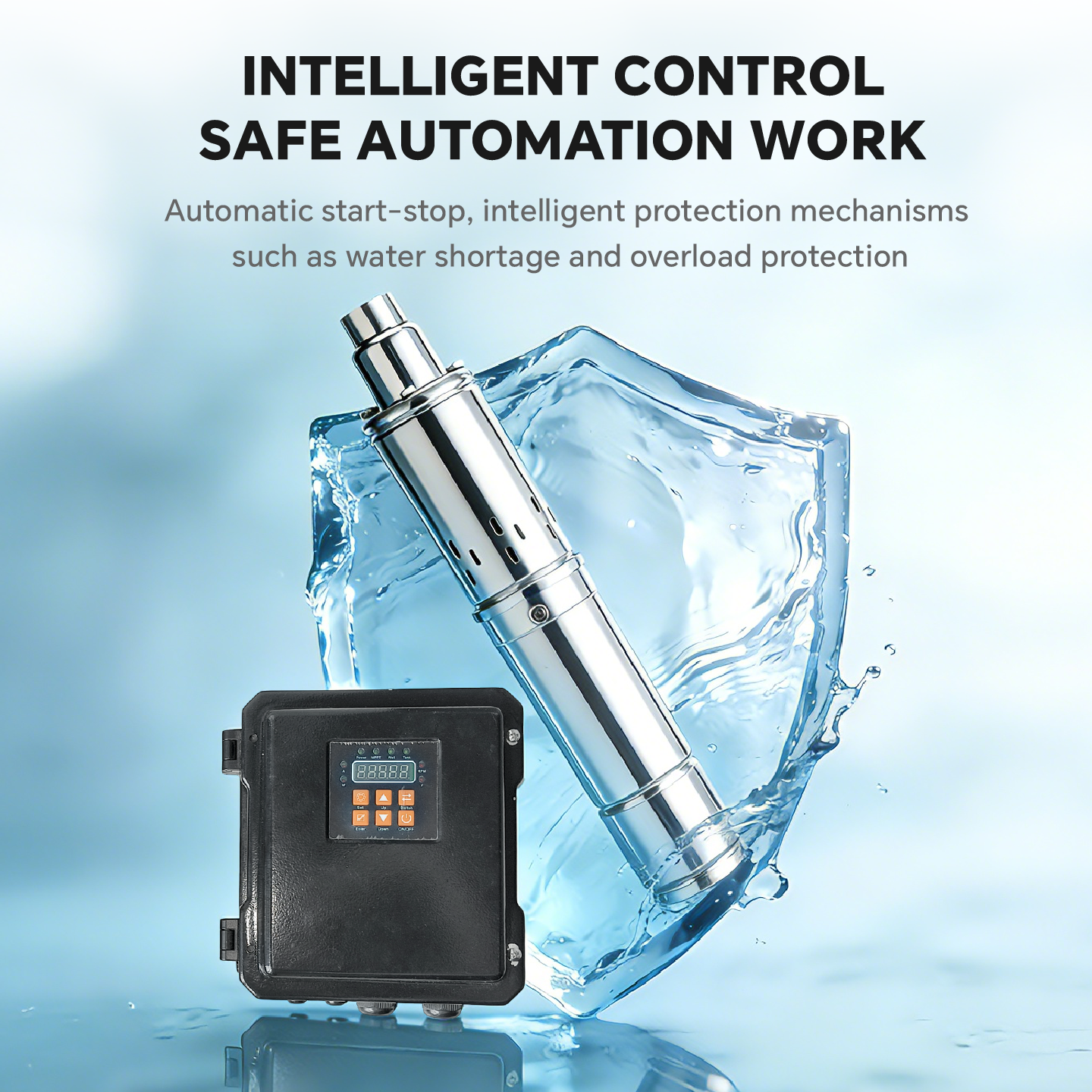
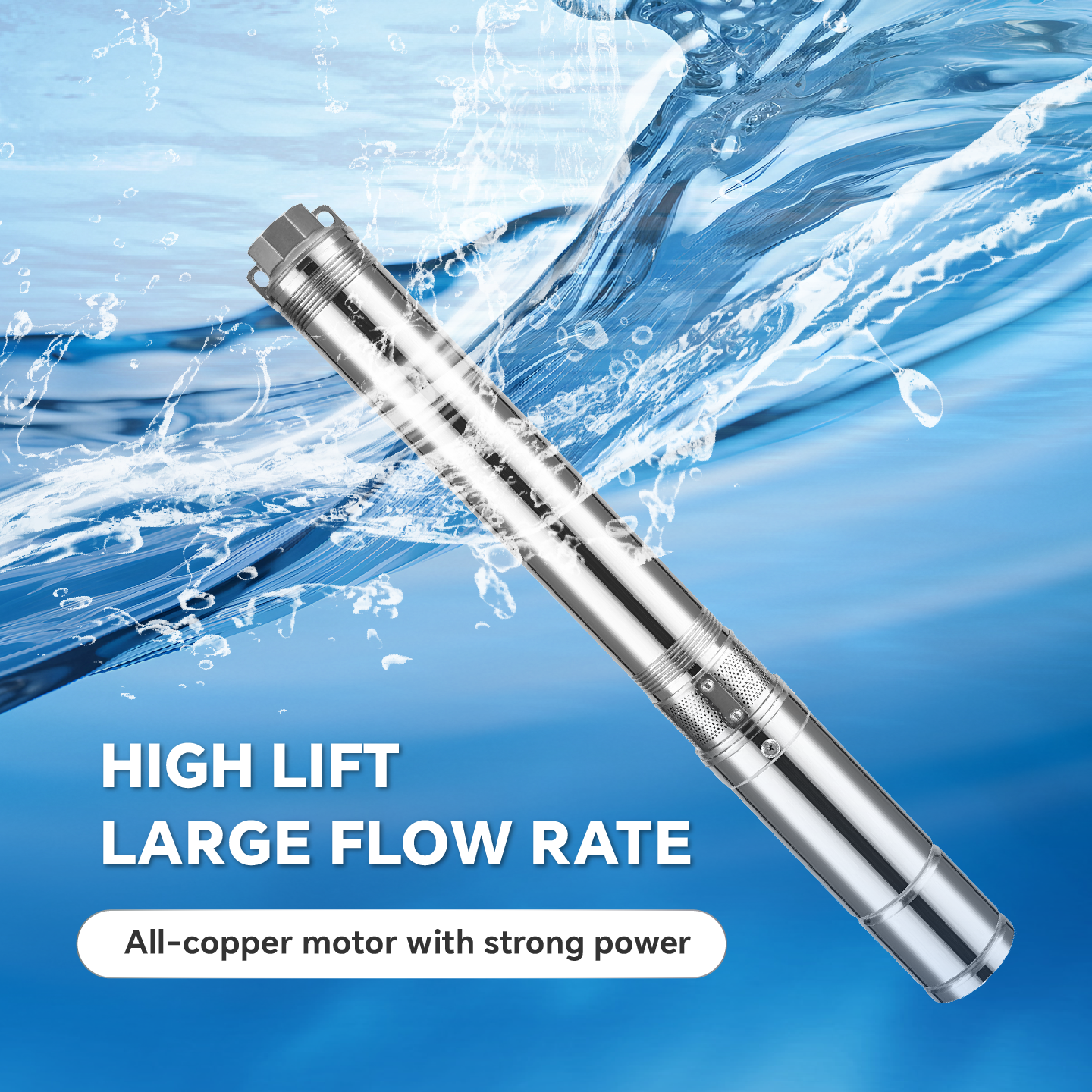
Water Pump Flow Rate: Measured in  liters  per minute  (L/min) or gallons per minute (GPM), flow rate indicates how much water the pump can deliver. Ensure that the selected pump meets the demands of the intended application, whether for irrigation, residential supply, or industrial use. Consider options like the DC CPM Centrifugal Water Pump for Solar Irrigation & Agricultural Water Transfer for agricultural applications.

Pressure Ratings: For water  pumps, consider the maximum pressure they can handle, which affects their ability to lift water to desired heights. This is particularly important in applications that require pumping water from deep wells  or reservoirs.

Durability and Materials: Assess the materials used in both solar panels and water pumps. For instance, corrosion-resistant materials are vital in environments  exposed to  moisture or chemicals. 

Certifications: Look for products  that meet international performance and safety standards, ensuring reliability and efficiency.
Cost Factors to Consider When Purchasing Solar Panels and Pumps

Cost Factors to Consider When Purchasing Solar Panels and Pumps

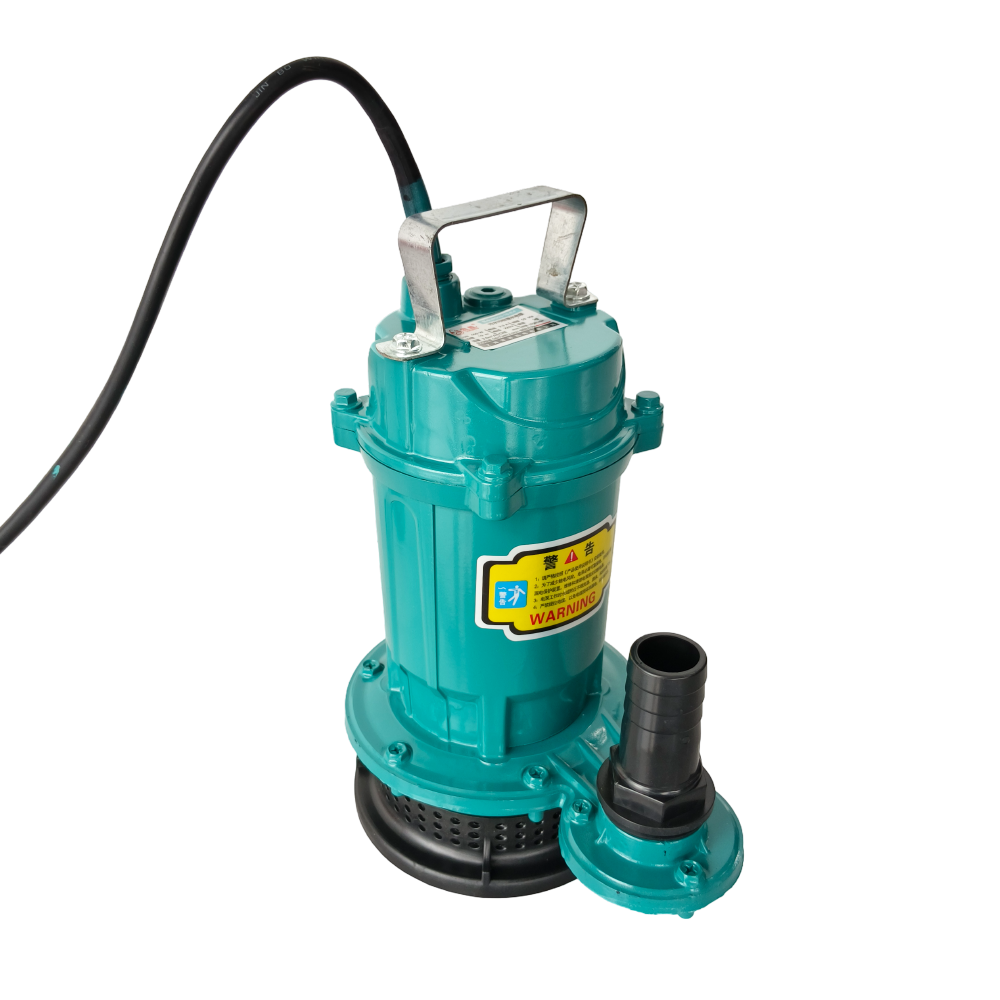
Cost is a significant consideration in the  procurement of solar panels and water pumps. Here  are several factors that  influence pricing:

Initial Investment vs. Long-term Savings: While higher-quality solar panels and pumps may have  a  higher  upfront cost, they often lead  to  greater long-term  savings through efficiency and durability.  Assess the total  cost of ownership over  the product's lifespan.

Customization Requirements: Custom-designed  panels or pumps  may incur  additional costs. Clearly define your project requirements to  get accurate estimates and  avoid unexpected expenses.

Volume Discounts: Purchasing in bulk can lead to substantial savings. Discuss minimum order  quantities with suppliers like Larissa Motor to take advantage of potential discounts.

Shipping  and Handling: Consider logistics costs, including shipping and potential import tariffs, when evaluating overall budget implications.

Installation Guidance for Solar Panels and Water Pumps in Various Settings

Installation Guidance for Solar Panels and Water Pumps in Various Settings

Proper  installation is crucial to ensuring the effectiveness and longevity of solar panels and water pumps. Here  are some guidelines:

Site Assessment: Conduct a thorough site evaluation  to determine optimal placement for solar panels, ensuring maximum sun exposure while  considering shading  from trees or buildings. For water pumps, assess the  source of water supply and required piping routes.

Mounting Systems: Choose appropriate mounting systems for solar panels  based on the installation  type—ground-mounted  or roof-mounted. Ensure that the system can  withstand  local weather conditions.

Electrical  Connections: Follow local electrical codes for connecting  solar panels to inverters  and water  pumps. Engage qualified electricians for installation to avoid safety hazards and ensure compliance.

Testing and Maintenance: After installation, conduct thorough testing of both the solar panels and pumps  to confirm they are operating as intended. Regular maintenance checks  will help to identify issues before they escalate.

Common Problems with Solar Panels and Water Pumps and Their Solutions

Understanding potential issues can aid  in  proactive management  and maintenance. Here are common problems and their solutions:

Solar Panel Degradation: Over time, solar panel efficiency can decrease  due to environmental  factors.  Regular cleaning and maintenance can mitigate this, along with monitoring performance metrics to identify drops  in efficiency early.

Pump Cavitation: This occurs when  water vaporizes in the pump due to low pressure, causing physical damage. To  prevent this, ensure that the pump is installed at  the correct depth and that the  intake is adequately submerged.

Electrical Failures: Issues with wiring or connections can lead to performance failures. Regular inspections of electrical systems, including checking for loose connections or damage, can help prevent these problems.

Clogging: Water  pumps  may become clogged with debris, affecting  performance. Implementing filtration systems can help prevent  clogs and prolong pump life.

By understanding these critical factors, B2B buyers can make informed decisions  when selecting solar panels and water pumps, ensuring optimal performance and efficiency for their projects. Larissa Motor's expertise in manufacturing  high-quality electromechanical products can support buyers in achieving  their project goals through tailored solutions that meet specific needs.

How to Choose the Right Solar Panel and Water Pump for Your Projec

Selecting the  right  solar panel and water pump involves considering  several factors, including the specific application, required performance, and environmental conditions.

Application Requirements: Identify the primary use of the solar panel and water  pump. For instance, agricultural applications may require pumps with higher flow rates, while residential installations may prioritize energy efficiency. Consider options like the Portable Solar Water Pump for Farm Irrigation & Remote Area Water Transfer for agricultural needs.

Compatibility: Ensure that the  solar panel's output matches the voltage and power  requirements  of the water  pump. Mismatched specifications can  lead to inefficient operation or  equipment  damage.

Environmental Factors: Consider the installation  environment. For example, panels installed in areas with high humidity or exposure to dust may require more  robust materials  and coatings  to enhance durability.

Customization Options: Depending on the  project scope, customization may be  necessary. Larissa Motor, with its advanced design capabilities, can adapt  products  to suit  specific project requirements, ensuring optimal performance.

Get a Professional Sourcing Quote

Our pump experts will review your request and reply within 12 hours.
Choose Your Needs Optional Business Type
Customization Requirements Optional
Email
Name
Company Name & Website
Message
0/1000

Related product categories