Key Factors in Choosing Automatic Watering Pumps

Get a Professional Sourcing Quote

Our pump experts will review your request and reply within 12 hours.
Choose Your Needs Optional Business Type
Customization Requirements Optional
Email
Name
Company Name & Website
Message
0/1000

automatic watering pump

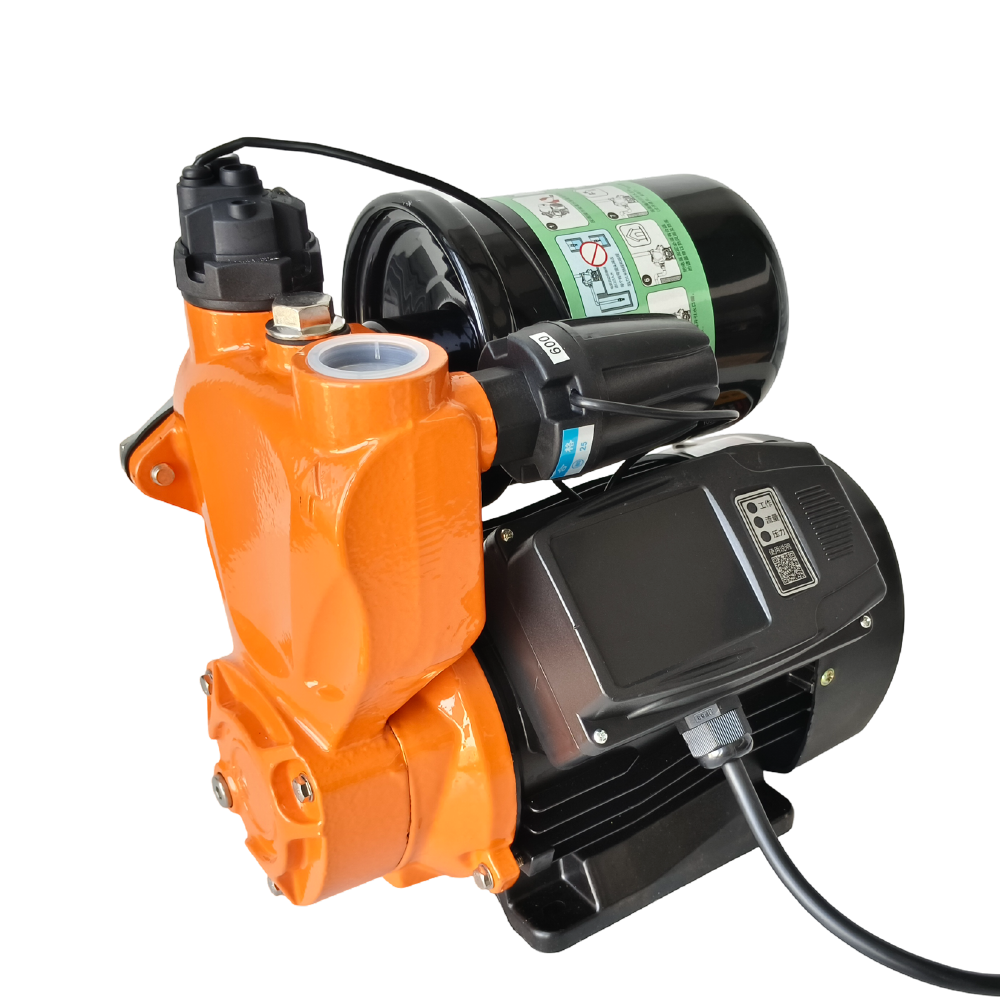
Automatic watering  pumps  are essential  devices designed  to  efficiently manage  the  irrigation  of plants and landscapes by  automating water delivery. For B2B  buyers, understanding  the nuances of automatic  watering pumps  is crucial, as choosing the  right model can directly impact operational efficiency  and  cost-effectiveness. This  article will address  key specifications, cost factors, installation  guidance, common problems, and quality control measures necessary for making informed  purchasing decisions.
Understanding the Cost Factors of Automatic Watering Pumps

Understanding the Cost Factors of Automatic Watering Pumps

The cost of automatic watering pumps can vary significantly based on several factors. Understanding these  can  help  buyers make informed purchasing decisions.

Type of Pump: Different  types of pumps, such  as submersible, centrifugal, or diaphragm pumps, come with varying price points based on their design and functionality.

Specifications: Higher specifications, like increased flow rates  and pressure ratings, often lead to  higher  costs. Buyers should weigh the  benefits of these features against their  specific requirements.

Customization: Many  manufacturers, like Larissa Motor, offer customization options to tailor the pump to specific applications. While this can increase  the initial cost, it may lead to better performance and efficiency in the long  run.

Brand and Quality: Established manufacturers with a reputation for reliability  and performance may charge more for their products. However, investing in a reputable brand can result in lower maintenance costs  and longer product life.

Installation and Maintenance: Costs  associated with installation and  ongoing maintenance should also be factored into the total cost of ownership. Proper installation is crucial for optimal performance, and regular maintenance can prevent costly  repairs. For instance, the Heavy-Duty Industrial Boiler Feed Water Pump for Hot Water Circulation & Heating Systems requires careful installation to function effectively.

By carefully considering these cost factors, buyers can budget effectively and choose a pump that provides value over its operational  lifetime.
 
Reliable Installation Guidance for Your Automatic Watering Pump

Reliable Installation Guidance for Your Automatic Watering Pump

Correct installation of an automatic watering pump is critical for ensuring effective operation and longevity. Here are key steps  to  guide  the  installation process:

Site  Assessment: Before installation, assess  the site to determine the best location for the  pump. Consider factors such as proximity  to water sources, elevation differences,  and accessibility for maintenance.

Follow Manufacturer Instructions: Always refer to  the manufacturer’s guidelines during installation. These  instructions provide  vital information on mounting, electrical connections, and plumbing requirements.

Check Compatibility: Ensure that the pump is compatible with existing irrigation systems and that all necessary fittings and connectors are available.

Test the System: Once  installed, conduct a thorough test of the  pump to check for leaks, correct pressure, and flow rates. This helps identify  any issues before the system is fully operational.

Regular Maintenance Schedule: Establish a maintenance routine post-installation to ensure continued performance. Regular checks can help prevent operational issues and extend  the lifespan of the pump.


By adhering  to these installation practices, buyers can maximize the performance  and reliability of their automatic watering  pumps.

Common Problems with Automatic Watering Pumps and Solutions

Common Problems with Automatic Watering Pumps and Solutions

Automatic watering pumps may encounter  several  common  issues that can affect their performance. Here are some  typical problems and their solutions:

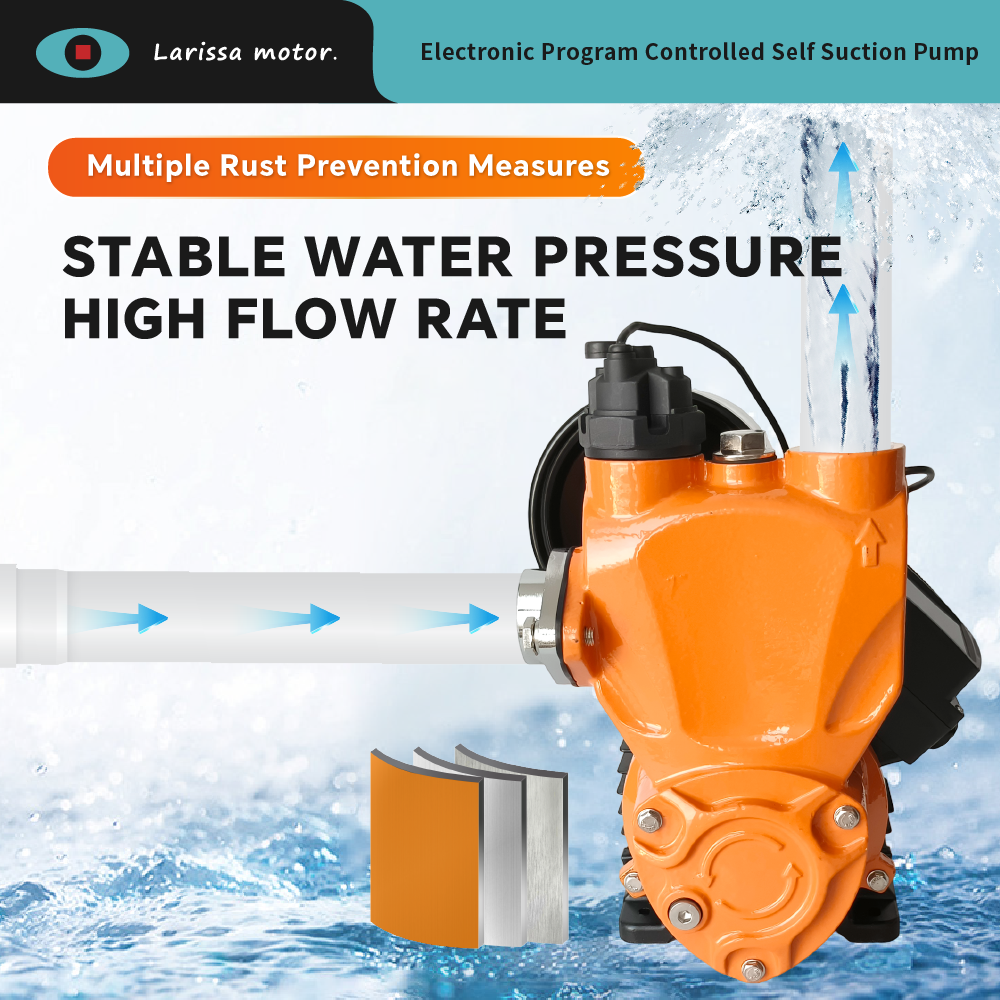
Low Pressure: If the pump  is delivering water at a lower pressure than expected, check for blockages in the inlet or outlet hoses.  Additionally, assess the pump's  power supply to ensure it is  sufficient.

No Water Flow: This  can occur  due to air locks or a  malfunctioning power supply. Bleed the system to remove air pockets and verify  that  the pump is receiving power.

Overheating: Continuous operation without breaks can lead to overheating. Ensure  the pump is rated for the workload and consider implementing a timer or control system to regulate its operation.

Unusual Noises:  Noises such as grinding or rattling may indicate mechanical  issues. Regular maintenance and inspections  can help identify and resolve these problems early.

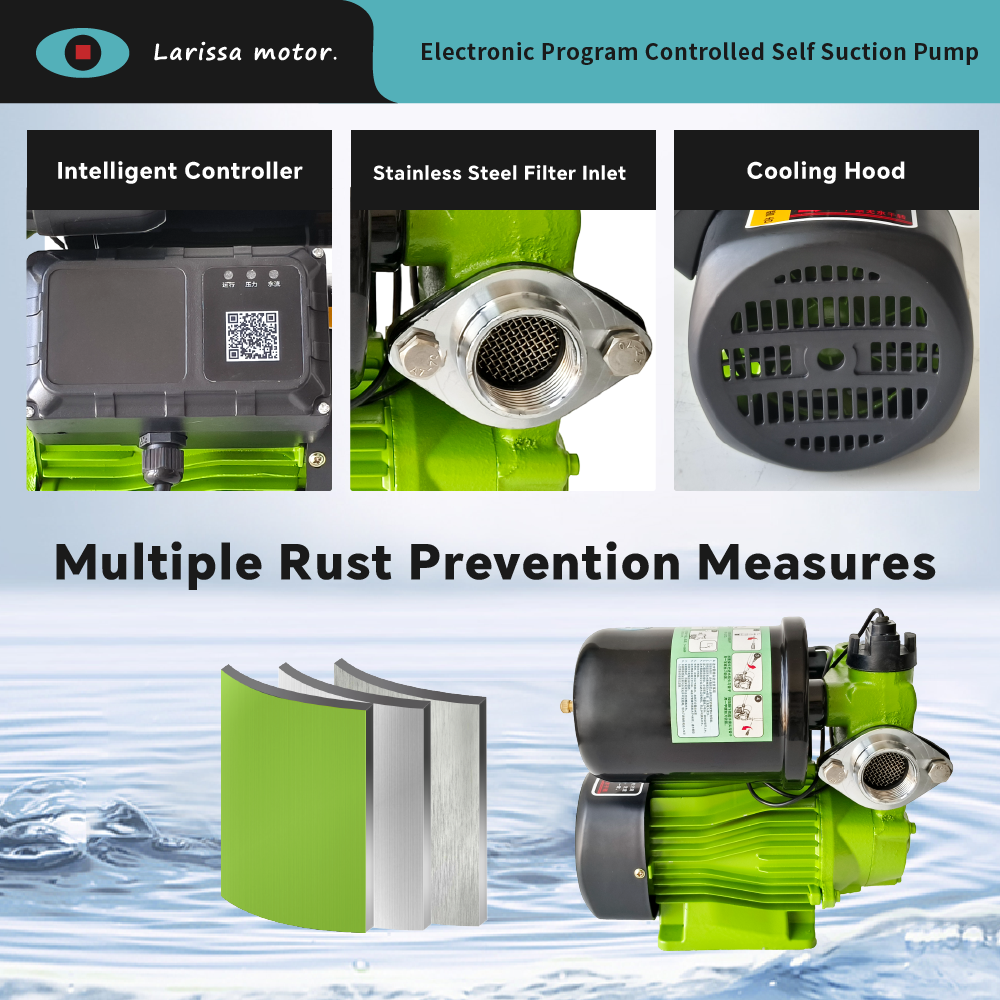
Corrosion and Wear: Depending on the water quality, corrosion can occur over time. Choosing pumps made from corrosion-resistant materials can mitigate this risk. For example, the WBZ(D)S Stainless Steel Self Priming Pump Corrosion Resistant Pump Acid Alkali Resistant is an excellent choice for durability.

Understanding these issues  can help buyers and operators troubleshoot  effectively, ensuring that the automatic watering  pump continues to function optimally.

Quality Control Measures for Automatic Watering Pumps Manufacturing

Quality control is crucial in the manufacturing of automatic watering pumps to ensure they meet international standards and buyer expectations. Key  measures include:

Material Inspection:  Before  production, raw materials are inspected for quality and compliance with specifications. This step is vital for ensuring the durability and performance of the final product.

In-Process Testing: During manufacturing,  various tests are conducted to monitor  the assembly process. This  includes checking dimensions,  pressure tests, and performance evaluations to  ensure each pump meets design specifications.

Final Quality Assurance: Before shipment, each pump undergoes a  final inspection to verify its performance metrics against  the manufacturer's  specifications. This helps catch any defects before  reaching the customer.

Certification Compliance:  Adhering to industry standards  and obtaining necessary  certifications is key for manufacturers like Larissa  Motor. This not only ensures product quality but also builds trust with buyers.

Feedback Loop: Implementing a feedback system from customers can help manufacturers identify  common issues and improve future production processes.

By  prioritizing quality control, manufacturers can enhance product reliability and foster  long-term relationships  with their buyers.

Key Specifications to Evaluate for Automatic Watering Pumps

When  considering an automatic watering pump, several specifications are crucial to ensure the pump meets your operational requirements.

Flow  Rate: Measured in liters per minute (L/min) or gallons per minute (GPM),  the  flow rate indicates how  much water  can be dispensed in a specific timeframe. This is  essential for  determining if the pump can meet the demands of your irrigation system.

Pressure  Rating: The  pressure, typically expressed in pounds per square inch (PSI), affects the pump's ability to deliver water to various heights  or distances. Buyers should assess the pressure requirements based on their irrigation  layout.

Power Source: Automatic watering pumps can be powered by electricity, solar energy, or even gasoline. The choice of power source  can influence operational costs, installation complexity, and maintenance needs. For instance, a DC CPM Centrifugal Water Pump for Solar Irrigation & Agricultural Water Transfer is a great option for those considering solar energy.

Material Composition: The choice of materials  affects durability and compatibility with different water types (e.g., potable, saline). Common  materials include  stainless steel, thermoplastics, and cast iron, each offering various benefits in  terms of corrosion resistance and strength.

Control Features: Many modern pumps come with advanced control systems that allow for scheduling, remote operation, and integration with smart irrigation systems. Understanding these  features can enhance the efficiency of your watering system.

Evaluating these specifications against your specific  application will ensure that the selected pump operates optimally and meets your  irrigation needs.

Get a Professional Sourcing Quote

Our pump experts will review your request and reply within 12 hours.
Choose Your Needs Optional Business Type
Customization Requirements Optional
Email
Name
Company Name & Website
Message
0/1000

Related product categories