Choosing the Right DC Submersible Pump

Get a Professional Sourcing Quote

Our pump experts will review your request and reply within 12 hours.
Choose Your Needs Optional Business Type
Customization Requirements Optional
Email
Name
Company Name & Website
Message
0/1000

dc submersible pump

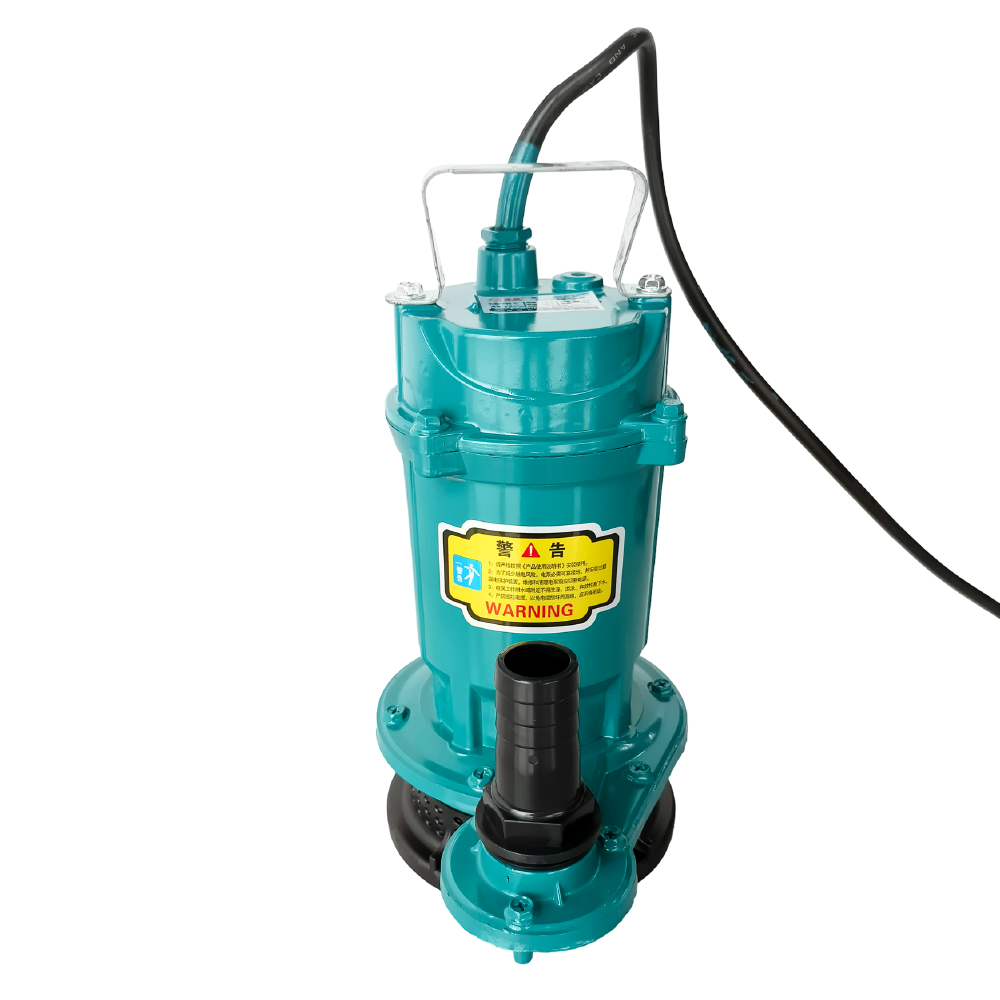
DC  submersible  pumps are  essential devices  used for various applications, including water drainage, irrigation, and industrial processes. As a crucial component in many systems, selecting the  right DC submersible pump  can significantly impact efficiency and  operational costs. Purchasing managers and engineers  must consider various factors such as performance, reliability, customization options,  and overall  cost.  This article will guide  you through the critical considerations  for choosing a  DC submersible pump that meets  your project  needs  while addressing common concerns  that  buyers have in the B2B space.
 
Sourcing Reliable DC Submersible Pump Suppliers

Sourcing Reliable DC Submersible Pump Suppliers

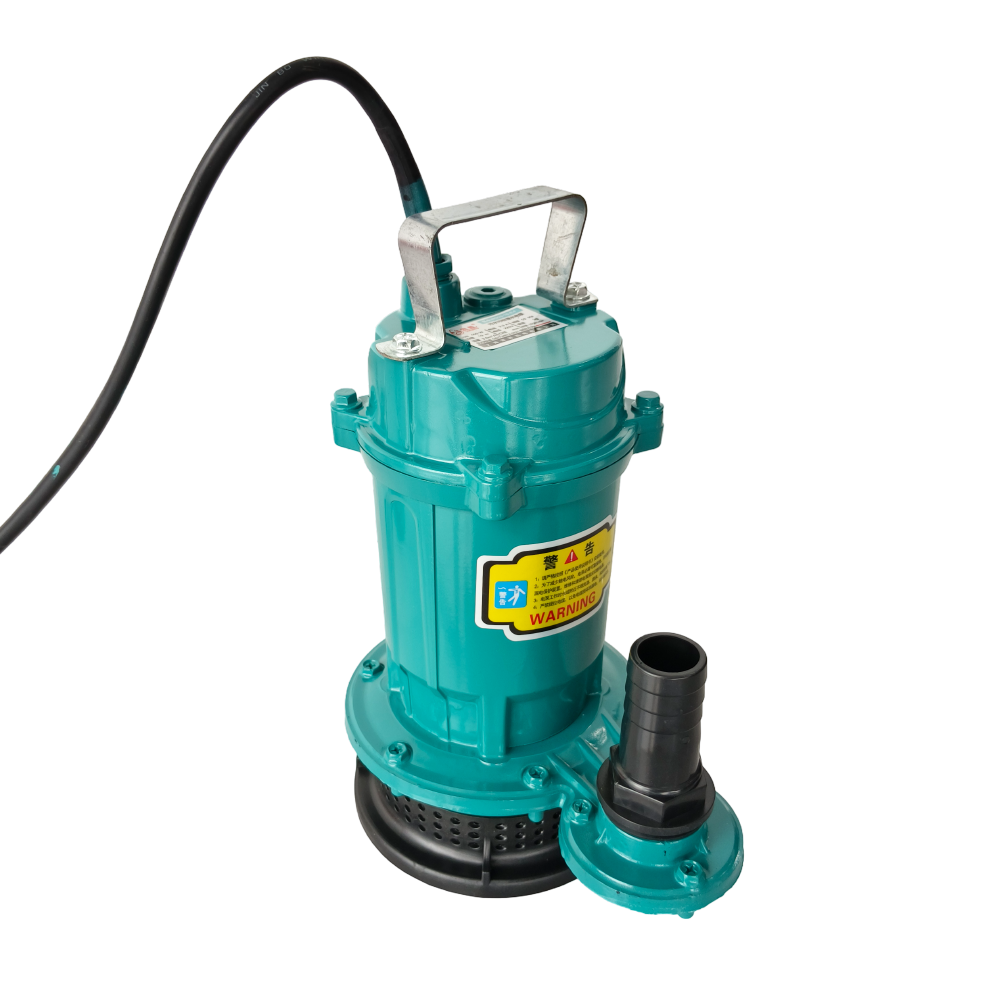
Finding a trustworthy supplier for DC  submersible pumps is critical for ensuring quality and reliability. Here are key considerations when sourcing suppliers:

Reputation and Experience:  Look  for  suppliers with a solid track  record in manufacturing and supplying DC submersible pumps. Companies like Larissa Motor, with years of experience in electromechanical product development, often have established quality control processes and a reputation for reliability.

Production Capabilities: Understand the supplier’s manufacturing capabilities, including their in-house development process, production  equipment, and quality assurance measures.  This insight helps gauge their ability to deliver products  that meet your specifications consistently.

Customization  and Support:  A good supplier should offer  customization options and support throughout the purchasing process. This includes providing technical assistance in selecting the right pump for your application and guidance during installation.

Lead  Times and Minimum Order Quantities  (MOQs): Clarify lead times for production and any minimum order quantities.  Understanding these factors can help you manage your inventory and project  timelines effectively.


Global Reach: If your operations  are international, ensure the supplier  has experience exporting to your target markets, such as Europe  or other regions.

By carefully evaluating potential suppliers based on these criteria, you can establish a  partnership that supports your needs and enhances your operational efficiency.
Understanding the Cost Factors of DC Submersible Pumps

Understanding the Cost Factors of DC Submersible Pumps

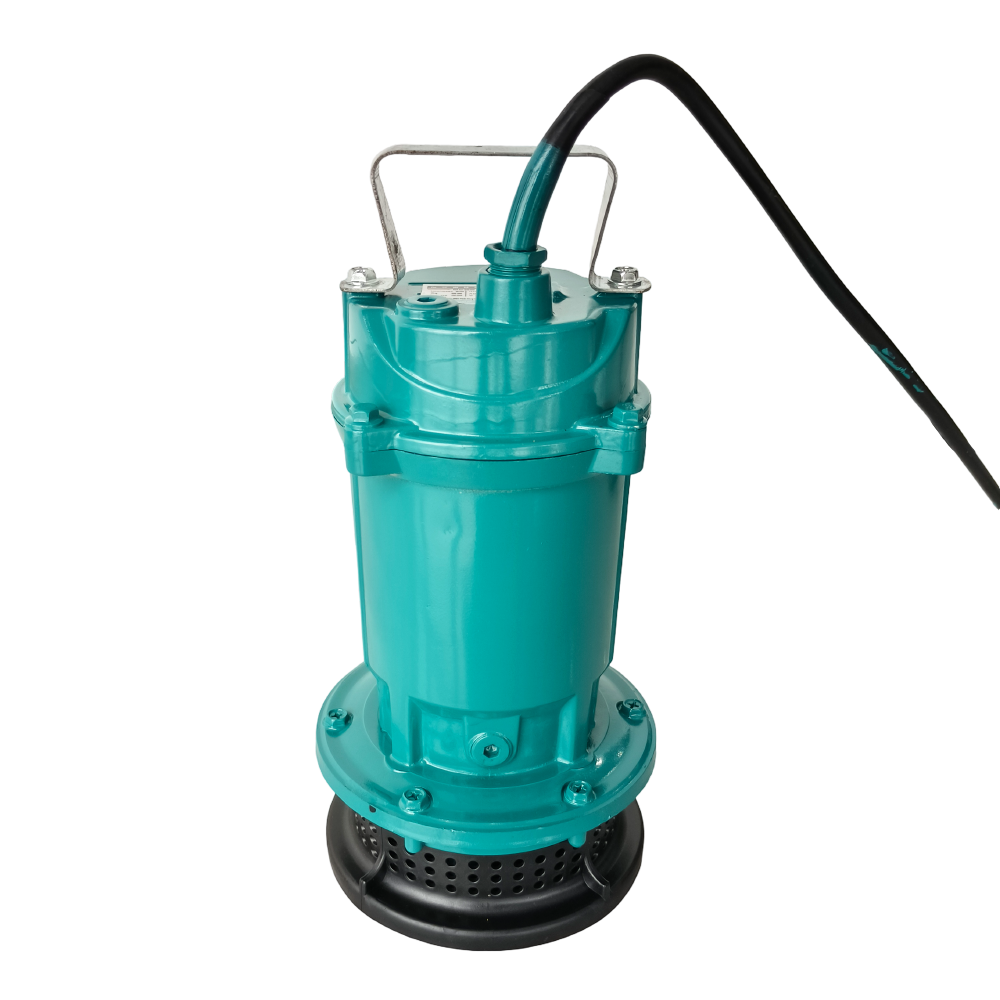
The cost of DC submersible pumps  can vary significantly based on several factors. Understanding these cost determinants can help you budget effectively  for your project:

Material  Costs: The choice of materials directly influences the pump's  price.  For instance, pumps made from high-grade stainless steel may be more expensive but offer greater durability and corrosion resistance compared  to plastic alternatives.

Customization: Custom features, such as specific dimensions, materials, or performance specifications, can increase the overall cost. It is essential to weigh the  benefits of customization against the additional expense.

Volume Discounts: If you are planning to purchase in bulk, inquire about volume discounts. Many suppliers offer reduced  prices for larger orders, which can significantly lower your overall  costs.


Maintenance and Operation Costs: Consider  the long-term operational costs of the pump, including energy consumption and maintenance requirements.  A  pump that is energy-efficient may have a higher upfront cost but  can lead to savings over time. For instance, the Solar Powered Deep Well Submersible Pump for Off-Grid Water Supply & Irrigation is designed to be energy-efficient.

Shipping and Handling: Shipping costs can also impact  the  total price. Discuss logistics with your supplier  to understand potential shipping  charges and delivery  timelines.

By accounting for these  cost factors, you can make informed decisions that align with your budget and project requirements.

Installation Guidance for Optimal Performance of DC Submersible Pumps

Installation Guidance for Optimal Performance of DC Submersible Pumps

Proper installation of  a DC submersible pump is crucial for ensuring optimal performance and longevity. Here are essential  guidelines  for installation:

Preparation:  Before installation, review all technical  documentation  provided by the manufacturer. This includes installation manuals, wiring diagrams, and safety instructions to ensure compliance  with local regulations.

Site Assessment: Evaluate the installation site to ensure that it is suitable  for the pump’s operational requirements. Consider factors  such as depth, accessibility, and environmental conditions that may affect performance.

Electrical Connections: Ensure that electrical connections are made according to the manufacturer's specifications. Proper grounding and circuit protection are critical to prevent electrical failures.

Testing: After  installation, conduct thorough  testing  to confirm that the pump operates correctly under load. Check for any leaks  and verify that the flow rate and pressure match the specified requirements.


Regular Maintenance: Implement a  maintenance schedule to inspect the pump regularly. Addressing minor issues early can prevent costly repairs and extend the pump's lifespan.

By  following these installation guidelines, you can enhance the reliability and efficiency of  your  DC submersible  pump.


Common Issues with DC Submersible Pumps and Their Solutions

Understanding common issues associated with DC submersible pumps can help you mitigate potential problems before they arise. Here are some  frequent challenges and their solutions:

Overheating: If a pump overheats, it may be due to inadequate cooling or excessive load.  Ensure that the pump is correctly sized for its application and that it  has  sufficient cooling provisions in place.

Low Flow Rate: A decrease in flow rate  can result  from clogging or wear and tear. Regular maintenance, including cleaning filters  and inspecting components, can  help maintain optimal flow.

Electrical Failures: Electrical issues can arise from improper connections or voltage fluctuations. Use quality electrical components and  verify compatibility before installation to minimize risks.

Corrosion and  Wear: Depending  on the materials used, pumps can suffer from corrosion or material fatigue. Regular inspections can help  identify  signs of wear, and timely replacement of parts can prevent further damage.

Vibration  and Noise: Excessive vibration or noise may  indicate an  imbalance or misalignment. Check the pump installation and ensure that it is securely  mounted and properly  aligned.

By  being aware of these common issues and implementing preventive measures,  you can enhance the reliability and efficiency of your DC submersible pump, ultimately leading to better operational outcomes.

Choosing the Right DC Submersible Pump for Your Project Needs

When selecting a DC submersible pump, several key factors should be evaluated to ensure it meets your specific project requirements. These factors include:

Flow Rate and Head Pressure:  Understanding the required flow rate (measured in liters per  minute or gallons per minute) and head pressure (the height the pump  needs to lift water) is crucial. This information  helps determine the pump’s capability to meet your project's demands.

Material Selection: The  materials used in the pump's construction  affect its durability and  compatibility with various fluids. Common  materials include stainless steel, thermoplastic, and cast iron. Each material has unique properties suitable for specific applications, such as resistance to corrosion or high temperatures.


Power Supply: Since these pumps operate on direct current  (DC), evaluating the power requirements and ensuring compatibility with your existing electrical systems is essential. Consider whether  your application can accommodate solar power or battery-operated systems, which can provide flexibility in  remote installations. For example, the DC CPM Centrifugal Water Pump for Solar Irrigation & Agricultural Water Transfer is designed specifically for such needs.

Customization  Options: Many manufacturers, like Larissa Motor, offer customization features to tailor pumps to specific operational environments and applications. Discussing your unique requirements with suppliers can lead to more  efficient solutions.

Certifications and Standards: Ensure that the pump meets international standards relevant to  your industry. This  can include certifications related to safety, energy  efficiency, and environmental impact.

By closely analyzing these factors, you can  select a DC submersible pump that not only fits your operational  needs  but also enhances overall system performance.

Get a Professional Sourcing Quote

Our pump experts will review your request and reply within 12 hours.
Choose Your Needs Optional Business Type
Customization Requirements Optional
Email
Name
Company Name & Website
Message
0/1000

Related product categories