Choosing the Right Solar Sprinkler Pump for Wholesale

Get a Professional Sourcing Quote

Our pump experts will review your request and reply within 12 hours.
Choose Your Needs Optional Business Type
Customization Requirements Optional
Email
Name
Company Name & Website
Message
0/1000

solar sprinkler pump

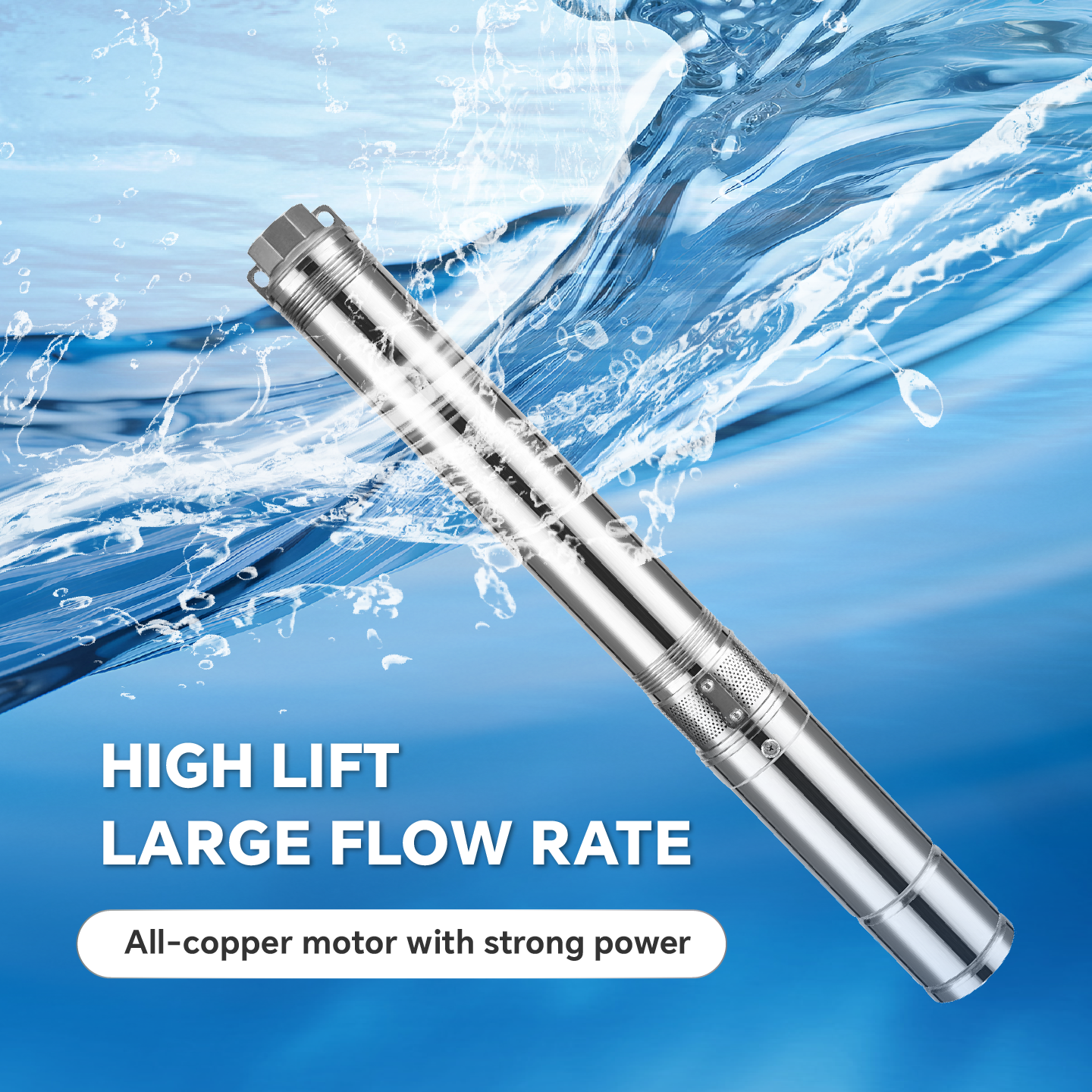
Understanding the features of a  solar sprinkler pump is essential for  purchasing  managers, distributors,  and engineers looking to meet their wholesale needs. These pumps  are designed  to efficiently deliver  water  using solar  energy, making  them an eco-friendly choice  for irrigation and agricultural  applications. This article will  guide you through the key considerations when  selecting a solar  sprinkler pump, including specifications,  quality evaluation, and common issues you  may  encounter.
 
Key Specifications of Solar Sprinkler Pumps for Importers and Distributors

Key Specifications of Solar Sprinkler Pumps for Importers and Distributors

Understanding the key  specifications of  solar  sprinkler  pumps is vital for importers and  distributors looking to  maintain competitive offerings. Key specifications to consider include:

Flow Rate: Measured in liters per minute (L/min) or gallons per minute (GPM), the flow rate indicates how much water  the pump can deliver. It should be matched with your irrigation needs.

Pressure Rating: Typically measured in psi (pounds per square inch), the pressure rating  will determine how far the water  can  be distributed. For example, higher pressure ratings  are essential for larger irrigation systems.

Power Consumption: Look for pumps that optimize  solar energy use. The power rating, often in watts, indicates how much solar energy is required to operate the pump  effectively.

Durability and Materials:  Pumps designed  with corrosion-resistant materials, such as stainless  steel  or  reinforced plastics, will perform better over time, especially in harsh  environments.

Certifications: Ensure the products meet international standards for safety and performance, which can significantly enhance their marketability.

Understanding these specifications will help you guide your customers in  selecting pumps that meet their irrigation needs efficiently.
How to Evaluate the Quality of Solar Sprinkler Pumps Before Purchase

How to Evaluate the Quality of Solar Sprinkler Pumps Before Purchase

Quality evaluation is a critical step  before purchasing solar sprinkler pumps. Here are some methods  to ensure you are investing in  reliable products:

Sample Testing: Request samples before bulk ordering. Testing  a sample under actual  operating conditions can reveal potential issues that may not be apparent from specifications alone. This is especially  important for assessing the pump’s performance  in different  environmental conditions.

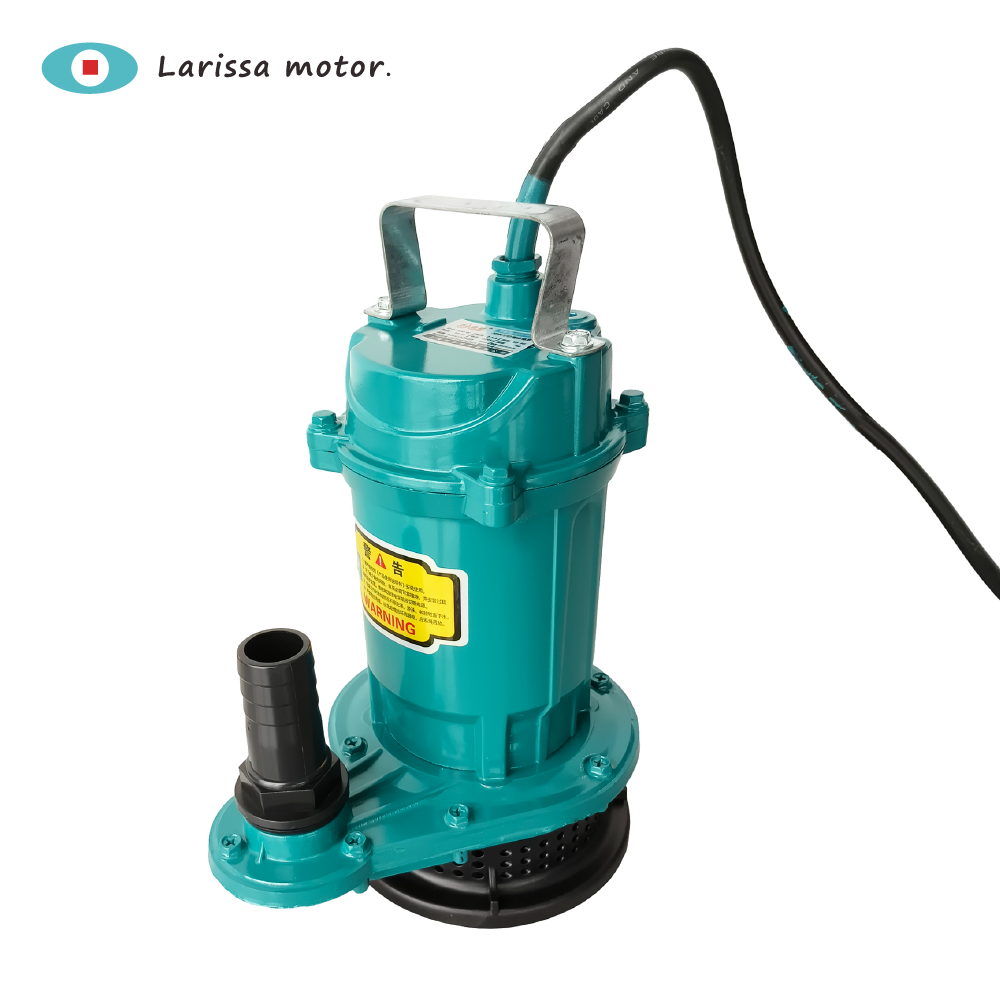
Supplier Reputation: Research the manufacturer’s history, especially their experience in producing similar products.  A company like Larissa Motor, known for their  advanced design and stable performance,  suggests  a level of expertise that can give you confidence in the product's quality.

Quality Control Processes: Inquire about the manufacturer’s  quality assurance protocols. Effective quality  control processes should  include  inspections at various production stages, ensuring that each pump meets specified standards.

Customer  Reviews and Case Studies: Look for feedback from  other buyers who have used the pumps in similar applications. Their insights can  provide valuable information regarding long-term performance  and reliability.

By implementing these evaluation methods, you can better ensure that the solar sprinkler pumps you choose will meet your quality expectations.

Best Practices

Best Practices

To  maximize the longevity and efficiency of solar sprinkler pumps, consider  these best practices:

Regular Maintenance:  Implement a routine maintenance  schedule that includes checking for leaks,  cleaning the solar  panels, and inspecting the pump for wear and tear. Regular maintenance helps prevent unexpected failures and  prolongs the pump’s lifespan.

Proper Installation: Follow the  manufacturer’s guidelines for installation carefully.  Incorrect  installation can lead to operational  inefficiencies  or damage to the pump.

Monitoring Performance: Use performance monitoring tools to track the pump’s operation. This can help identify potential issues  early, allowing for proactive maintenance and adjustments.

Educate  End Users: Ensure that your customers understand how to operate and maintain  the pumps. Providing training  or instructional materials can enhance user satisfaction and reduce  warranty claims.

Implementing these  best practices will help ensure that your  solar sprinkler pumps operate efficiently and  effectively over their lifespan.

Common Problems with Solar Sprinkler Pumps and Their Solutions

While solar sprinkler  pumps are  generally reliable, users may encounter common issues. Here are a few problems and their solutions:

Insufficient Water Flow: This can occur if the pump is not sized correctly for the application or if there  are  blockages  in  the  system. To resolve this, ensure the pump's specifications match your needs and regularly  check  for clogs in the intake or filtration system.

Energy Inefficiency: If the pump is not performing efficiently, check the solar panel  positioning. Panels should be placed to receive maximum sunlight exposure throughout the day. Additionally,  ensure that the wiring is intact and connections are  secure.

Pump Overheating: Overheating can occur due to excessive operational demands or inadequate ventilation. To mitigate this, ensure  the pump is used within its specified limits and is  adequately ventilated to allow for heat dissipation.

Mechanical Failures: Wear and tear can lead to mechanical failures. Regular inspections  can help identify  parts that need  replacement before they fail completely.

By being  proactive about these common issues, you can enhance  the reliability and performance of your  solar sprinkler pumps, ensuring that they meet your operational needs.

Choosing the Right Solar Sprinkler Pump for Your Wholesale Needs

When selecting a solar sprinkler pump, it’s crucial to consider  several factors that align with your specific application and market demands. Start by assessing the pump's flow rate and pressure capability, as these will determine its  effectiveness in your intended application—whether  for agricultural irrigation, landscape watering, or industrial use. Additionally, consider exploring our Agricultural Water Pumps for more tailored options.


Customization  options are also essential. Manufacturers like Larissa Motor, with years of experience in producing  high-quality electromechanical products, can  provide tailored solutions  that meet your specific  requirements. This may include  modifications in pump  capacity, material choices for different  environmental conditions, or even design adjustments to fit unique installation spaces.

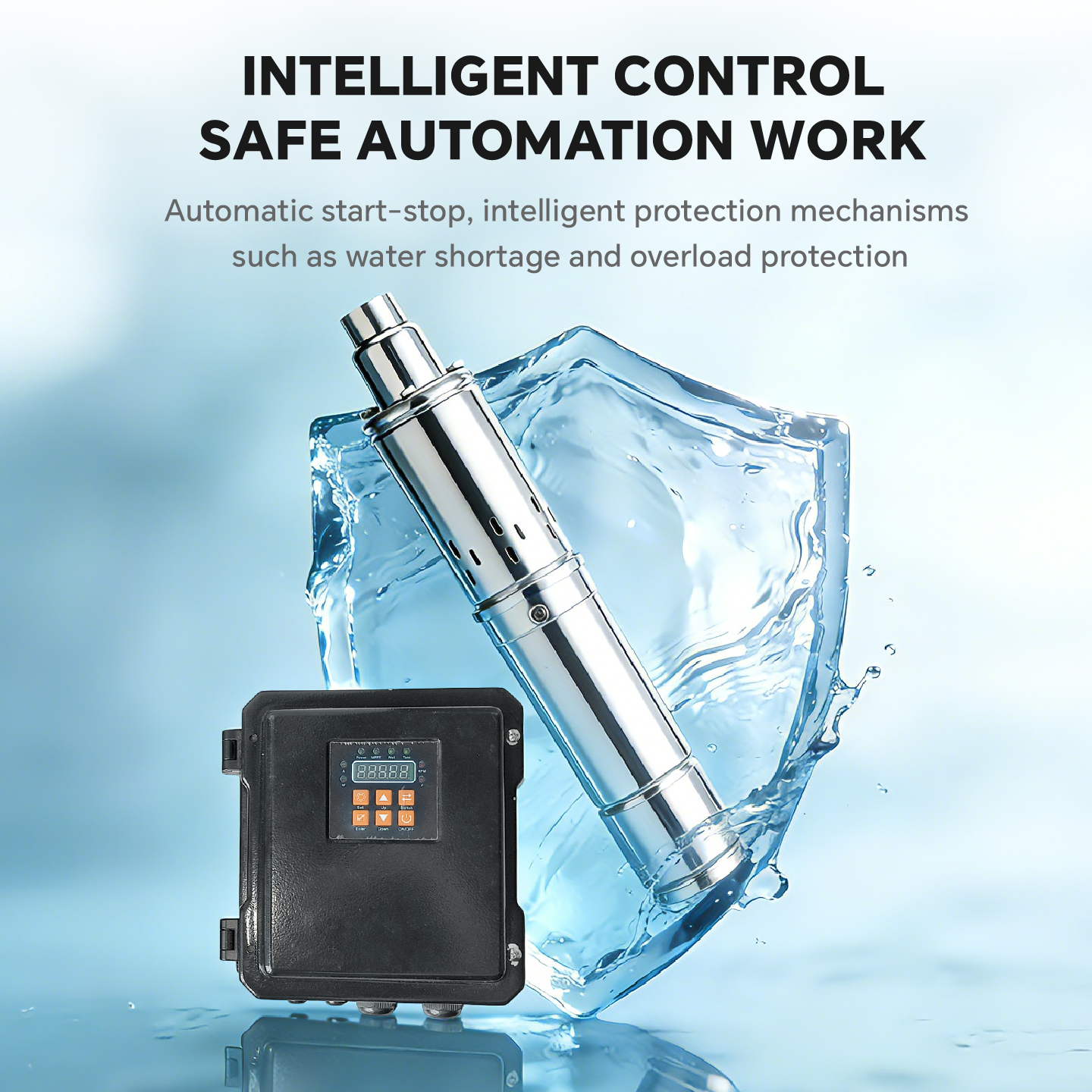
Additionally, consider  the pump's energy efficiency. Solar pumps  should be able to operate efficiently under varying sunlight conditions. A pump with  an integrated inverter can maximize performance, ensuring reliable operation even  when solar input is less than optimal. 

Lastly, verify the manufacturer's support for installation and  maintenance. A reliable supplier will  provide detailed guidelines and troubleshooting support,  ensuring you can effectively integrate the pump into your system.

Get a Professional Sourcing Quote

Our pump experts will review your request and reply within 12 hours.
Choose Your Needs Optional Business Type
Customization Requirements Optional
Email
Name
Company Name & Website
Message
0/1000

Related product categories