EN
EN
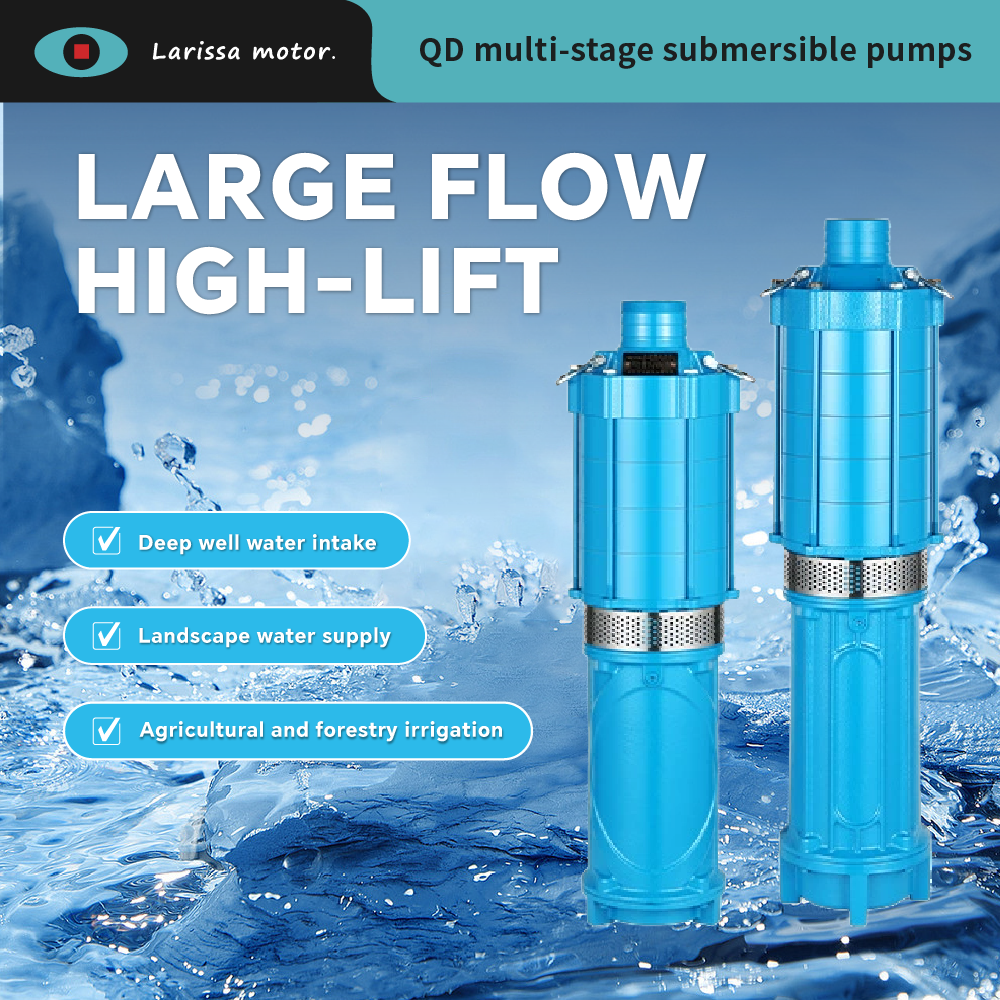
Submersible well water pumps are essential devices used to extract water from underground sources, making them crucial for various applications, including agriculture, irrigation, and residential water supply. When purchasing a submersible well water pump, buyers often have concerns regarding performance, reliability, and compatibility with their specific needs. This article will guide you through the critical aspects of selecting the right pump, evaluating specifications, sourcing suppliers, ensuring quality, and understanding the diverse applications of these pumps. For example, in agricultural settings, **Agricultural Water Pumps** play a vital role in ensuring optimal irrigation.
Key Specifications to Evaluate in Submersible Well Water Pumps
When evaluating submersible well water pumps, several specifications are critical to ensure you select a reliable and effective unit:
Horsepower (HP): This indicates the motor's power and its ability to move water. Higher horsepower generally means greater lifting capacity, but it also impacts energy consumption.
Pump Material: The material affects durability and resistance to corrosion. Common materials include thermoplastic, stainless steel, and cast iron. Choose based on the water's chemical composition and environmental factors.
Maximum Head: This specification indicates how high the pump can lift water. Knowing the height from the pump to the discharge point helps in selecting a model that can efficiently perform in your specific setup.
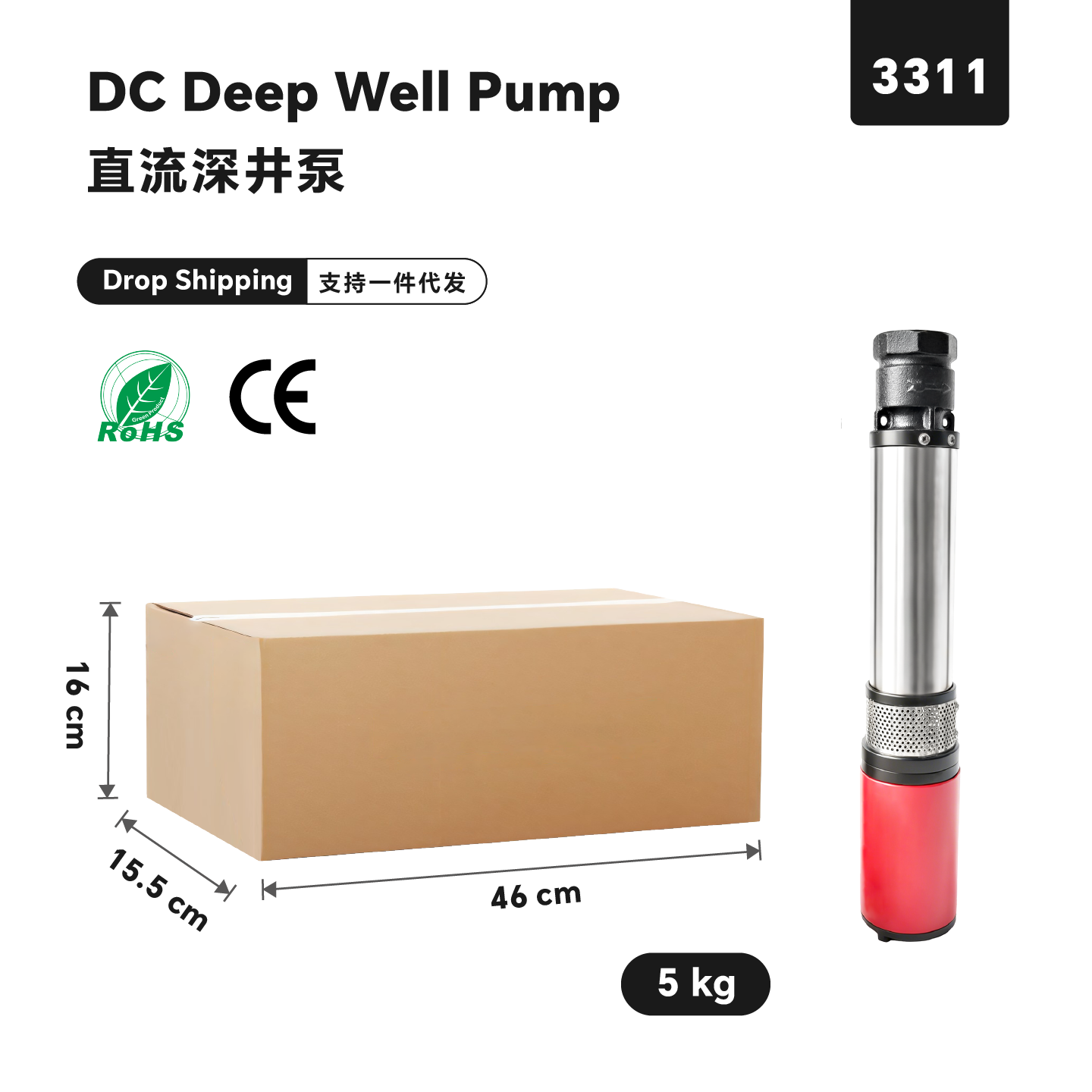
Diameter and Length: The pump's physical dimensions should fit your well casing. Make sure to account for the well diameter and the total length required for installation.
Efficiency Rating: Check the pump's efficiency rating, which affects energy consumption and operational costs. A more efficient pump can lead to significant savings over time.
By carefully assessing these specifications, you can make a more informed decision that aligns with your operational and financial goals.