Key Specifications for Deep Well Pumps in B2B Trade

Get a Professional Sourcing Quote

Our pump experts will review your request and reply within 12 hours.
Choose Your Needs Optional Business Type
Customization Requirements Optional
Email
Name
Company Name & Website
Message
0/1000

deep well well pump

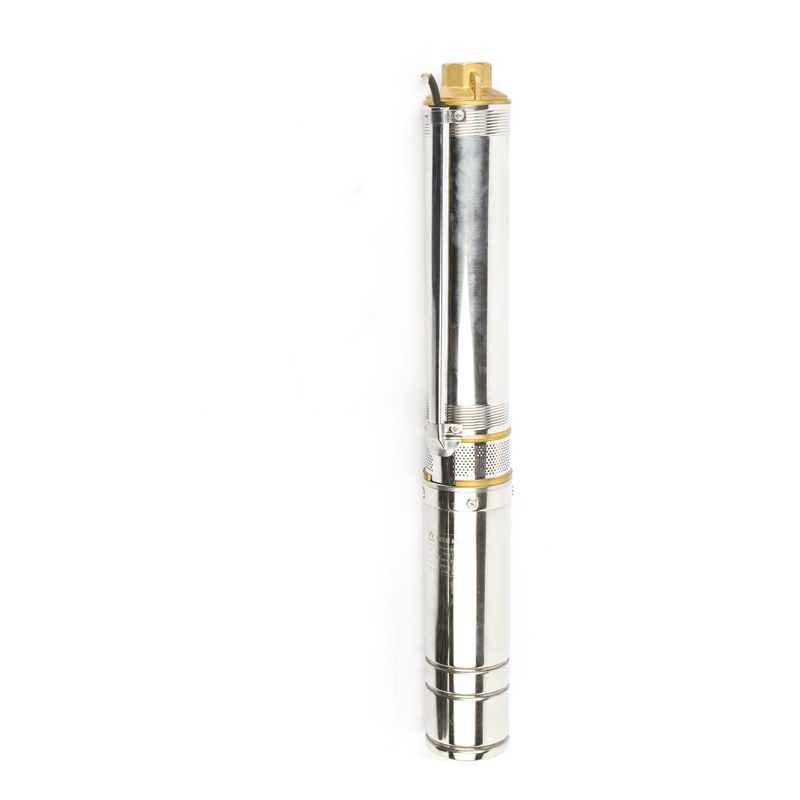
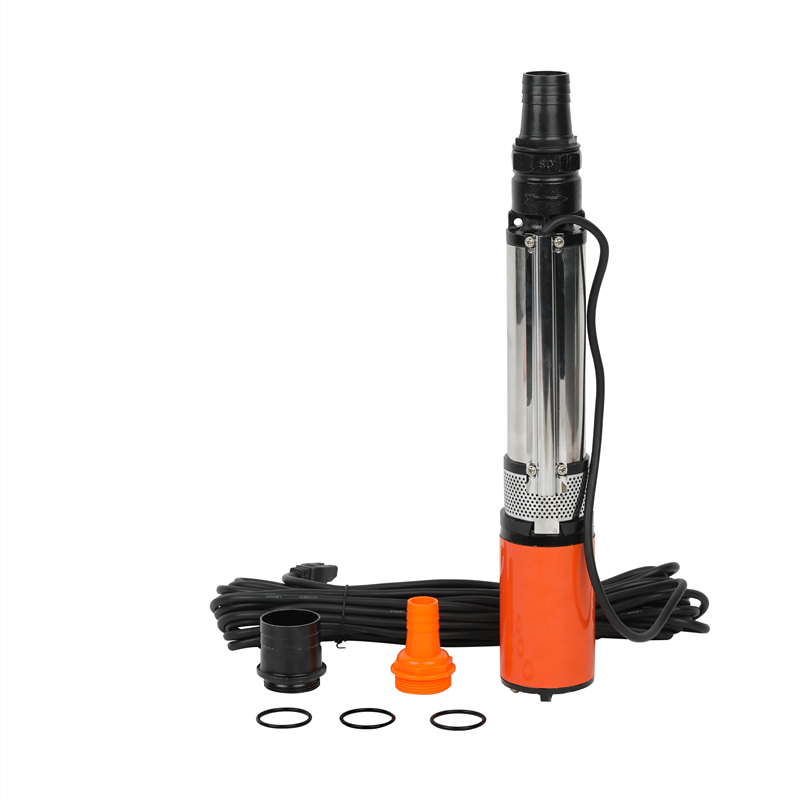
Deep well pumps  are essential  components in various industrial applications, allowing for the efficient extraction of  groundwater  from  deep underground sources.  For bulk  buyers, such as  purchasing  managers  and engineers, understanding the nuances  of deep well  pumps is  crucial for making  informed procurement decisions. This article will delve into key specifications, best practices, common  problems,  cost factors, and applications  related  to deep well pumps,  providing valuable insights for  wholesale buyers. Additionally, exploring options like Solar Pumping Systems can also be beneficial for various applications.
Best Practices and Tips

Best Practices and Tips

To maximize the performance and longevity of deep well pumps,  wholesale buyers should adhere to several best  practices:

Conduct Thorough Research: Understand the specific applications  and requirements of your project before  selecting a pump.  Research  different manufacturers  and  their offerings to find the best match.

Request Samples: Prior to  mass orders, request samples  to evaluate performance under actual operating conditions. This helps confirm  that the pump meets the necessary specifications and quality standards.


Inspect Installation Conditions: Ensure that the installation site  is prepared  and meets all environmental and  operational requirements. Proper installation is key to minimizing  future maintenance needs.

Regular Maintenance: Implement a scheduled maintenance plan to monitor  pump performance and identify potential issues before they escalate. Routine checks can extend the  life of the pump and optimize its operation.

Training for Operators: Provide adequate training for personnel responsible for operating and maintaining  the pumps. Well-trained staff can effectively manage  the pumps and troubleshoot minor issues before they become major problems.

By following these practices, buyers can enhance the reliability and efficiency of their deep well pump systems.
Common Problems with Deep Well Pumps and Effective Solutions

Common Problems with Deep Well Pumps and Effective Solutions

Deep well pumps can encounter several common issues that affect their performance. Understanding these problems and their solutions can help buyers mitigate risks:

Cavitation: This occurs when vapor bubbles form  in the pump, leading  to  reduced efficiency and  potential damage. To prevent cavitation, ensure that the pump is  correctly sized for the application and that the well has enough water supply.


Overheating: Overheating can  result from prolonged operation  at high capacities or insufficient cooling. Ensure that the pump is operated within its rated capacity and consider implementing cooling systems if necessary.

Mechanical Failures: Bearings  or seals may degrade over time, leading to leaks or pump failure. Regular maintenance and timely replacement of worn components can  prevent these issues.

Electrical Failures: Issues with the power supply  or electrical  components can  disrupt  operation. Ensure that electrical systems are regularly inspected  and that the pump’s power requirements are met.

Blockages: Sediment or debris can accumulate in the pump, leading to  reduced flow  or pump failure. Regular monitoring and cleaning of the  well  can help prevent these blockages.

By addressing these common problems proactively,  buyers can ensure the efficient operation of their deep well pumps.

Understanding the Cost Factors of Deep Well Pumps for Bulk Orders

Understanding the Cost Factors of Deep Well Pumps for Bulk Orders

When considering bulk orders of deep  well pumps, several cost  factors  should be evaluated to ensure a  favorable purchasing decision:

Base Price:  The initial cost of the pump is a significant factor, but it’s important  to consider  the specifications and features included in that price.

Customization Costs: If specific modifications or  customizations are needed, this can increase  the overall cost. Buyers should discuss customization options with suppliers and obtain a detailed quote.

Shipping and Handling: Consider the  logistics of transporting the pumps from the manufacturer to the installation site. Shipping  costs can vary based on distance, weight, and packaging.

Installation Expenses: Factor in  the costs associated with installation, including labor and any additional materials required.  Proper installation is crucial for the long-term success of the pump.

Operational Costs:  Assess the expected energy consumption of the pump, as this will impact overall operating costs. Higher efficiency models may have a higher upfront cost but can save money in the long run.

Maintenance Costs: Regular  maintenance is essential for optimal performance. Consider the costs associated  with scheduled maintenance and potential repairs over  the pump's  lifespan.

By  understanding these  cost factors, buyers can better evaluate the total cost of ownership and make informed decisions regarding bulk purchases.

Applications of Deep Well Pumps in Various Industrial Settings

Deep well pumps serve a wide range of applications across different industries, demonstrating their versatility and importance:

Agriculture: Used for irrigation and water supply in farming operations, deep well pumps help farmers  manage water resources effectively.

Mining: In mining operations, these  pumps are essential for dewatering and ensuring that work areas remain safe  and dry.

Construction: Deep well pumps are  utilized in  construction  sites to manage groundwater levels, allowing for safe excavation  and foundation work. For example, Construction & Drainage Pumps are often used in these scenarios.

Municipal  Water  Supply: Many municipalities rely  on deep well pumps to provide potable water to communities, ensuring a reliable supply of clean water.

Industrial Processes: Various industries, including manufacturing and food processing, utilize deep well pumps for water supply and cooling processes.


Environmental Applications: Deep well pumps can also be used in environmental  monitoring and remediation projects, helping to  manage contaminated groundwater.

By recognizing the  diverse applications of deep well pumps, buyers can better  understand their potential  uses and choose pumps that best suit their specific needs. 

In summary, deep well pumps are critical components for numerous applications, and understanding their specifications, best practices, common issues, cost factors, and applications ensures  that buyers  can make informed  purchasing decisions that meet their operational needs effectively.

Key Specifications to Evaluate in Deep Well Pumps for Wholesale Buyers

When evaluating deep well pumps, several key  specifications should  be considered to ensure optimal performance and compatibility with specific applications.

Capacity and Flow Rate: This indicates how much water the pump can deliver over a specific time, typically measured in gallons per minute (GPM). Buyers should assess their requirements to avoid under or  over-specifying the pump's capabilities.

Material Composition: The materials used in the pump, such as stainless steel or thermoplastic, affect durability and resistance to corrosion, especially in harsh environments. Selecting  the right material ensures long-term performance and reliability.

Pump Depth and Size: The depth of the well and the physical dimensions of the pump must match to ensure  proper installation and operation.  Buyers should  verify that the pump can function effectively at the required depth and ensure  it fits within the well casing.

Power Requirements:  Understanding the power needs, such as voltage and phase, is critical for compatibility with existing electrical  systems. Buyers should confirm these specifications  to avoid  operational issues post-installation.

Efficiency  Ratings: Higher efficiency  pumps can lead to significant energy savings, making it essential to evaluate the pump's energy consumption relative to  its output.

Certifications: Ensure that the pump meets relevant international standards and certifications, which can indicate quality and reliability in performance.


By  focusing on these specifications, buyers can make  informed decisions that align  with their project  requirements and operational needs. Furthermore, considering additional resources such as Water Pump Accessories can enhance the overall setup.

Get a Professional Sourcing Quote

Our pump experts will review your request and reply within 12 hours.
Choose Your Needs Optional Business Type
Customization Requirements Optional
Email
Name
Company Name & Website
Message
0/1000

Related product categories