Key Specifications for Electric Pumps in Industry

Get a Professional Sourcing Quote

Our pump experts will review your request and reply within 12 hours.
Choose Your Needs Optional Business Type
Customization Requirements Optional
Email
Name
Company Name & Website
Message
0/1000

electric pumps

Electric  pumps are essential components in  various  industrial and  commercial applications,  providing reliable fluid  transfer and management. When sourcing electric  pumps, buyers often  have concerns about  specifications, supplier reliability, cost factors, and  application suitability. This article will explore key specifications to  consider,  how to  choose  reliable suppliers, cost  factors for wholesale purchases, best practices for  procurement, and  the  material advantages  of electric pumps for industrial use.
How to Choose Reliable Suppliers for Electric Pumps

How to Choose Reliable Suppliers for Electric Pumps

Selecting a trustworthy supplier for electric pumps is crucial for ensuring quality and reliability. Here are some best practices to consider:

Experience  and Reputation: Look for suppliers  with a proven track record in the industry. Companies with years of experience, like Larissa  Motor, often have established quality control processes and a  better understanding  of customer needs.

Certifications and Compliance: Verify if the supplier complies with international standards and certifications relevant to the electric pumps  industry. This can include ISO  certifications or adherence to specific regional regulations, which indicate a commitment to quality.

Customization Capabilities: Assess  the supplier’s ability to provide  customized solutions. Suppliers who can adapt their products to meet unique operational requirements can offer significant advantages,  especially  for specialized applications.

Technical Support: Choose suppliers who provide robust  technical support. This includes  assistance with product selection, installation guidance, and troubleshooting. A responsive support  team can be invaluable for addressing issues quickly.

Customer Reviews  and References: Seeking feedback from  previous customers  can provide insight into the supplier’s reliability, product quality, and service levels.  Positive testimonials can be a  strong indicator of a supplier’s credibility.
Understanding Cost Factors for Wholesale Electric Pumps

Understanding Cost Factors for Wholesale Electric Pumps

Several factors  influence the pricing of electric pumps in wholesale  transactions. Understanding these can help buyers negotiate  better terms:

Material Costs: The  choice of materials directly affects the pump price. High-performance materials may  come at a premium but  can provide longer service life and  reduced maintenance costs. For example, the DC CPM Centrifugal Water Pump for Solar Irrigation & Agricultural Water Transfer is designed with high-quality materials to ensure durability.

Design Complexity: Custom-designed  pumps may incur higher manufacturing costs due to specialized tooling and additional engineering time. Buyers should weigh the long-term benefits against the upfront costs.

Production Volume: Many manufacturers offer discounts for bulk orders or long-term  contracts.  Buyers should consider their inventory needs and potential volume to  negotiate favorable pricing.

Market Demand and Supply  Chain Factors: Fluctuations in demand,  supply chain  disruptions, or changes in raw material costs can affect pricing.  Staying informed about  market  trends can help buyers make timely  purchasing decisions.

Shipping and Handling Costs: Consider logistics costs,  including shipping, packaging, and delivery times. Effective communication with suppliers regarding shipping options can help optimize overall costs.

Best Practices

Best Practices

Implementing best practices in procurement  can streamline  the purchasing  process for  electric pumps:

Define Requirements Clearly: Before reaching  out to suppliers, outline specific requirements, including specifications, application details, and expected performance. This clarity will aid in obtaining accurate quotes.

Request  Samples: Whenever possible, request samples to test under actual operating conditions. This  step can verify compatibility  with existing systems and help identify any potential issues  before mass production.

Establish Quality Control Protocols:  Develop  a  quality inspection checklist  that includes criteria for evaluating pump performance, material integrity, and compliance with specifications. This ensures that received products meet expectations.

Maintain Open Communication: Foster transparent communication with suppliers throughout the  procurement process. Regular updates on project timelines, changes in specifications, or potential delays can prevent misunderstandings.

Document Everything: Keep  detailed  records of all  communications, agreements, and  specifications. Proper documentation can serve as a reference point for future orders  and help resolve disputes if they arise.

Material Advantages of Electric Pumps for Industrial Use

Electric  pumps offer several material advantages that make them particularly suitable  for industrial applications:

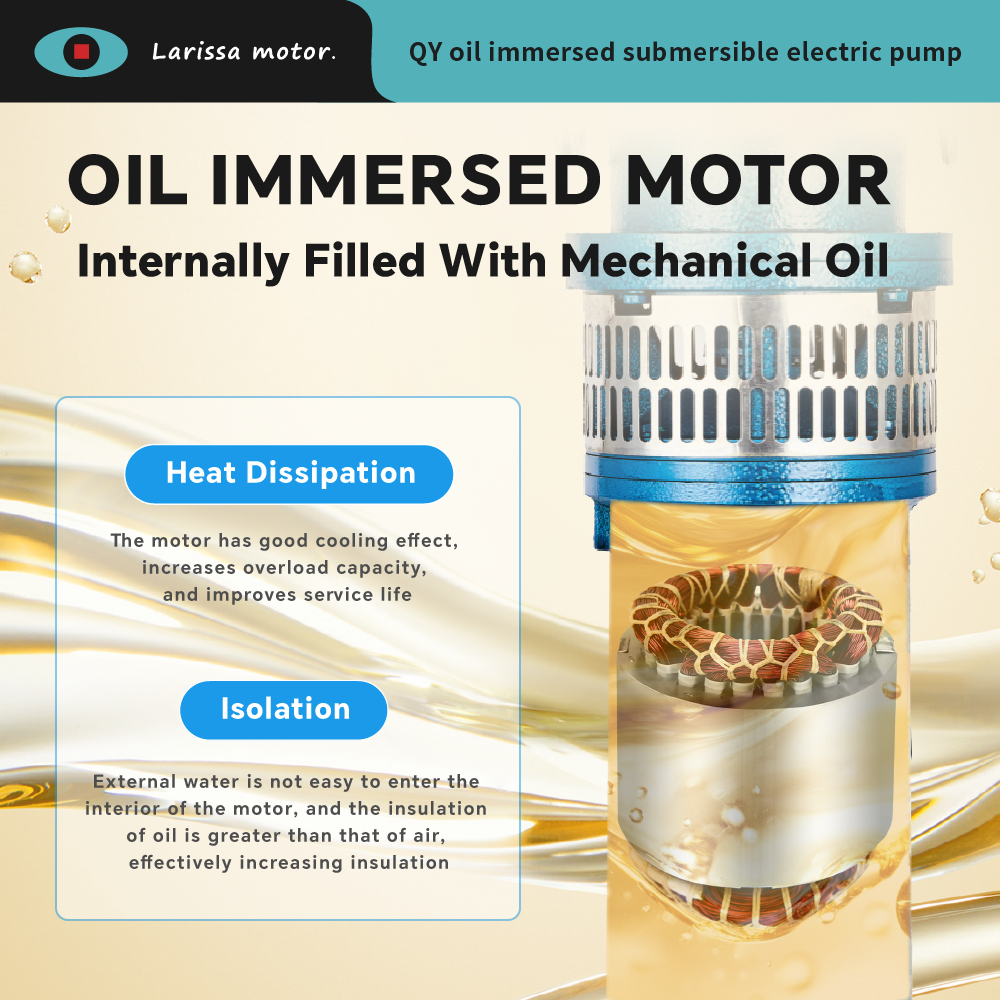
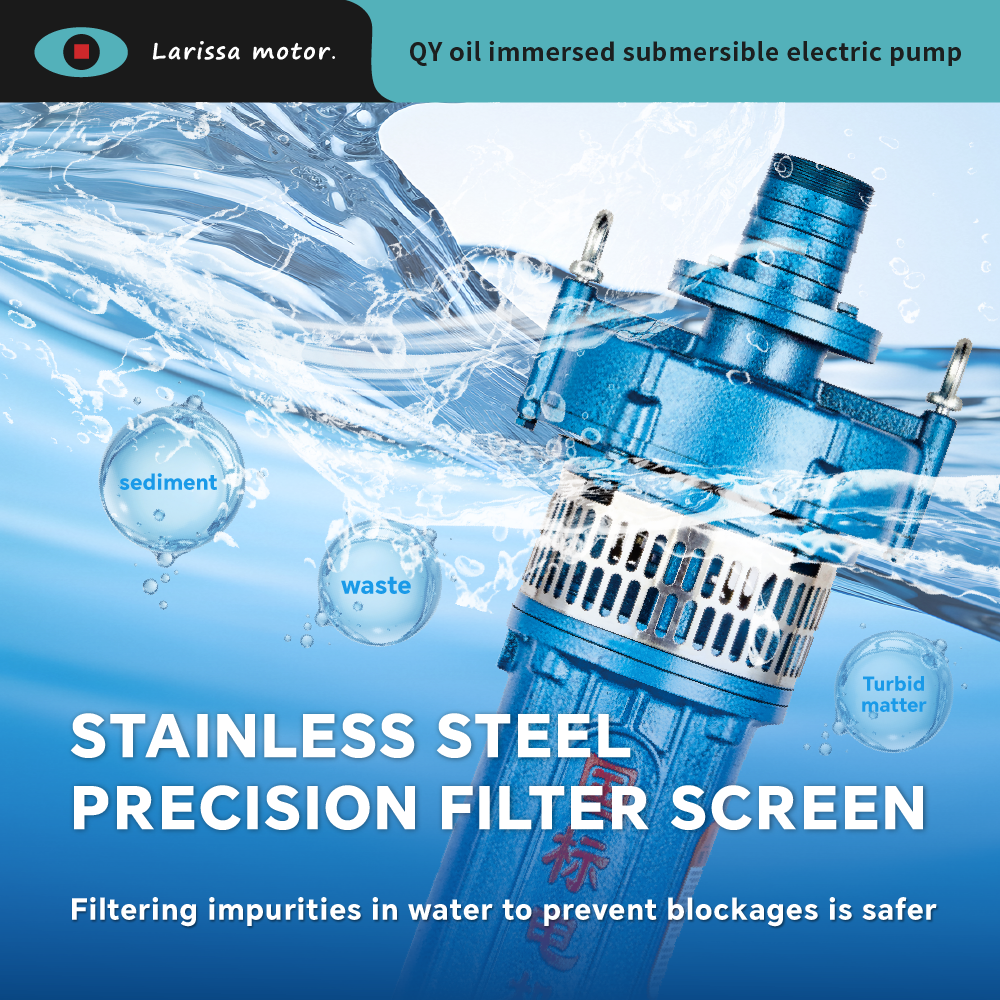
Corrosion Resistance: Many electric  pumps are  constructed from materials such as stainless  steel or specialized plastics that resist  corrosion, enhancing  longevity in harsh environments where exposure to chemicals or moisture is common.

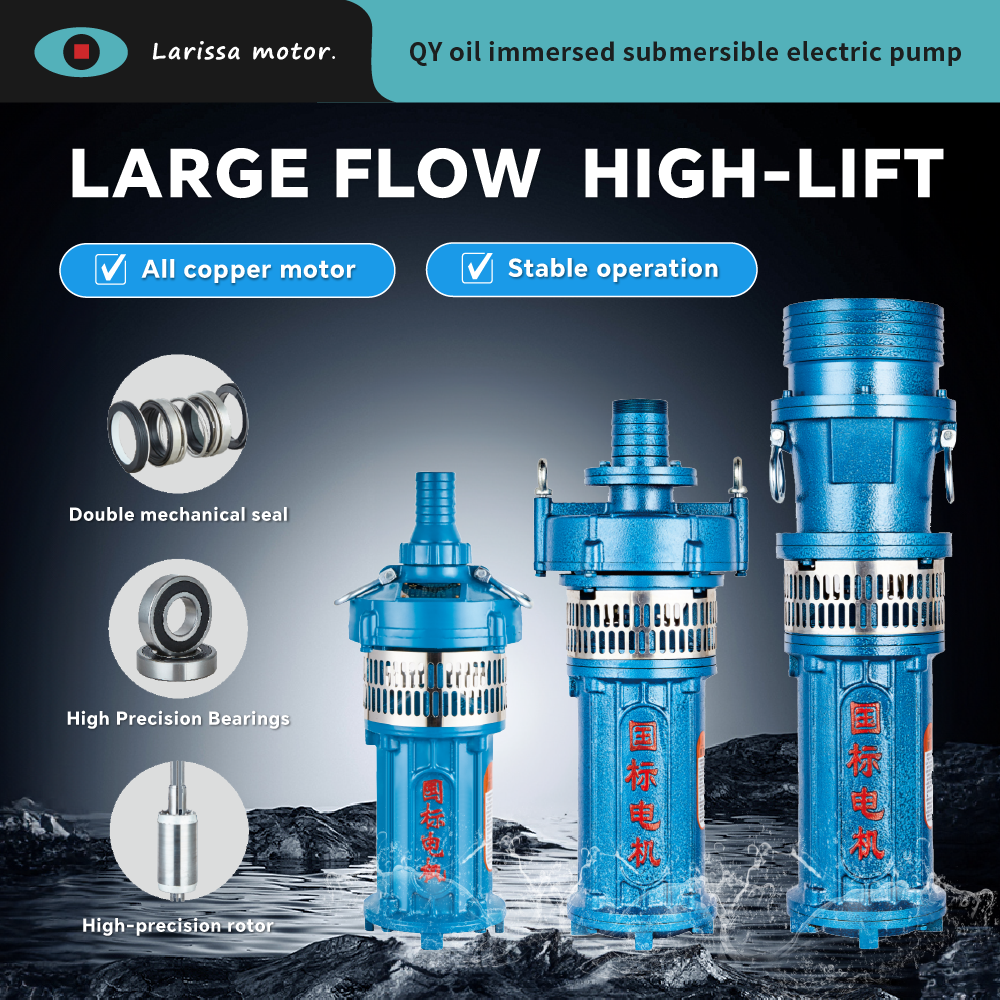
Durability: Well-engineered electric pumps are designed to withstand high operational stresses  and are often tested for  durability.  This durability can lead to lower maintenance costs and reduced downtime.

Customization of  Materials: Manufacturers like Larissa Motor  can customize pumps based on specific  application needs, allowing for tailored solutions that address unique challenges such as high temperatures or abrasive fluids. For instance, the Solar Powered Deep Well Submersible Pump for Off-Grid Water Supply & Irrigation is an example of a customized solution.

Efficiency in Design: Advanced design techniques enable the production of electric pumps that maximize fluid movement while minimizing energy consumption. This efficiency is crucial for industrial applications where operational costs are closely monitored.

Ease  of Maintenance: The  use of standardized materials and components can simplify maintenance processes, reducing the time and cost associated with service interventions.

By understanding these specifications, supplier selection  criteria, cost factors, best practices, and material advantages,  B2B buyers can  make informed  decisions regarding electric pumps, ensuring they meet their operational needs effectively and efficiently.

Key Specifications for Buyers

When evaluating electric pumps, several key specifications  should be considered to  ensure optimal  performance for your specific application.

Flow Rate: This indicates how much fluid the pump can move within a given time. It is typically  measured  in liters per minute (L/min) or gallons per minute (GPM). Buyers should  assess their operational needs to select a pump with an appropriate flow rate to meet system demands.

Pressure Rating: The pressure rating, often expressed in pounds per square inch (PSI) or  bar, reflects the maximum  pressure the pump can handle.  Ensure the selected pump can operate efficiently within the pressure  requirements of your application to avoid failures.

Power Consumption: This specification, typically measured in  watts, indicates how much energy the pump will require during operation.  Efficient pumps can lead  to cost  savings in  energy bills, making it essential for buyers to consider the power consumption  relative to the pump's performance.

Material Composition: The materials used in the pump construction, such as stainless steel, cast iron, or thermoplastics, affect durability, corrosion resistance, and compatibility with various fluids. Assessing the chemical properties of the fluids being pumped will help in selecting the right materials.

Motor Type: Electric pumps can employ different motor types, such as AC  or DC motors. The choice may depend on the application environment and electrical supply  availability. Understanding the operational environment will guide buyers to choose a motor type  that  ensures reliability.

Get a Professional Sourcing Quote

Our pump experts will review your request and reply within 12 hours.
Choose Your Needs Optional Business Type
Customization Requirements Optional
Email
Name
Company Name & Website
Message
0/1000

Related product categories