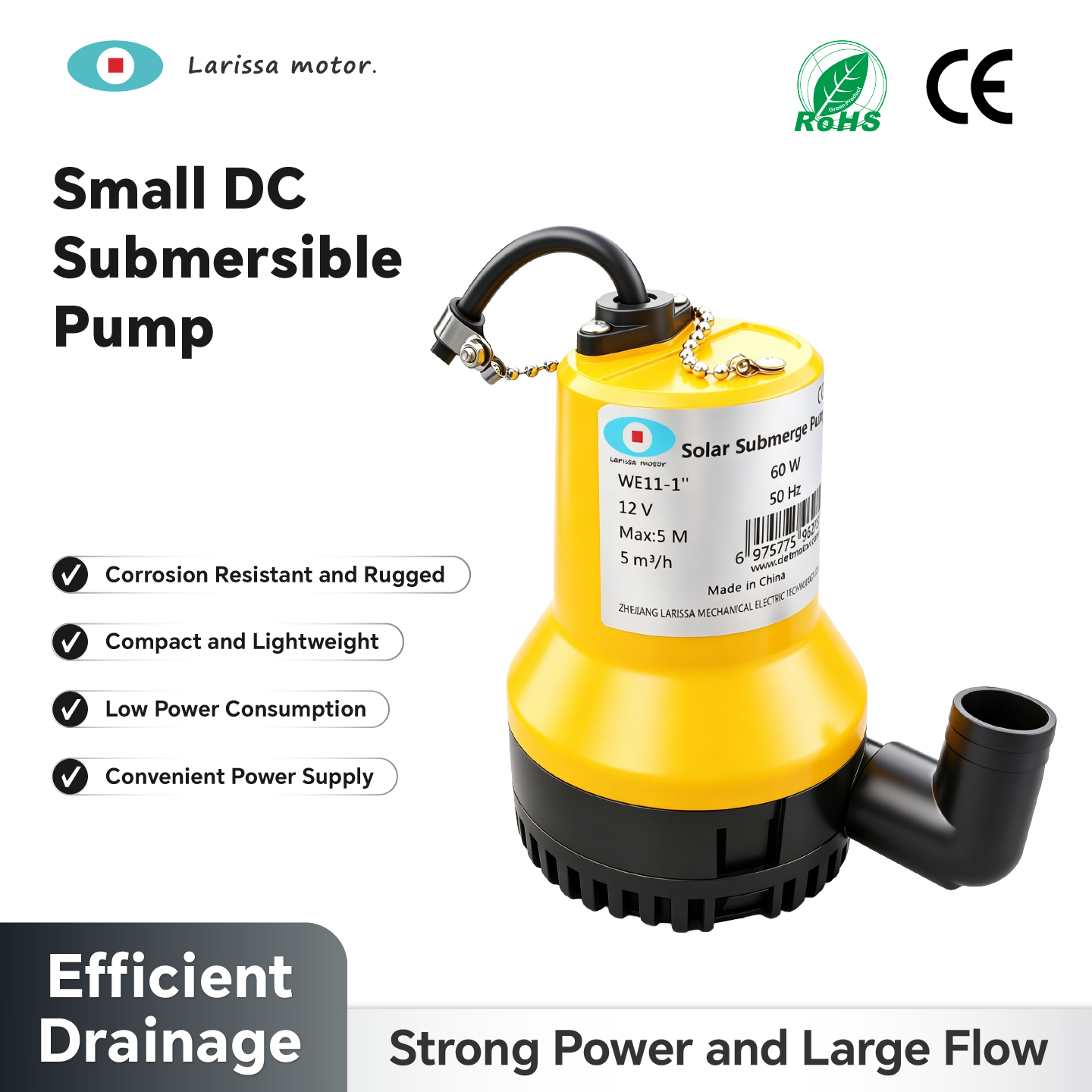
Key Features of Solar Powered Water Pumps

Get a Professional Sourcing Quote

Our pump experts will review your request and reply within 12 hours.
Choose Your Needs Optional Business Type
Customization Requirements Optional
Email
Name
Company Name & Website
Message
0/1000

solar powered water pump for water feature

Solar powered water pumps for water features offer an  eco-friendly solution for  enhancing outdoor aesthetics while efficiently  managing water circulation. As a  B2B buyer,  you  may have  concerns  about product specifications, quality  assurance, and installation  processes.  This article will provide  you  with essential  insights into evaluating solar powered water  pumps, key  specifications to consider, cost factors  for bulk sourcing, installation guidance, and the unique  features and  benefits that these pumps  offer. For those interested in sustainable options, consider exploring Solar Pumping Systems as an alternative.
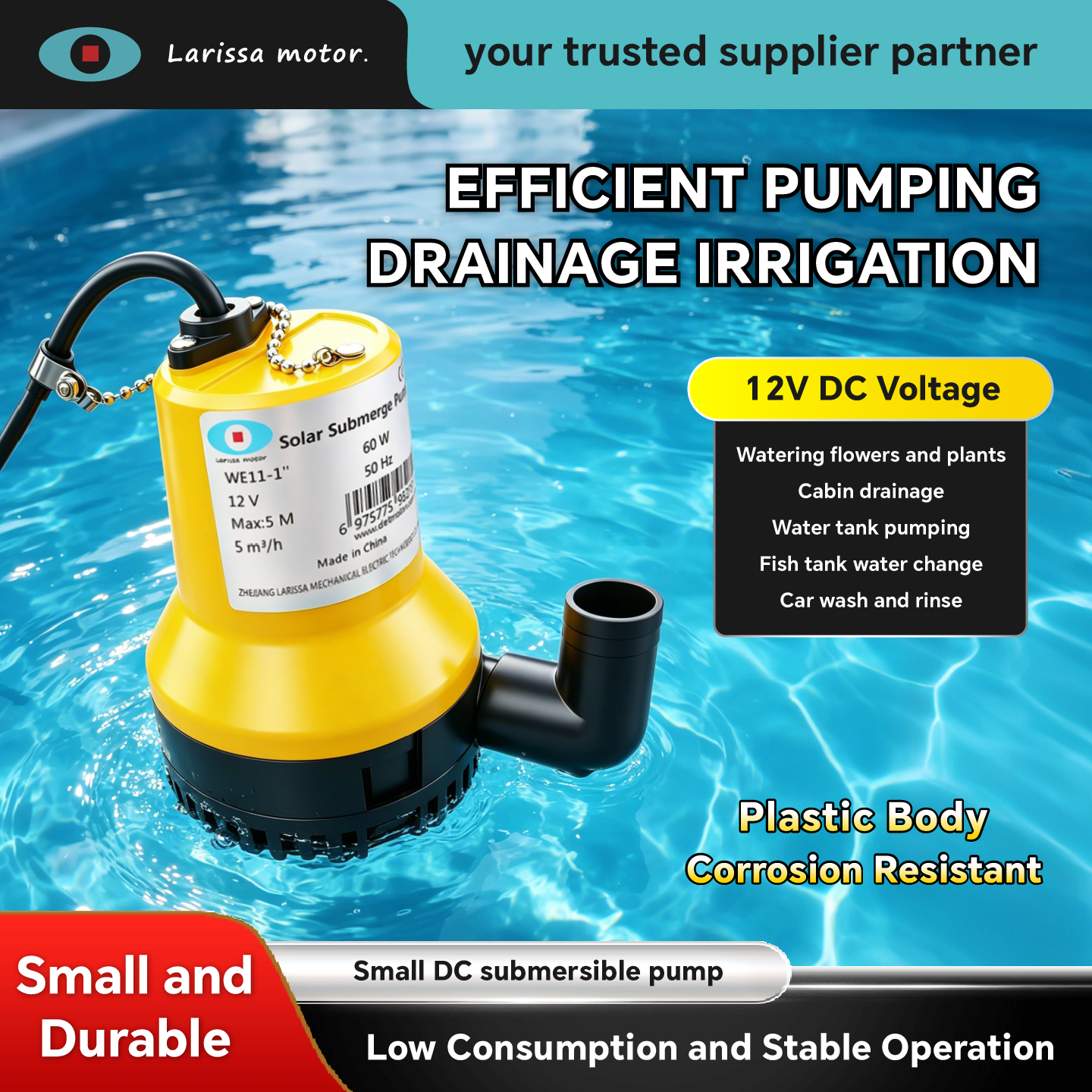
How to Evaluate the Quality of Solar Powered Water Pumps

How to Evaluate the Quality of Solar Powered Water Pumps

Quality evaluation of solar powered water pumps entails several critical steps:

Certifications: Check for relevant certifications  that indicate compliance with international standards. This  includes certifications  for safety  and  performance,  which can  reassure you of the pump's  reliability.


Material Quality: Inspect the materials used in the pump’s construction. High-quality materials will enhance durability and reduce the likelihood of corrosion or damage over  time.

Performance Testing: Request performance data or case studies from the manufacturer. This can provide insights into how the pump performs in real-world applications, helping you assess its reliability.

Warranty and  Support: A robust warranty indicates  confidence in  product quality. Ensure the manufacturer offers adequate support and a clear  process for addressing  any issues  that may  arise.

Customer Reviews and Feedback: Research customer  testimonials and feedback to gauge the performance and reliability of the pump in various applications.

Evaluating these factors will  help you make an  informed purchasing decision and select a high-quality solar powered water pump.
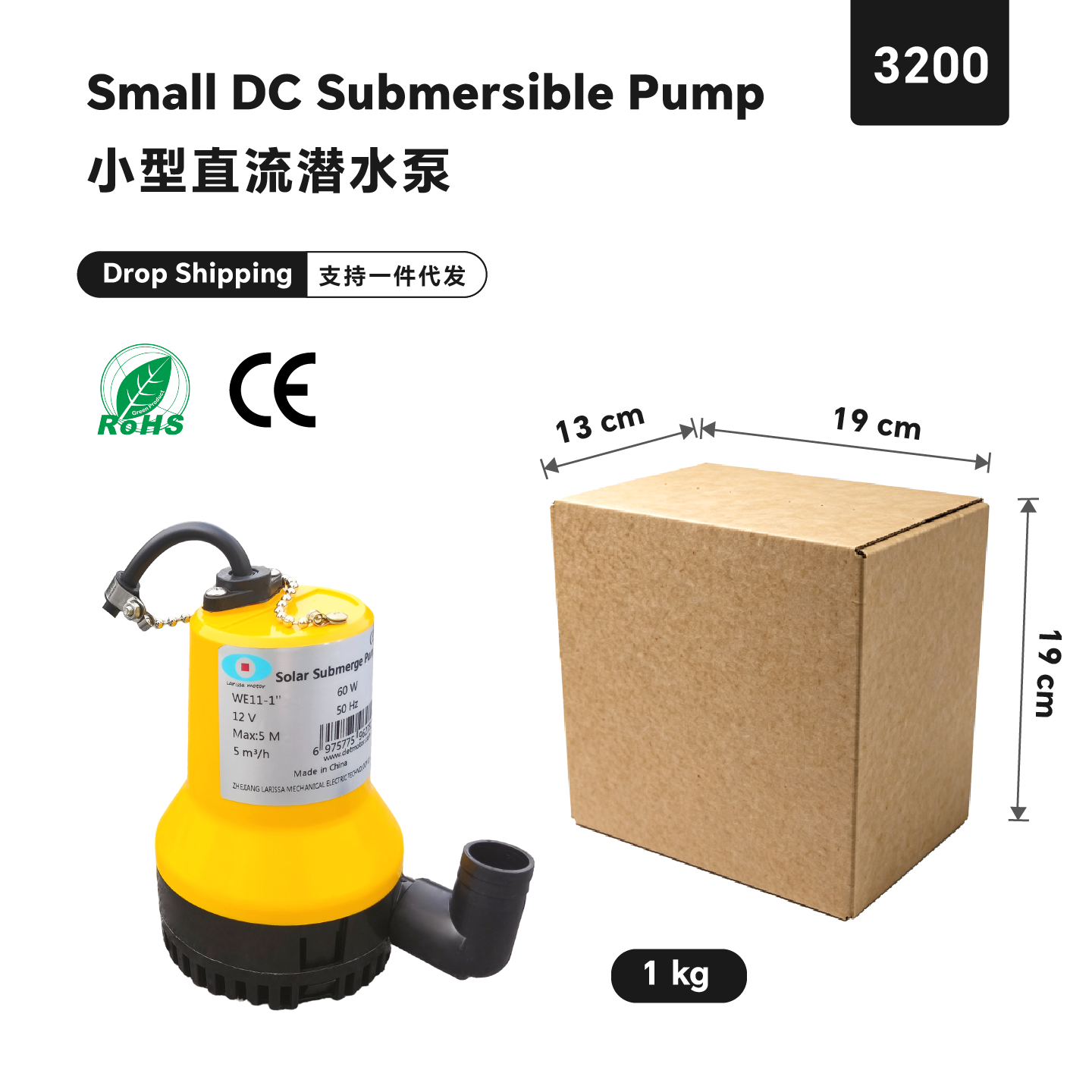
Cost Factors When Sourcing Solar Powered Water Pumps in Bulk

Cost Factors When Sourcing Solar Powered Water Pumps in Bulk

Understanding the  cost  factors involved in sourcing solar  powered water pumps in bulk is essential for budget planning:

Unit Price: The base price per pump can vary  based on specifications, materials, and brand  reputation. Bulk  orders  typically qualify for  discounts, so it’s beneficial to inquire about pricing tiers.

Shipping Costs: Consider the logistics of transporting the pumps to  your location. Shipping costs can fluctuate  based  on distance, weight, and urgency. Confirm these costs early in the procurement process.

Customs and  Import Fees:  If  sourcing from  international manufacturers, be aware of any customs  duties or import fees that may apply. These can significantly affect the overall cost.

Minimum Order Quantity (MOQ):  Manufacturers often have an MOQ  that buyers must meet to complete an order. Ensure you can meet this requirement to avoid delays or increased costs.

Payment Terms: Discuss payment terms with the supplier, as different arrangements can impact cash flow and the overall  cost of acquisition.

By understanding these cost factors, you can better manage your budget and make  strategic purchasing decisions.

Installation Guidance for Solar Powered Water Pumps in Water Features

Installation Guidance for Solar Powered Water Pumps in Water Features

Installing a solar powered  water pump involves several steps to ensure optimal performance:

Site Preparation: Choose  a  location that receives ample sunlight throughout  the day for the solar panel. Ensure that the  area is clear of obstructions that could block sunlight.

Mounting the Solar Panel: Securely mount the solar panel at  an angle that maximizes  exposure to sunlight. Most panels come  with mounting brackets that allow for adjustable angles.

Connecting  the Pump: Follow the manufacturer’s instructions for connecting the pump to the  solar panel and any additional components, such as a battery  or controller. Ensure all  connections are  secure to prevent  water ingress.

Testing the System: Once installed, test the system to ensure that the pump is functioning correctly. Check the flow rate and lift height to confirm they meet specifications.

Regular Maintenance: After installation, perform regular maintenance checks to  clean the solar panel, inspect  connections, and ensure the pump operates  smoothly throughout the seasons.


Proper installation and  maintenance will enhance the longevity and efficiency of your solar powered water pump.


Features and Benefits

Solar powered water pumps for water features come with several unique  features and benefits:


Eco-Friendly:  These pumps utilize renewable solar energy, reducing reliance on electricity from the grid  and  lowering operational costs.


Versatile Applications: They are  suitable for various applications, including fountains, ponds, and irrigation systems, making  them adaptable to different  project needs.

Low Operating Costs: Once installed, solar powered pumps incur minimal ongoing costs, as they rely on sunlight rather than fuel or electricity.

Customization Options: Many manufacturers, including Larissa  Motor, offer customization options to suit specific  project requirements, ensuring that the pump meets your exact needs.

Easy  Installation: With  no need  for complex electrical  setups, solar powered pumps are  generally  easier to install than traditional pumps, reducing labor costs.

Solar powered water pumps for water features provide an efficient, sustainable, and versatile solution for various applications.  By understanding the key specifications, evaluating quality, considering cost factors, following installation guidance, and recognizing their unique  benefits, you can make informed decisions that enhance your outdoor projects.

Key Specifications of Solar Powered Water Pumps for Water Features

When selecting a solar powered water pump for  a water feature,  several key specifications must be considered:

Flow Rate: This is a measure of how  much water the pump can move in a given  time, typically expressed in gallons per hour (GPH).  The flow rate should  be matched to the size of your water feature to ensure optimal operation.

Lift Height: The lift height refers to the maximum vertical distance the pump can move water. It's crucial to choose a pump with an adequate  lift height that aligns with your installation requirements.

Power Source: Solar powered pumps typically come with solar panels that convert sunlight into electricity. Check the wattage of the solar panel to ensure it provides sufficient power for your pump, especially  in regions with  variable sunlight.

Material: The housing and components of the  pump should be made from durable, weather-resistant materials to withstand outdoor  conditions. Materials like stainless steel or  high-grade plastic are commonly used for their longevity.


Battery Capacity: If the pump  is equipped with a battery, consider its capacity  and charging time.  A larger  battery can  store more energy, allowing the pump to operate during cloudy  days or at night. Additionally, look into Water Pump Accessories that may enhance the functionality of your pump.

Understanding these specifications will help you  select a solar powered water pump that meets your specific needs and operates efficiently.

Get a Professional Sourcing Quote

Our pump experts will review your request and reply within 12 hours.
Choose Your Needs Optional Business Type
Customization Requirements Optional
Email
Name
Company Name & Website
Message
0/1000

Related product categories