EN
EN
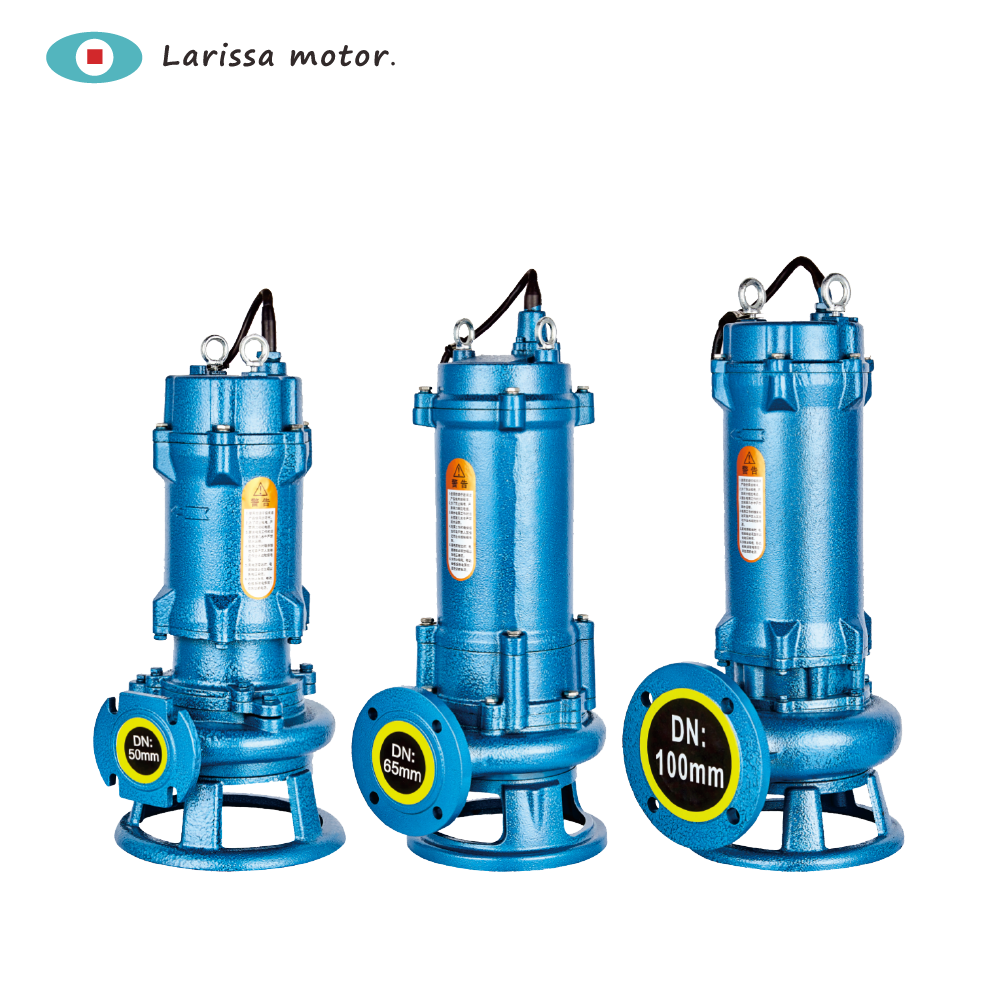
Harbor Freight sump pumps are essential tools for managing water removal in various industrial and commercial applications. As a B2B buyer, understanding the specifications, quality evaluation, and applications of these pumps is crucial for making informed purchasing decisions. This article will guide you through the key specifications of Harbor Freight sump pumps, how to evaluate their quality, their top applications in industrial settings, and how to find reliable suppliers.
How to Evaluate the Quality of Harbor Freight Sump Pumps
Evaluating the quality of Harbor Freight sump pumps is essential to ensure they will perform reliably in your application. Here are some crucial factors to consider:
Certifications: Look for certifications that indicate adherence to safety and performance standards. While specific certifications may vary, compliance with international standards can reflect the manufacturer’s commitment to quality.
Material Quality: Assess the materials used in the construction of the sump pump. High-quality materials like cast iron provide better durability and resistance to wear compared to lower-grade alternatives.
Performance Testing: Inquire whether the pumps have undergone rigorous performance testing. Understanding how the pumps perform under various conditions, such as high water flow rates or prolonged operation, can provide insights into their reliability.
Warranty and Support: A robust warranty and responsive customer support are indicators of a manufacturer’s confidence in their product. Ensure that comprehensive warranties cover parts and labor, as this can protect your investment.
User Reviews and Case Studies: Seek feedback from other users or case studies that demonstrate the pump’s performance in real-world applications. This feedback can help identify potential issues and confirm the pump’s operational efficacy.
By focusing on these quality indicators, you can make informed decisions that enhance operational efficiency and reduce the risk of costly downtime.