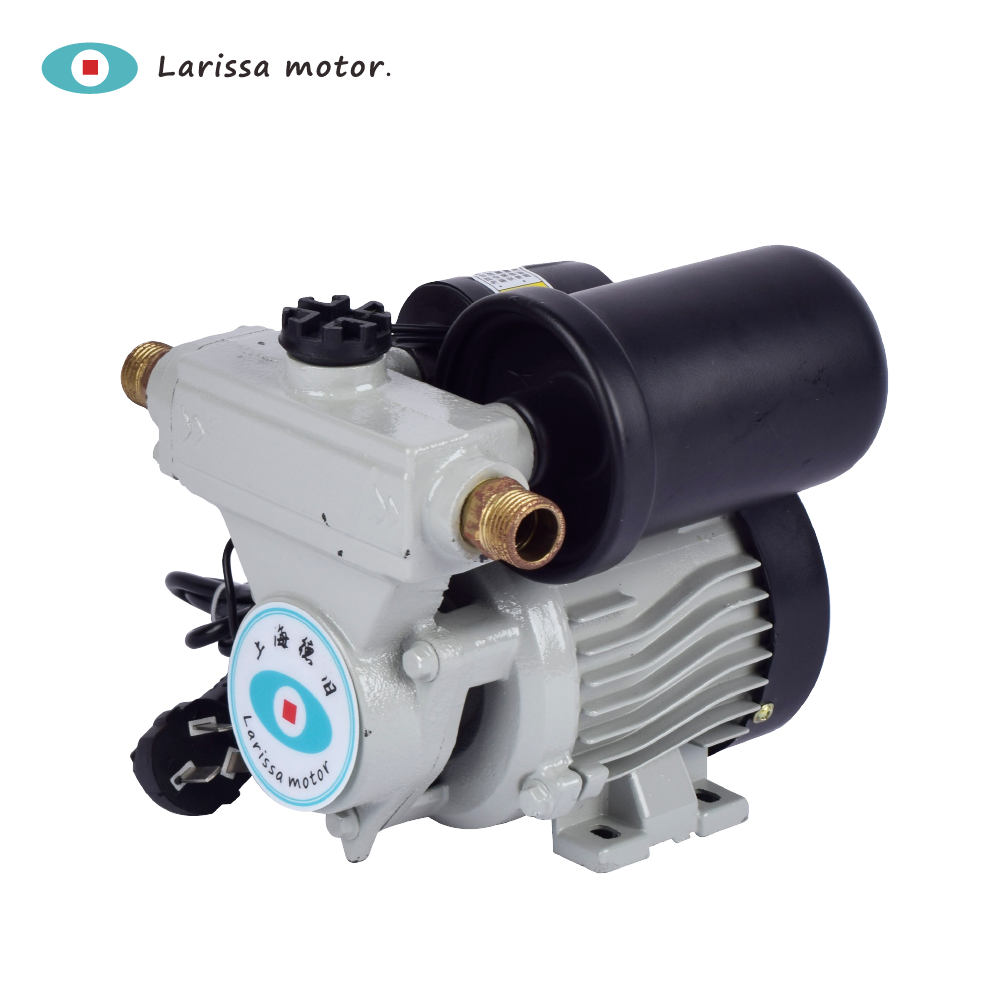
Pressure Water Pumps for Home Applications

Get a Professional Sourcing Quote

Our pump experts will review your request and reply within 12 hours.
Choose Your Needs Optional Business Type
Customization Requirements Optional
Email
Name
Company Name & Website
Message
0/1000

pressure water pump for home

Choosing&nbsp; the&nbsp; right pressure&nbsp; water pump for home&nbsp; applications involves&nbsp; understanding various&nbsp; features, specifications, and the&nbsp; manufacturing quality behind the products. As a&nbsp; B2B buyer,&nbsp; you may have concerns about&nbsp; reliability, performance, and compatibility with&nbsp; existing systems.&nbsp; This&nbsp; article will help you navigate the&nbsp; complexities of&nbsp; selecting the&nbsp; ideal pressure water pump for your needs, from&nbsp; sourcing&nbsp; options to&nbsp; understanding cost&nbsp; factors and installation challenges.</p>
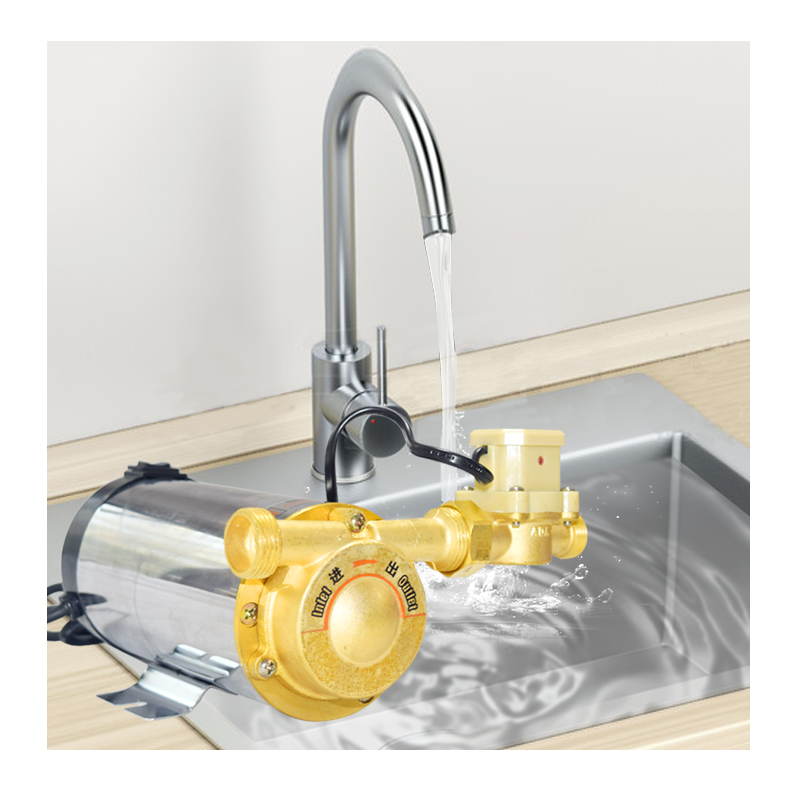
Where to Source Reliable Pressure Water Pumps in Bulk for Your Business

Where to Source Reliable Pressure Water Pumps in Bulk for Your Business

Understanding the key specifications of&nbsp; pressure water pumps is vital for&nbsp; making an informed purchase. Some important factors to consider include:

Flow Rate: Measured in liters per minute (L/min) or gallons per minute (GPM), this indicates how quickly the pump&nbsp; can deliver water.&nbsp; Ensure the flow rate matches the requirements of your home&nbsp; system.

Pressure Rating: Typically expressed in psi&nbsp; (pounds&nbsp; per square inch), this determines the pump's ability to overcome resistance in your plumbing system. Selecting a pump with a suitable pressure rating is crucial to avoid issues such as inadequate water pressure or damage to fixtures.

Power Supply: Check whether the pump operates&nbsp; on AC&nbsp; or DC&nbsp; power, and ensure it&nbsp; matches your electrical system. Also, consider the wattage, as this impacts energy consumption and efficiency.

Material Construction: Pumps are often made from materials such as stainless steel or high-grade plastic. The material can influence durability and resistance&nbsp; to corrosion, especially in environments with&nbsp; varying water quality.

Noise Level: For&nbsp; residential applications, the noise produced by&nbsp; the pump during operation is a significant&nbsp; consideration. Look for models designed&nbsp; for quieter performance to minimize disruption.


By evaluating these specifications, buyers&nbsp; can ensure compatibility&nbsp; with their existing systems and long-term performance.
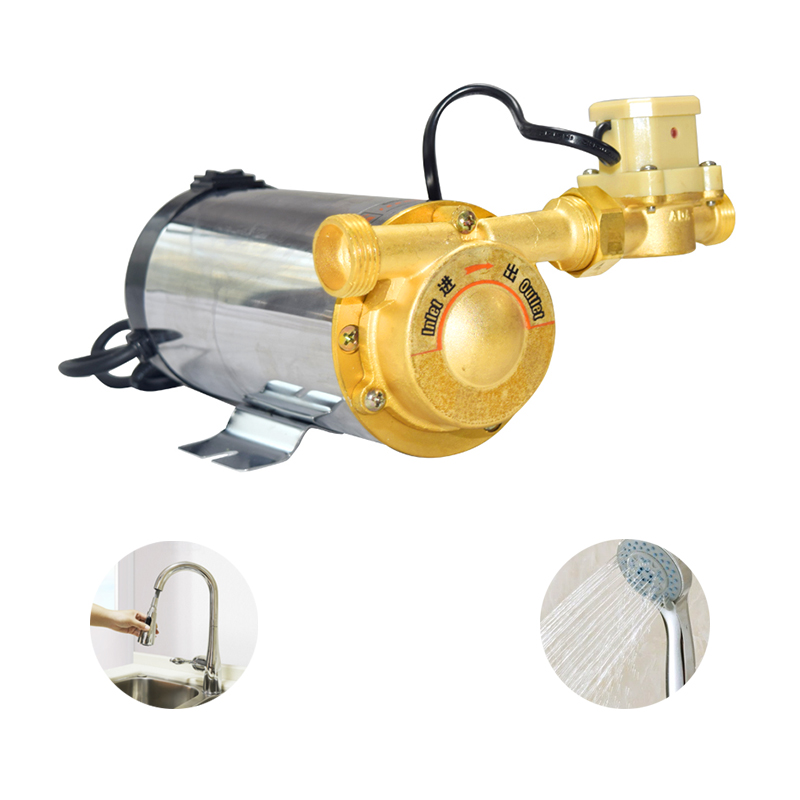
Pressure Water Pumps for Home Applications

Pressure Water Pumps for Home Applications

Installing a pressure water pump&nbsp; can present several challenges.&nbsp; Here are some common issues and their&nbsp; solutions:

Incorrect Sizing: One of&nbsp; the most frequent mistakes is selecting a pump that is not appropriately sized for the application. A pump that is too small&nbsp; may not&nbsp; meet demand, while an oversized pump can lead to excessive energy consumption and potential damage. Conducting&nbsp; a thorough analysis of your water usage needs and consulting with the supplier can help avoid this issue.

Air Lock&nbsp; Issues:&nbsp; Air locks can prevent water from flowing&nbsp; through&nbsp; the pump, leading to operational failure. To mitigate this, ensure proper venting during installation. Some pumps have built-in features to address air locks, so consult the manufacturer's guidelines.

Improper&nbsp; Pipe Connections: Ensure that all plumbing connections are secure and compatible with&nbsp; the&nbsp; pump's fittings. Using the wrong type of connectors&nbsp; can lead to leaks and reduce efficiency. Always refer to the&nbsp; installation manual and consider hiring a professional if you're unsure.

Electrical Problems: Verify that the electrical supply matches the pump's requirements. Incorrect voltage or inadequate wiring can damage&nbsp; the pump or create safety hazards. A qualified electrician should handle electrical connections.


By anticipating these challenges and preparing accordingly, buyers can&nbsp; facilitate smoother installations and reduce&nbsp; the likelihood of operational issues.

Understanding Installation Requirements for Pressure Water Pumps

Understanding Installation Requirements for Pressure Water Pumps

When evaluating the cost of bulk orders for pressure water pumps, several factors come into play:</p> 

Quantity Ordered: Generally, the larger the order, the lower the per-unit&nbsp; price due to economies&nbsp; of scale. Be sure to confirm the minimum order quantity (MOQ) with your supplier, as this can vary.


Customization Requirements: Customizations, such as specific materials, sizes, or features,&nbsp; can impact pricing. Discuss your&nbsp; needs with the manufacturer early in the process to receive&nbsp; accurate cost estimates.

Shipping Costs: Depending on the supplier's location and your delivery address, shipping costs can significantly affect the total price. Consider logistics options and potential tariffs if importing.

Payment Terms: Some suppliers offer discounts for upfront payments or specific financing options for larger orders. Understanding these&nbsp; terms&nbsp; can help you manage&nbsp; cash flow effectively.

Market Conditions: Economic&nbsp; factors,&nbsp; such as material availability and demand fluctuations, can influence pricing.&nbsp; It's wise&nbsp; to stay&nbsp; informed about industry trends and potential changes that could affect costs. For example, suppliers like Solar Powered Submersible Water Pump for Garden Irrigation & Small Farm Use are increasingly relevant in today's market.

By considering these factors, buyers can&nbsp; better prepare&nbsp; their budgets&nbsp; and&nbsp; negotiate&nbsp; favorable terms with suppliers.

Evaluating Material Advantages in Pressure Water Pumps for Homes

Choosing&nbsp; a reliable supplier for pressure water&nbsp; pumps&nbsp; is critical to ensuring consistent quality and performance. Here are some expert tips:

Research and Reviews: Look for suppliers with positive customer&nbsp; reviews and testimonials.&nbsp; Websites, forums, and industry publications can provide&nbsp; insights into the supplier’s reputation and reliability.

Certifications and Standards: Verify that the manufacturer holds relevant certifications that&nbsp; reflect adherence to quality and safety&nbsp; standards. This demonstrates their commitment to producing high-quality&nbsp; products.

Experience and Expertise:&nbsp; Suppliers with extensive experience&nbsp; in manufacturing pressure water pumps often have a deeper understanding of industry challenges and solutions.&nbsp; Inquire about their history and the types of projects they've&nbsp; handled.

Communication and Support:&nbsp; A responsive supplier should be willing to answer questions&nbsp; and provide support throughout the purchasing process. Evaluate their customer service&nbsp; by&nbsp; reaching out with inquiries.

Sample Approval: Before finalizing a bulk order, request samples for evaluation.&nbsp; This allows you to assess quality, performance, and suitability for your application.

By following these tips, buyers can make informed decisions and establish long-term relationships&nbsp; with trustworthy&nbsp; suppliers, ensuring a reliable source for their pressure water pump needs.

What to Consider When Choosing a Pressure Water Pump for Home Use

When sourcing pressure water pumps for wholesale purchases, it's essential to consider manufacturers with a proven&nbsp; track record in electromechanical products, like&nbsp; Larissa Motor. A reputable supplier should offer a range of models&nbsp; that meet international standards, ensuring&nbsp; reliability&nbsp; and performance. Look for manufacturers that provide in-house development and&nbsp; manufacturing capabilities, as this&nbsp; often&nbsp; indicates a higher level of quality control and customization options. For instance, the Horizontal Multistage Centrifugal Pump for High Pressure Water Supply Systems is an excellent example of a product that meets these criteria.

Engaging with suppliers who&nbsp; have experience in global markets, particularly those&nbsp; that&nbsp; export to regions such as Europe, can also&nbsp; be beneficial. They will likely understand the specific regulatory requirements and&nbsp; customer&nbsp; preferences in those areas. It's advisable to request&nbsp; detailed catalogs, certification documents, and product&nbsp; samples to evaluate the&nbsp; quality&nbsp; before committing&nbsp; to bulk&nbsp; orders.

Get a Professional Sourcing Quote

Our pump experts will review your request and reply within 12 hours.
Choose Your Needs Optional Business Type
Customization Requirements Optional
Email
Name
Company Name & Website
Message
0/1000

Related product categories