Centrifugal Pump Types for Wholesale Buyers

Get a Professional Sourcing Quote

Our pump experts will review your request and reply within 12 hours.
Choose Your Needs Optional Business Type
Customization Requirements Optional
Email
Name
Company Name & Website
Message
0/1000

types of centrifugal pump

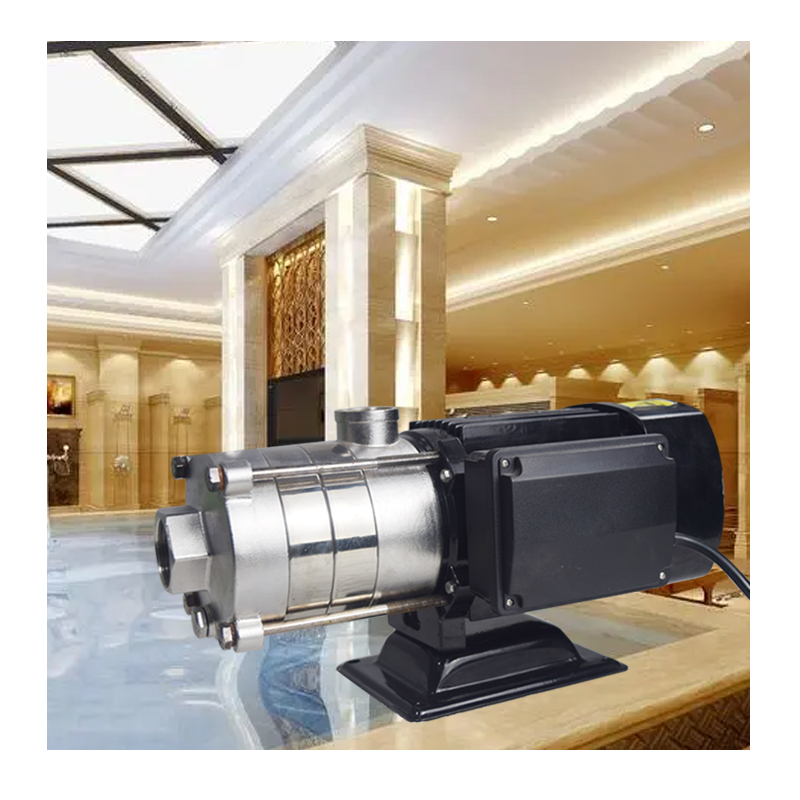
Centrifugal  pumps play a  crucial  role in various industrial applications, serving as essential components in the  transportation of fluids.  Understanding the different  types of centrifugal pumps  is  vital for wholesale buyers, purchasing managers,  and  engineers alike. This article will  clarify the various centrifugal  pump  types,  key specifications  to consider during  purchase, and insights on finding  reliable manufacturers.  Additionally, it will address concerns specific to distributors and provide installation  guidance, helping  buyers make informed decisions.
Key Specifications for Evaluating Centrifugal Pumps for Purchase

Key Specifications for Evaluating Centrifugal Pumps for Purchase

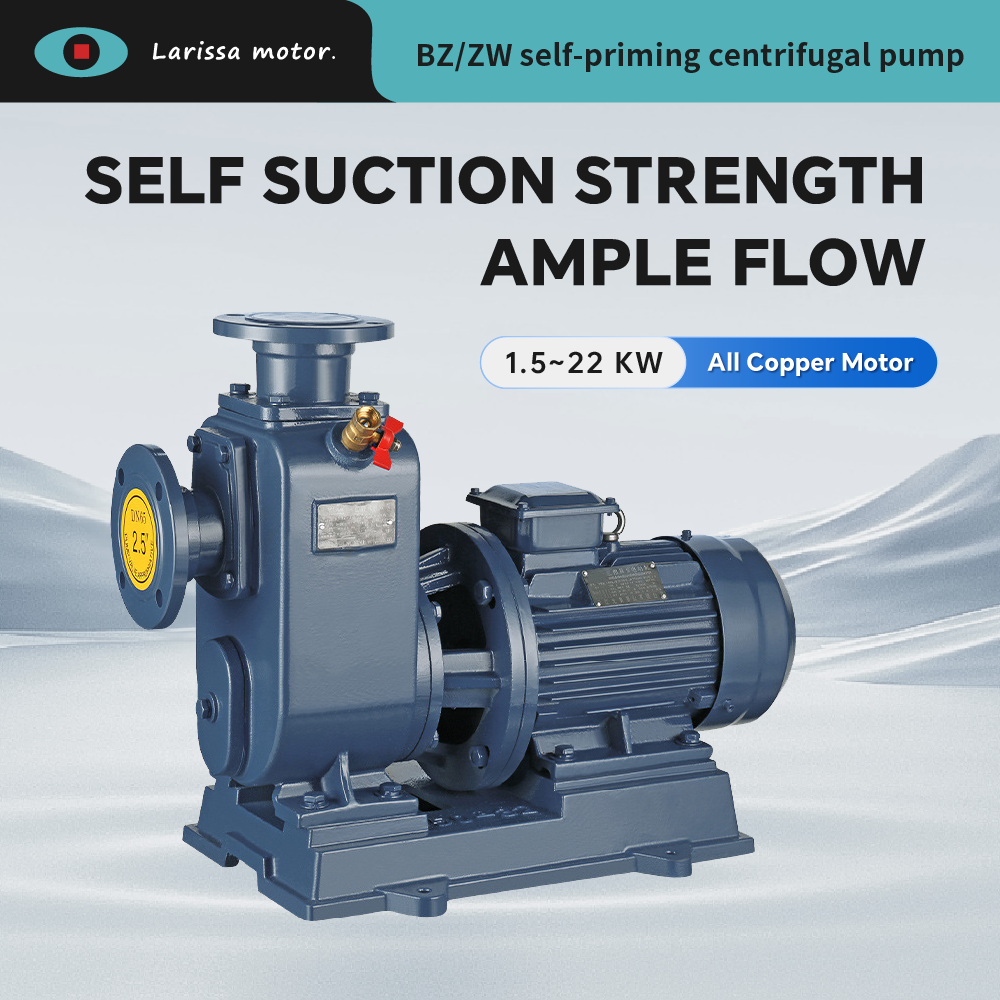
When evaluating  centrifugal pumps, several key specifications must be considered to ensure compatibility with intended applications. These include:

Flow Rate: Measured in  gallons per minute (GPM) or liters per second (L/s), the flow rate indicates  the volume of fluid the pump can move. Buyers should match this to their operational  needs.

Head Pressure: This  refers to the height to which the pump can raise the fluid.  It is crucial to ensure the pump can deliver the required  pressure for the  specific application.

Material Construction: The pump materials must withstand the fluids being pumped,  including any corrosive properties. Common materials include stainless steel, cast iron, and engineered plastics.

Efficiency Rating:  Efficiency  impacts operational costs. More efficient pumps consume less  energy, leading to cost savings over time.  For instance, the Heavy-Duty Industrial Boiler Feed Water Pump for Hot Water Circulation & Heating Systems is designed for optimal efficiency.

NPSH (Net Positive Suction Head): This specification is essential for preventing cavitation, which  can damage the pump. It is important to ensure the NPSH available meets or exceeds  the NPSH required  by the pump.

Buyers should carefully review these specifications and consult with manufacturers to ensure  the selected pump meets  their  operational requirements.
Finding Reliable Centrifugal Pump Manufacturers

Finding Reliable Centrifugal Pump Manufacturers

Finding  a  trustworthy centrifugal pump manufacturer involves evaluating several factors. Potential buyers should consider:

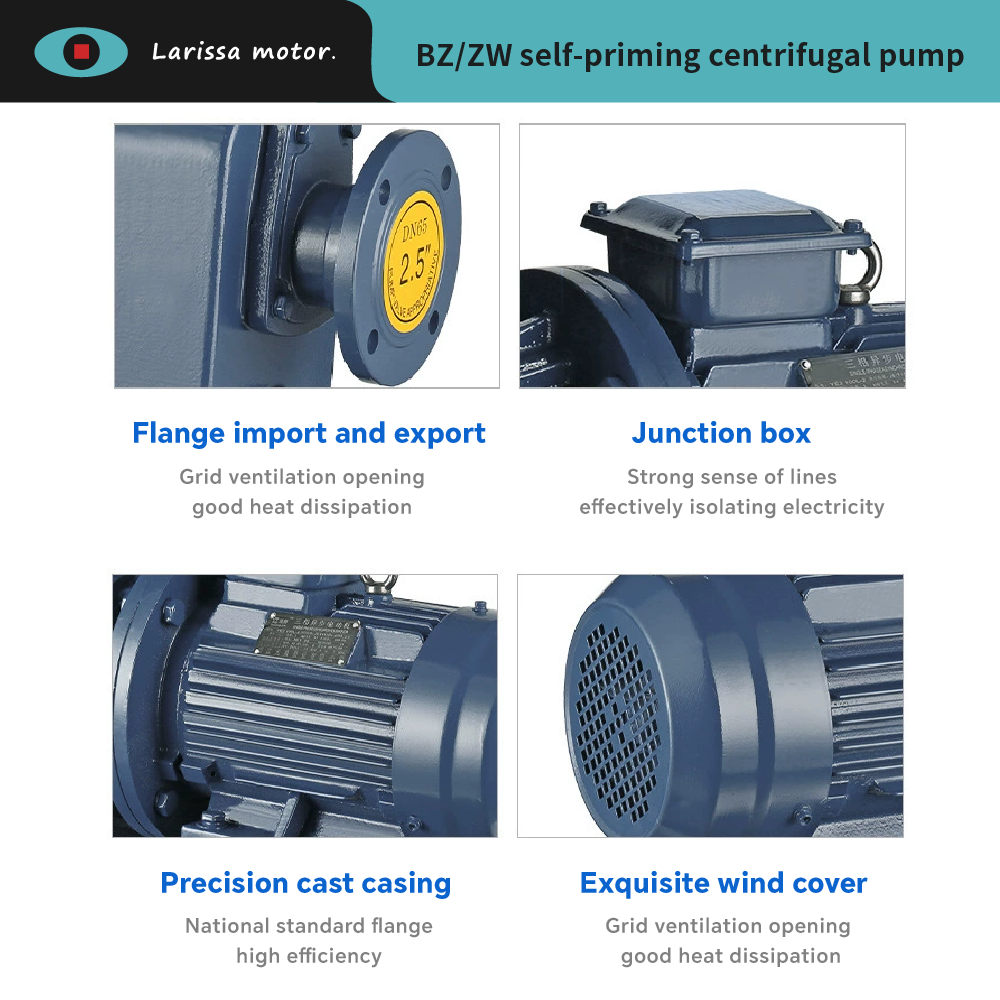
Experience and Reputation: Look for manufacturers with a proven  track record in the industry.  Larissa Motor, established in 1998,  has extensive experience  in  producing high-quality electromechanical products, which can be a strong indicator of reliability.

Customization Capabilities: Many applications require specific configurations. A manufacturer that  offers customization options can better meet unique  customer requirements.

Quality Control  Processes: Understanding  the quality assurance measures in place is crucial. Manufacturers should adhere to international standards and have rigorous testing protocols.

Certifications: Relevant certifications can provide assurance of quality and compliance with international standards. Buyers  should inquire  about the certifications  the manufacturer holds.

Customer Support: Reliable manufacturers  should provide  comprehensive customer support, including assistance before and after the sale.

By conducting thorough research and  asking the right questions, buyers  can find manufacturers that meet  their quality and performance needs.

Pros and Cons for Distributors

Pros and Cons for Distributors

Distributors play a crucial role in the supply chain for centrifugal pumps, and understanding the pros and cons can aid in strategic decision-making.

Pros:

Diverse Product  Range: Distributors can offer a variety  of pump types, meeting the needs of  different industries and applications.  Market Reach:  Established distributors often have access to larger markets, facilitating smoother transactions and increased sales.  Expert Guidance: Distributors usually possess  extensive product knowledge,  helping customers select the right pumps for  their needs.

Cons:

Inventory Management: Maintaining a diverse inventory can be challenging and costly, especially for less common  pump types. Price Sensitivity: The competitive  nature  of the market can  lead to price wars,  potentially affecting profit margins. Dependency on Manufacturers: Distributors rely heavily  on manufacturers for product quality and availability, which can  impact customer  satisfaction.

Understanding these factors can help distributors navigate their roles  effectively while maximizing profitability.

Installation Guidance for Various Types of Centrifugal Pumps

Proper installation is critical to the performance and longevity  of centrifugal pumps. Here  are  some general guidelines for different pump types:

Single-Stage and Multi-Stage Pumps:

Ensure  the pump is mounted on a stable base to  prevent vibrations. Align the pump and motor shaft accurately to avoid premature wear. Install necessary piping supports to reduce stress on the pump.

Vertical Pumps:

Check that the pump  is submerged adequately to avoid cavitation. Ensure the discharge pipe has a  gradual rise to minimize pressure loss.

Submersible Pumps:

Confirm that the power supply is suitable  for  underwater operation. Install a check valve in the discharge line  to prevent backflow when the pump is off.

Magnetic Drive Pumps:

  Follow the manufacturer’s guidelines for installation to ensure that magnetic coupling functions correctly. Avoid excessive torque during installation to prevent damage to the magnetic drive.

General Maintenance:

Regularly inspect  seals, bearings, and impellers to ensure optimal performance. Schedule periodic maintenance checks to identify potential issues before  they escalate.

By adhering to  these installation guidelines,  buyers  can ensure that their centrifugal pumps operate efficiently and effectively in their intended applications.

In summary,  understanding the types of centrifugal pumps, key specifications, and considerations for purchasing and installation is  essential for wholesale buyers and distributors alike. By following the guidance provided, industry professionals  can make informed decisions that  enhance operational efficiency and product reliability.

Understanding Centrifugal Pump Types for Wholesale Buyers

Centrifugal pumps can be categorized based on several factors, including  design, application, and operational characteristics. The primary types include:

Single-Stage  Pumps: These pumps feature one impeller and  are ideal for applications  requiring moderate flow rates and pressures. They are commonly used in water supply and chemical processing.

Multi-Stage Pumps: Designed  with multiple impellers, these pumps are suited for high-pressure applications, such as  boiler feed water and irrigation  systems. The increased number of stages allows  them to generate greater pressure.

Vertical Pumps: These are often used in applications  where space is limited. The  vertical design allows for  a smaller footprint while still delivering efficient fluid transfer.

Submersible Pumps:  Ideal for  environments where the pump needs to be submerged, such as in wells or sewage treatment, submersible pumps are designed to operate  underwater. For example, the WQ Heavy Duty Submersible Sewage Pump for Wastewater Drainage & Industrial Water Transfer is specifically designed for such applications.

Magnetic Drive Pumps: These pumps use magnetic coupling to eliminate shaft seals, making them  suitable for handling hazardous or corrosive  fluids without leakage.

Understanding  these types helps buyers select the right pump for their  specific applications, ensuring efficiency  and reliability.

Get a Professional Sourcing Quote

Our pump experts will review your request and reply within 12 hours.
Choose Your Needs Optional Business Type
Customization Requirements Optional
Email
Name
Company Name & Website
Message
0/1000

Related product categories