DC Water Pumps: Specifications and Quality Insights

Get a Professional Sourcing Quote

Our pump experts will review your request and reply within 12 hours.
Choose Your Needs Optional Business Type
Customization Requirements Optional
Email
Name
Company Name & Website
Message
0/1000

dcwaterpump

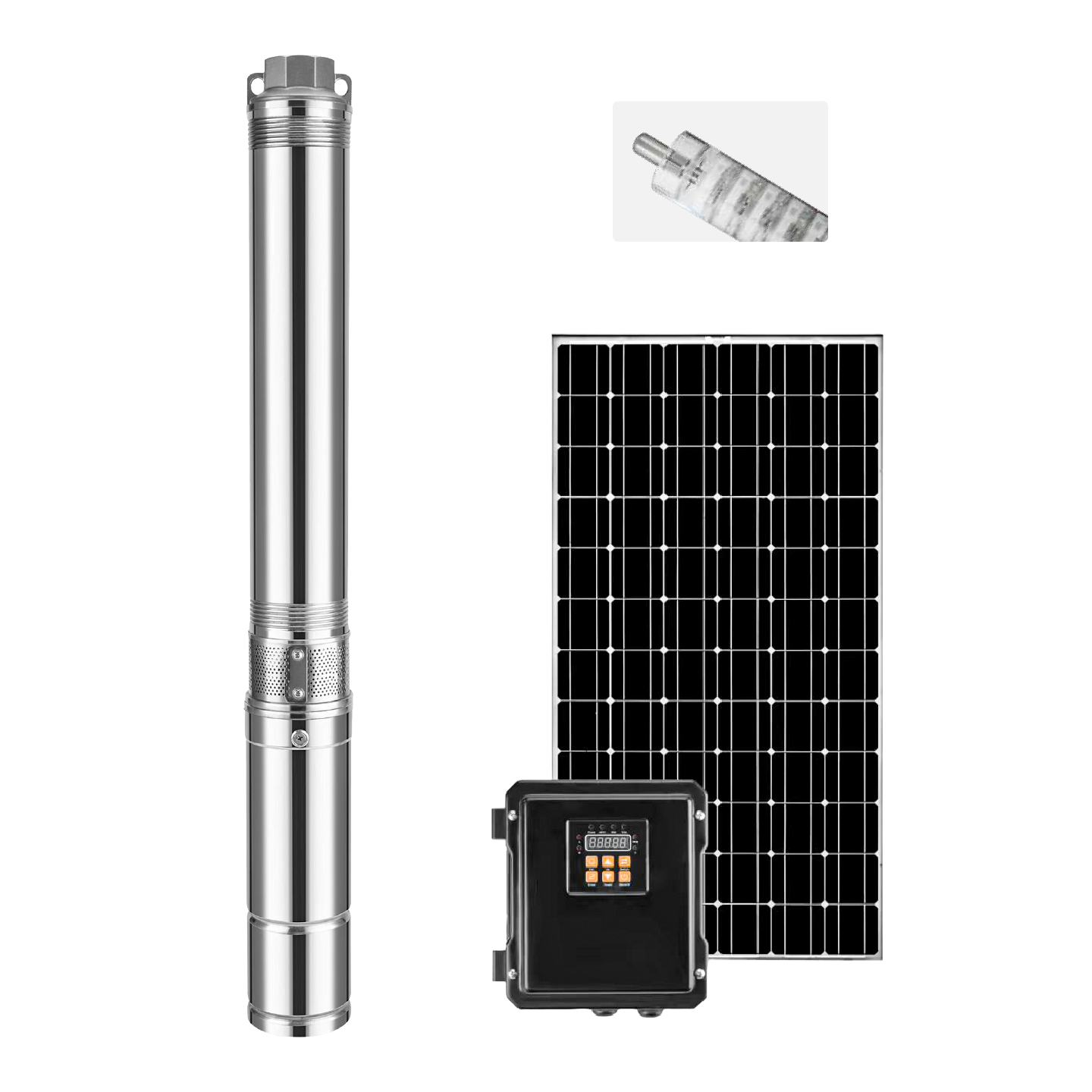
DC water pumps are essential components  in various  industrial applications,  designed to  efficiently transfer water and  other liquids. As a  B2B buyer,  understanding the specifications, quality, and features of  these products  is crucial to  making informed  purchasing decisions. This  article will guide you through the key  aspects of  DC water  pumps, helping  you navigate your options effectively  and  ensuring you select the right product for your  needs.
 
How to Choose the Right DC Water Pump for Wholesale Purchasing

How to Choose the Right DC Water Pump for Wholesale Purchasing

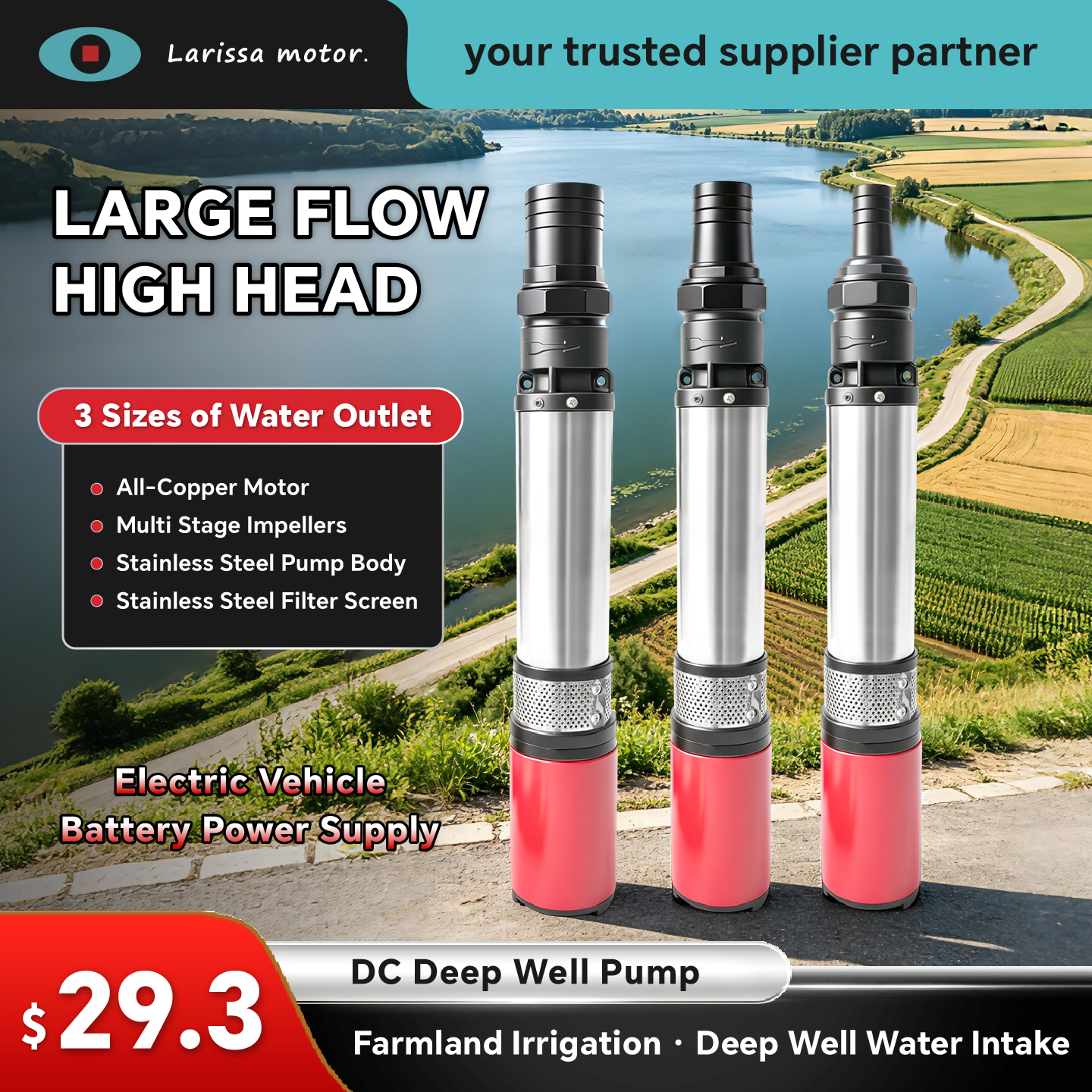
Choosing the  right DC water pump for wholesale purchasing involves considering  several factors that align with your business needs. Start by evaluating the application requirements, including  the type of liquid being pumped and the environment in which the pump will operate.

Application Compatibility:  Identify the specific application for the pump. Different industries, such  as agriculture, construction, or aquaculture, may  have unique requirements that dictate the type of pump needed. For example, Agricultural Water Pumps are tailored for farming needs.

Material Selection: The materials used in the pump construction  should be compatible with  the fluids being handled. For instance, corrosive liquids require pumps made from resistant materials  to prevent degradation.


Customization Options: Look for manufacturers that offer customization capabilities. This can include modifications to the  pump design, performance specifications, and  even  packaging to fit specific business needs.

Minimum Order Quantity (MOQ): Understanding the MOQ is essential for wholesale  purchasing. Ensure that the manufacturer’s  MOQ aligns with your purchasing plans to avoid overstock or delays.

Lead Time: Discuss lead times  with potential suppliers to ensure you  can meet your project timelines. This is particularly important for  large orders or custom designs.

By considering these factors, you can select a DC water pump that not only meets technical  specifications but also  supports your business goals.
Evaluating the Quality of DC Water Pumps for Reliable Performance

Evaluating the Quality of DC Water Pumps for Reliable Performance

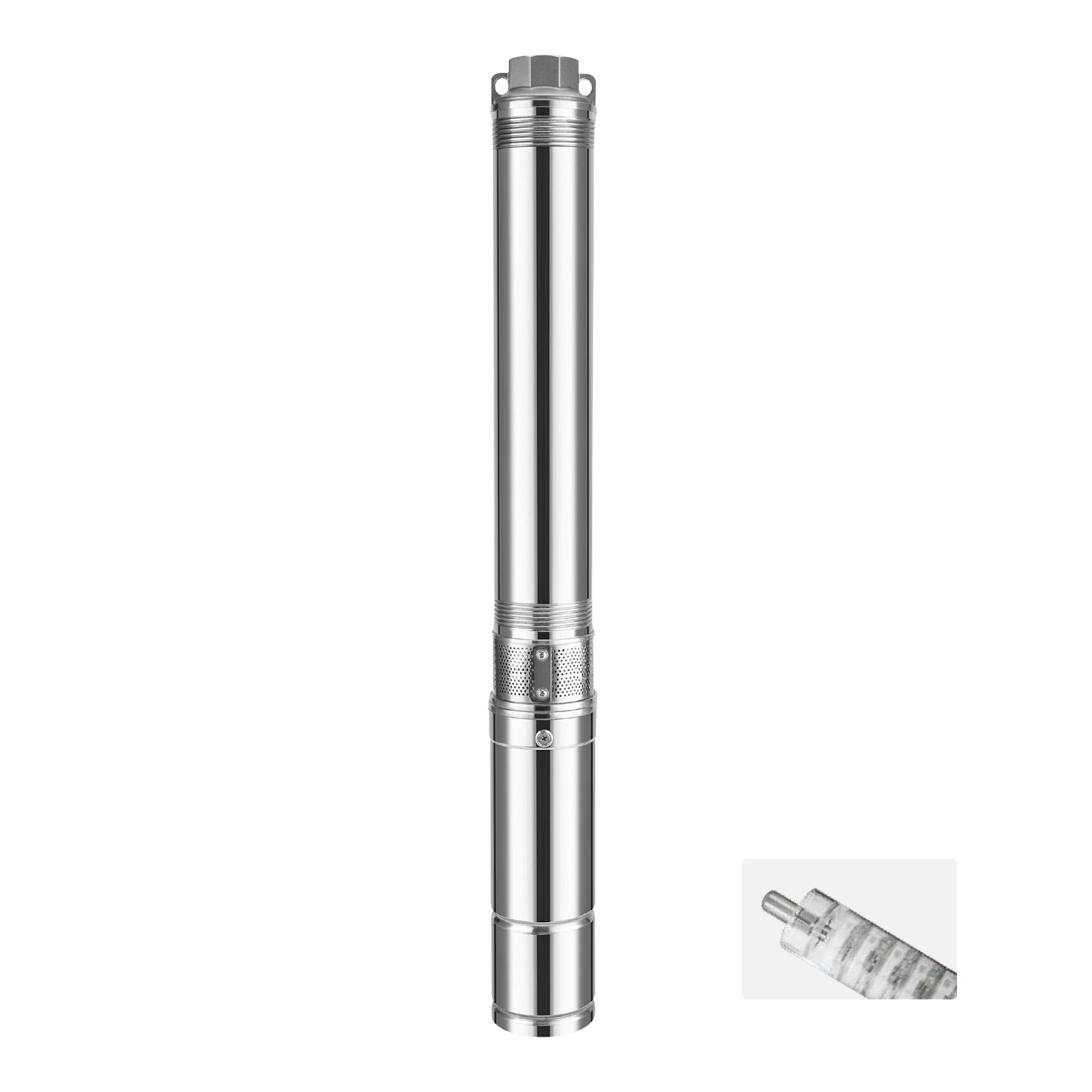
Quality assurance  is  paramount when sourcing DC water pumps.  To ensure reliable performance, consider the following aspects:

Manufacturing Standards: Verify that the manufacturer adheres to international standards for quality and safety. This includes  certifications that  demonstrate compliance with industry regulations.

Quality Control Processes: Inquire about the manufacturer’s quality  control measures.  A robust quality assurance program should include testing  at various stages of production, ensuring that each pump meets specified performance criteria.


Performance Testing: Before  committing to a  bulk purchase, request performance data or samples. Testing  samples under real-world conditions allows you to assess the  pump’s reliability and  efficiency firsthand.

Supplier Reputation: Research the manufacturer’s track record in the industry. Established companies like Larissa  Motor, with years of experience and a commitment to high-quality electromechanical products, typically have reliable products  backed by solid customer support.

Evaluating these quality indicators helps buyers make informed  decisions,  minimizing the risk  of  purchasing subpar products.

Key Features to Consider for Importers

Key Features to Consider for Importers

For importers, specific features  of DC water pumps warrant careful consideration to ensure compliance and suitability for  the  target market:

Energy Efficiency: With rising energy costs, selecting pumps with energy-efficient  designs  can lead to significant cost  savings over time. Look for pumps that meet  energy efficiency standards.

Durability: The construction materials should provide durability, particularly  if the pump will operate in harsh environments. Evaluate the  expected lifespan based on the materials used and the operating conditions.

Ease of  Maintenance: Consider how easy it is to maintain and service the  pump.  Features such as accessible components and clear maintenance guidelines can reduce  downtime and prolong  the pump’s lifecycle.

Warranty and Support: Ensure that  the manufacturer provides a warranty for  their products, along with accessible  customer support for any  issues that may arise  post-purchase.

These features not only contribute to the pump’s performance but also influence long-term operational costs  and overall satisfaction.

Understanding Material Advantages in DC Water Pumps

The choice of materials in DC water pumps directly  impacts their performance and longevity. Here are key considerations regarding material advantages:

Corrosion Resistance: Pumps used in  chemical processing  or marine applications benefit from materials like stainless steel or specialized plastics  that resist  corrosion and extend service life.

Weight and Portability:  Lightweight materials can enhance portability, making it easier to transport and install pumps in various locations. This is particularly relevant  for temporary  installations or mobile applications.

Thermal Conductivity: In applications involving temperature fluctuations, the material’s  thermal conductivity can affect performance. Select materials  that can withstand  the expected temperature ranges without significant degradation.

Sealing  and Insulation: High-quality seals and  insulation materials are crucial for preventing leaks and ensuring  efficient operation.  Evaluate the sealing technology  used  to ensure reliability in different environments.

Understanding these material advantages enables buyers to select DC water pumps that  not only meet  their performance needs but also align with their  operational contexts.

Understanding the Specifications of DC Water Pumps for Your Projects

When evaluating DC water  pumps, several specifications play a vital role in determining their performance and suitability for your specific applications. Key specifications include  flow rate, head height, voltage, and power  consumption. Solar Pumping Systems are also a significant part of this category.

Flow Rate: This measures the volume of water a pump can move in a specified time, typically expressed in liters per minute (L/min) or gallons per minute (GPM). It’s crucial to  match the flow  rate to your project’s  requirements, as insufficient  flow can lead to inefficiencies.

Head Height: This indicates the maximum height the pump can lift water, measured in  meters  or feet. Projects requiring elevation changes  will need  pumps with suitable head heights to ensure effective operation.

Voltage and Power Consumption:  DC water pumps come in  various  voltage ratings, commonly 12V  or  24V. Selecting the  right  voltage ensures compatibility with your power supply and helps manage energy consumption.

Understanding these specifications helps  buyers ensure that  the selected DC water pump meets their operational needs and avoids costly performance issues.

Get a Professional Sourcing Quote

Our pump experts will review your request and reply within 12 hours.
Choose Your Needs Optional Business Type
Customization Requirements Optional
Email
Name
Company Name & Website
Message
0/1000

Related product categories