Choosing the Right Solar Powered Well Pump

Get a Professional Sourcing Quote

Our pump experts will review your request and reply within 12 hours.
Choose Your Needs Optional Business Type
Customization Requirements Optional
Email
Name
Company Name & Website
Message
0/1000

solar powered well pump

Solar powered well pumps are innovative  solutions  designed to harness solar energy for  pumping water  from  wells, making them  ideal for  agricultural, industrial, and residential  applications.  As a B2B buyer, your primary concerns may revolve around efficiency,  reliability, and  suitability  for specific project  requirements. This article will help you understand key considerations when selecting a  solar powered well pump, including specifications, common challenges,  and  various applications,  ultimately guiding you towards making an informed purchasing  decision. 
 
Key Specifications to Evaluate in Solar Powered Well Pumps

Key Specifications to Evaluate in Solar Powered Well Pumps

When evaluating solar powered well pumps, several key specifications should be considered:

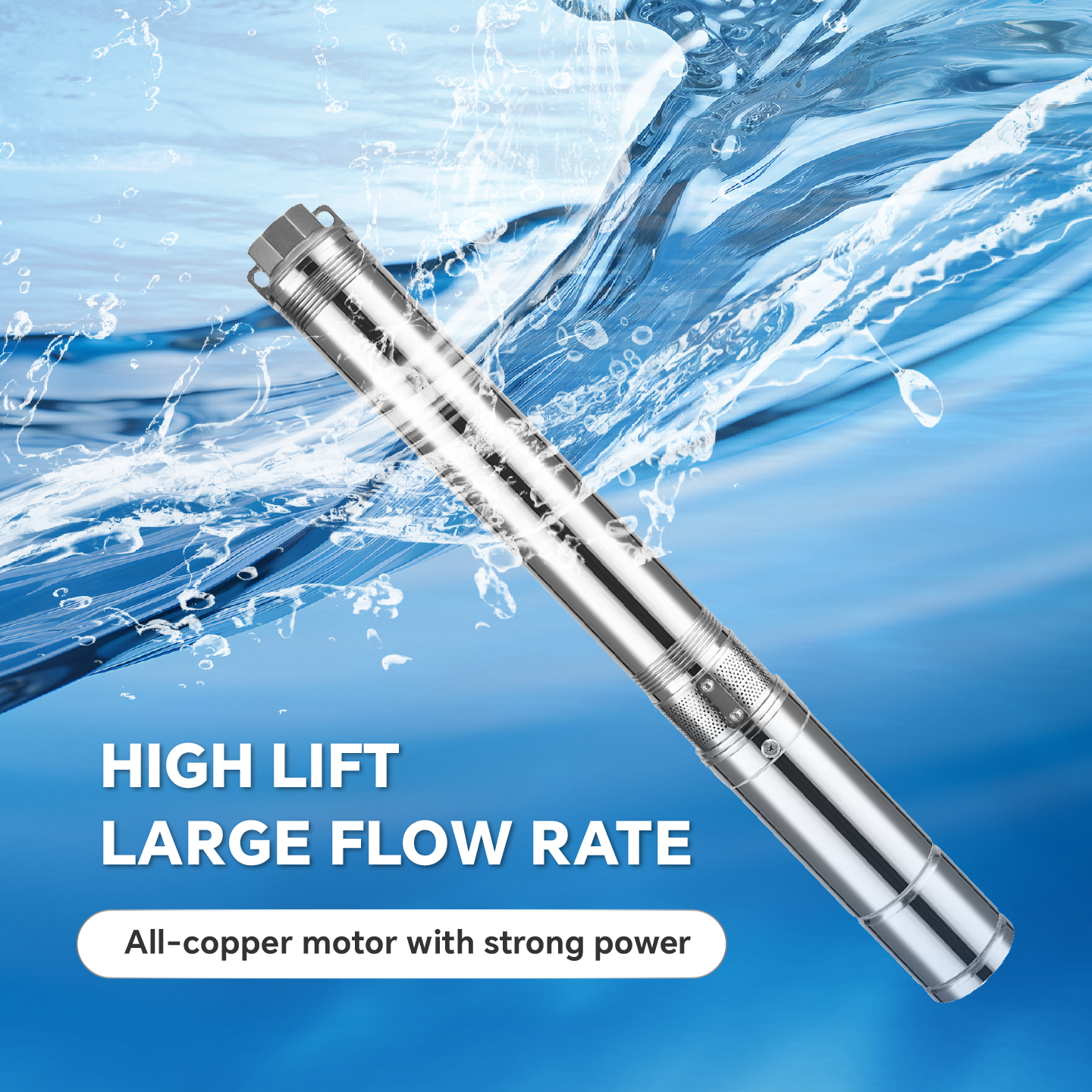
Flow Rate: This indicates  how much water the pump can deliver within a certain timeframe, generally expressed in gallons per minute  (GPM). Ensure the flow rate aligns with your water supply needs.

Total Dynamic Head (TDH):  This is the total height the pump must lift the water, factoring in well depth, pipe friction,  and other losses. A pump should be chosen based on its ability to  meet or exceed your specific TDH  requirements.


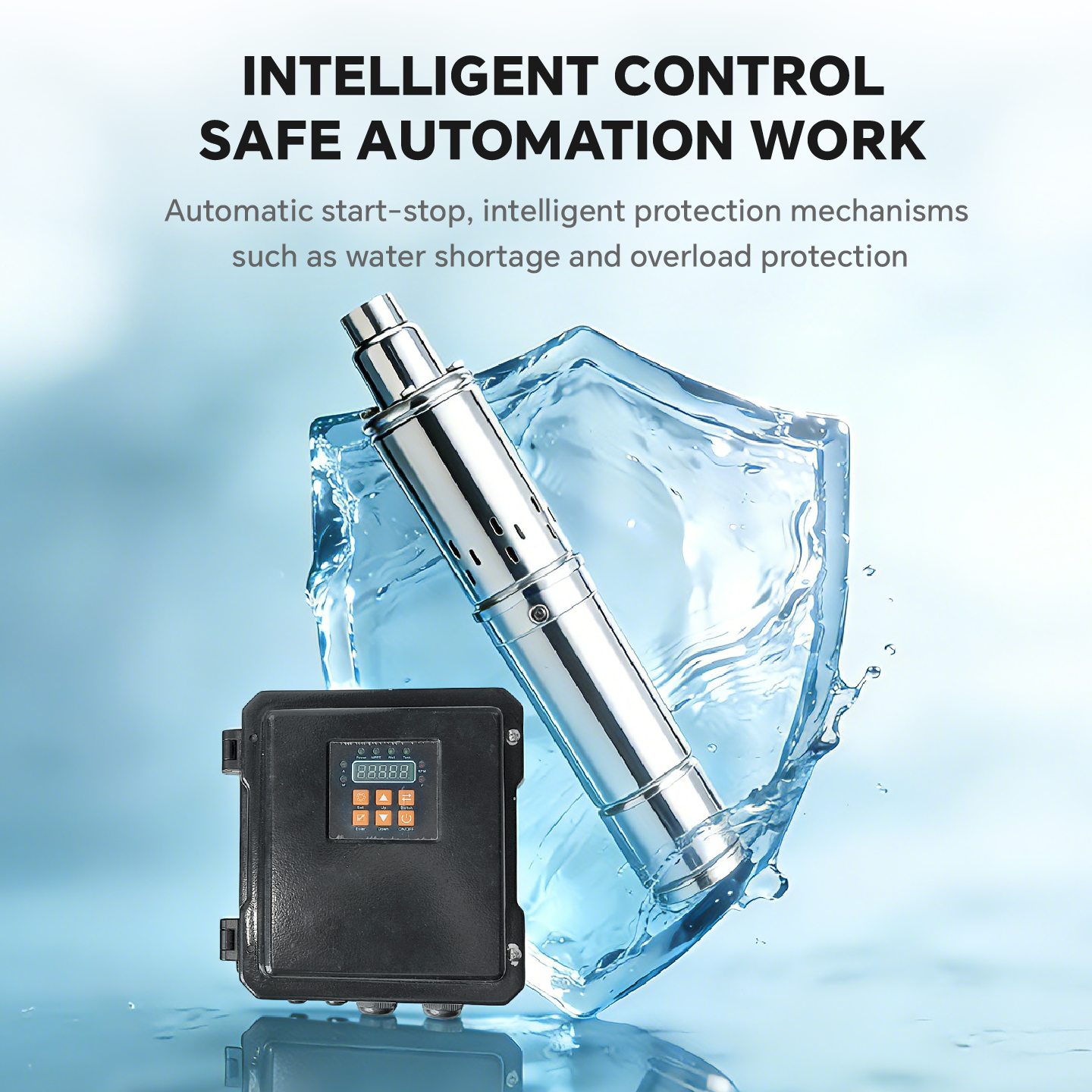
Power Consumption: Understanding  the wattage required by the pump helps in assessing compatibility with your solar panel system. Lower power consumption is preferable for efficiency and cost-effectiveness.

Material and Durability: Consider  pumps constructed from  high-quality, durable materials that can withstand environmental  factors like UV exposure and corrosion. This will  impact the  long-term performance and maintenance needs of the pump.

Certifications: Look for pumps that meet international quality standards, as these certifications can be indicators of reliability and performance.

By rigorously assessing these specifications, you  can ensure that  the solar  powered  well pump will  perform effectively in  your  intended application.
A Step-by-Step Approach

A Step-by-Step Approach

Here’s a straightforward  approach  to selecting and installing  a solar powered well pump:

Assess Your  Needs: Determine the required flow rate, depth of the well, and total  dynamic head based on your specific application.

Research Products: Explore various manufacturers  and models, paying attention to the specifications outlined previously. Check for customization options that may suit your unique needs.

Request  Quotations: Prepare a detailed request for quotation (RFQ) that includes your project  specifications, expected performance criteria, and any customization needs.  This will help suppliers provide accurate quotes.


Review Samples: Before finalizing your  order, request samples  if possible. Testing a sample under actual operating conditions can reveal potential  performance issues.


Installation Planning: Coordinate with your installation team to  ensure compatibility with your solar panel system. Proper installation  is crucial for optimal performance.

Operational Testing: Once installed, conduct thorough testing  to ensure the pump operates as expected. Monitor performance against your specified  metrics.

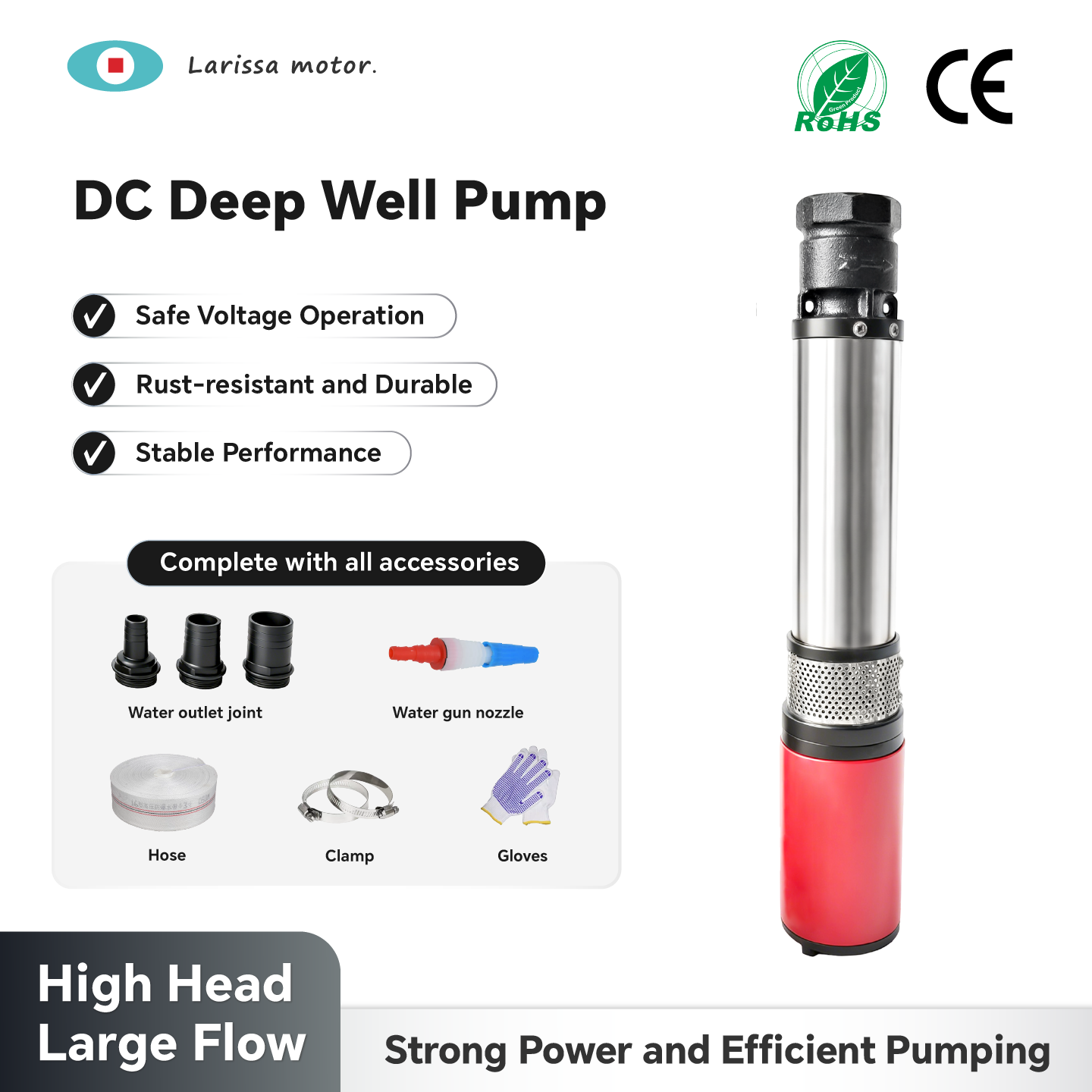
By following this methodical approach, you  can effectively select and implement a solar powered well pump that meets your project requirements, such as the Solar Powered Deep Well Submersible Pump for Off-Grid Water Supply & Irrigation.

 
Common Problems with Solar Powered Well Pumps and Their Solutions

Common Problems with Solar Powered Well Pumps and Their Solutions

While solar powered well pumps are generally  reliable, several common issues can  arise:

Insufficient Power Supply: If  the solar panels do  not  provide enough power, the pump may underperform. To address this, ensure that  your  solar power system is appropriately sized  for  the pump’s requirements, considering peak sun  hours and potential obstructions.

Clogged Filters: Dirt and debris can accumulate in the pump's filters, leading to reduced performance. Regular maintenance, including cleaning or replacing filters, is  essential to ensure continuous operation.

Pump Priming Issues: If the pump fails to prime, it may be due to air leaks in the suction line or insufficient water  in the well. Regularly inspect connections and  ensure water levels are adequate.

Mechanical Failures: Wear and tear on components can lead to mechanical failures. Selecting a pump with durable materials and a solid  warranty  can mitigate this risk.

By  being aware  of these potential problems and implementing preventive  measures, you can maintain the  efficiency and reliability of your solar powered well pump.


Applications of Solar Powered Well Pumps in Various Industries

Solar powered well pumps are  versatile and  can be employed across multiple industries, including:

Agriculture: Used for irrigation and livestock watering, these pumps can significantly  reduce energy costs and dependence  on grid power.

Residential: Homeowners in remote areas can  utilize solar powered pumps for  domestic water supply, ensuring access  to clean water without relying on conventional power sources.

Industrial: Manufacturing facilities can implement these pumps for  process water, contributing to sustainability goals and reducing operational costs. For example, Horizontal Multistage Centrifugal Pump for High Pressure Water Supply Systems can be a great choice.

Mining: In mining operations, solar powered pumps  can provide  water for dust suppression or  equipment cooling, offering an eco-friendly alternative.

Environmental Applications: These pumps are effective in groundwater  management and environmental restoration projects, facilitating water supply  in conservation  efforts.

The adaptability of solar powered well pumps makes  them an excellent choice for diverse applications, aligning with current trends towards sustainable energy solutions.

By understanding the selection  process,  specifications, common challenges, and applications, you are better equipped to make informed  decisions when sourcing solar powered well pumps for  your projects. This knowledge not only enhances your purchasing strategy but  also contributes to the effective implementation of solar technology in your operations.

Choosing the Right Solar Powered Well Pump for Your Project Needs

Selecting the appropriate solar powered  well pump begins with evaluating  your specific project requirements. Consider factors such as  the  depth of the  well, the  volume of  water  needed, and the pumping height. A pump's flow rate, typically measured in gallons per minute (GPM), is  crucial; it should  match  your water demand while also  being compatible with your  solar power system's  output. For instance, you might consider a DC CPM Centrifugal Water Pump for Solar Irrigation & Agricultural Water Transfer for efficient performance.

Additionally, assess the pump's  construction materials and design. Pumps made from corrosion-resistant  materials, such as stainless steel or high-density  polyethylene, are ideal for longevity, especially in  harsh environments. Customization options may also be available to  adapt the pump to unique site conditions or  specific customer requirements, which can significantly enhance performance and reliability.

Get a Professional Sourcing Quote

Our pump experts will review your request and reply within 12 hours.
Choose Your Needs Optional Business Type
Customization Requirements Optional
Email
Name
Company Name & Website
Message
0/1000

Related product categories