Choosing the Right Submersible Dirty Water Pump

Get a Professional Sourcing Quote

Our pump experts will review your request and reply within 12 hours.
Choose Your Needs Optional Business Type
Customization Requirements Optional
Email
Name
Company Name & Website
Message
0/1000

submersible dirty water pump

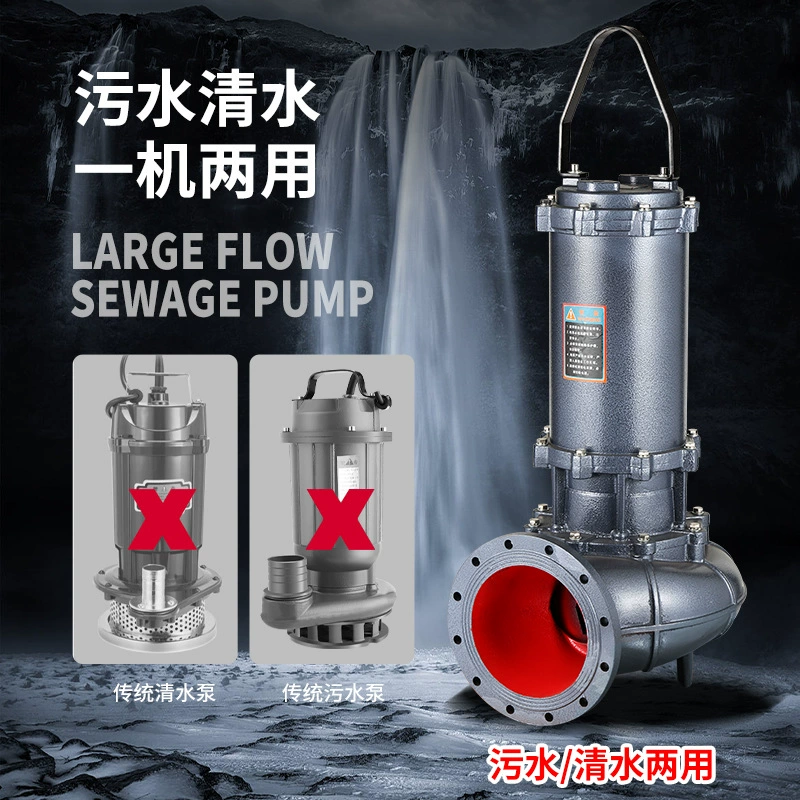
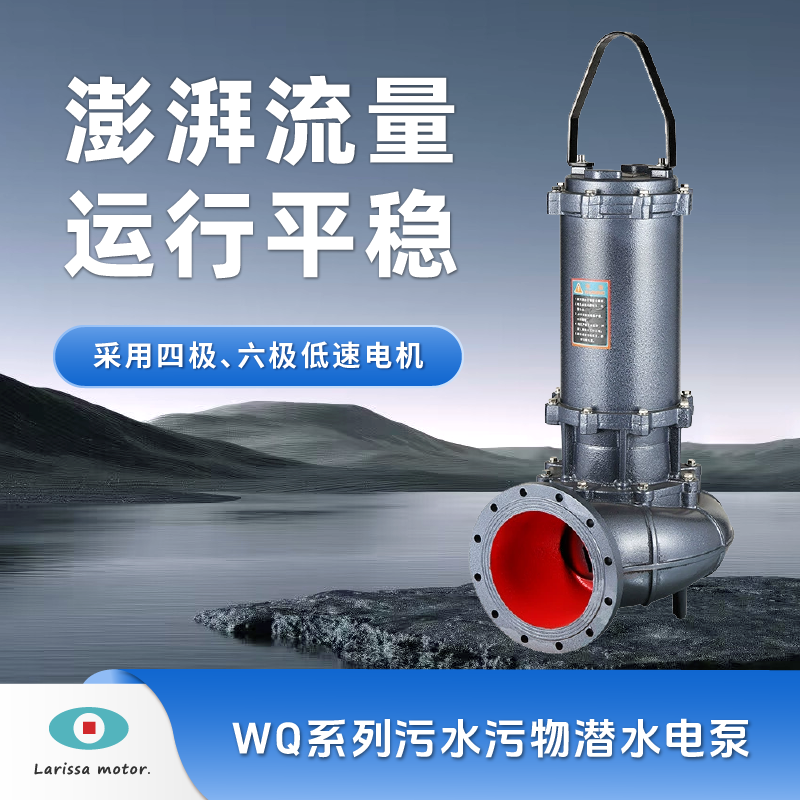
Submersible dirty water pumps are essential tools for various industrial and commercial  applications, designed specifically to handle  wastewater and other  fluids containing solid particles.  When selecting the  right pump,  buyers  often have  concerns  about performance,  reliability, and compatibility with  their  specific needs.  This article aims  to guide purchasing managers, engineers, and product managers through the critical  aspects of  choosing a submersible dirty water pump, including selection criteria,  cost factors,  installation guidelines, applications  across industries, and material advantages in pump  manufacturing. For instance, submersible pumps are widely used in sectors like Industrial & Mining to handle dirty water efficiently.
Cost Factors for Bulk Orders of Submersible Dirty Water Pumps

Cost Factors for Bulk Orders of Submersible Dirty Water Pumps

When purchasing submersible dirty water pumps in  bulk,  several cost factors come into play:

Unit Price: The base price per pump will often decrease  with larger orders. Manufacturers like Larissa Motor  may  offer tiered pricing based on the quantity ordered.

Customization Costs:  If your project  requires specific modifications or enhancements, these can impact overall  pricing. Custom features such  as  unique materials, sizes, or performance capabilities might  incur additional charges.

Shipping and Handling: Consider the  logistics of transporting bulk orders. Costs  can vary based on the distance, weight, and packaging requirements. Ensure to factor in potential  customs duties if importing.

Lead Time: Longer lead times can affect project schedules. Confirm with  the manufacturer about production timelines  and how they might impact costs, especially if expedited shipping is necessary.

Warranty and After-Sales Support: Evaluate the warranty offered and  the availability  of service or support post-purchase, as these factors can influence long-term operational costs.
Installation Guidelines for Submersible Dirty Water Pumps

Installation Guidelines for Submersible Dirty Water Pumps

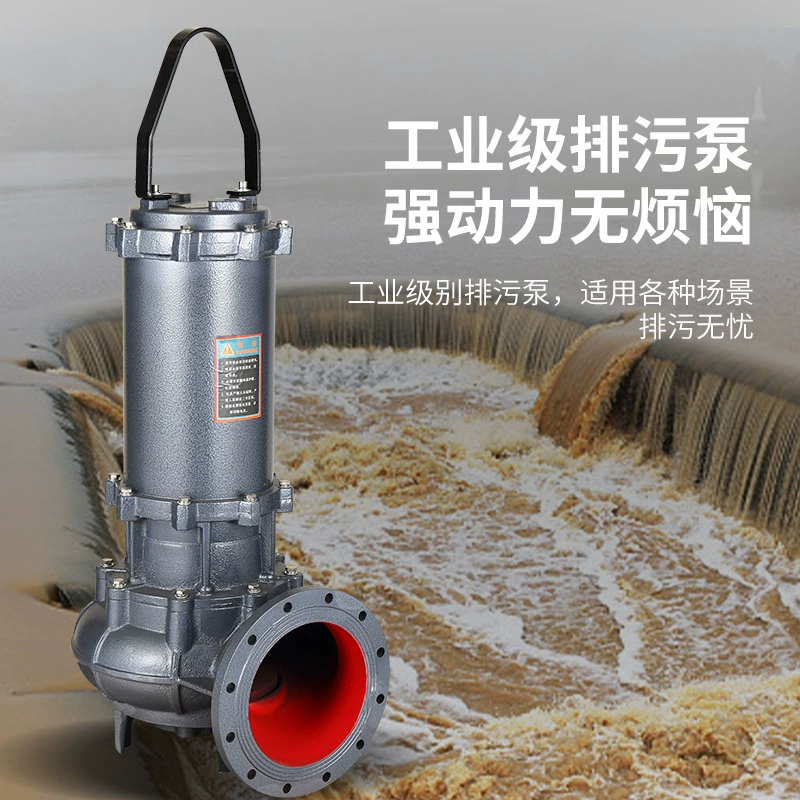
Proper installation of a  submersible dirty water pump is crucial for optimal performance and longevity. Here are  essential guidelines to follow:

Site Preparation: Ensure  the installation site is clear of debris  and that the pump will be submerged adequately to prevent air intake and cavitation.

Electrical  Connections: Follow all  electrical codes and standards. Confirm that the power supply matches the  pump's specifications, and ensure that  all connections are watertight to prevent electrical hazards.

Positioning: Place  the pump at a suitable depth to ensure full submersion while also allowing access for maintenance. The  inlet screen should be positioned to  avoid drawing in sediment.

Testing: After installation, conduct a test run to verify  that the pump operates correctly and efficiently. Monitor for vibrations, noises, or leaks, which can indicate installation  issues or equipment faults.

Routine Maintenance: Schedule  regular inspections  and  maintenance to ensure the pump operates efficiently over time.  This includes checking  seals, cleaning filters, and verifying electrical  connections.

Applications of Submersible Dirty Water Pumps in Various Industries

Applications of Submersible Dirty Water Pumps in Various Industries

Submersible dirty water  pumps  are utilized across  multiple industries, reflecting their versatility:

Construction:  Used for dewatering sites, handling water mixed with  soil,  mud, and  other debris. For construction sites, Construction & Drainage Pumps are often employed to manage excess water.

Agriculture: Effective in irrigation systems, particularly in areas where water  sources may  contain sediments or organic matter.

Mining:  Essential  for managing inflow water in mining operations, especially in  sites  where groundwater is prevalent.

Municipal: Employed in wastewater treatment facilities to  transport  sewage and other contaminated  water.

Industrial: Used in manufacturing processes where dirty water  or effluents  need to be pumped out.

Understanding Material Advantages in Submersible Pump Manufacturing

The material used in manufacturing submersible dirty water pumps significantly impacts their  performance and durability. Here are common materials and their advantages:

Cast  Iron: Often used  for  its strength and ability to withstand heavy-duty applications. However, it may be susceptible to corrosion if used in abrasive or acidic environments.

Stainless Steel: Provides  excellent corrosion resistance, making it suitable for harsh chemicals and environments.  This material  is often preferred in food processing and wastewater applications.

Thermoplastics: Lightweight  and resistant to corrosion, thermoplastics are ideal for environments where chemical exposure is  a concern. They also reduce the weight of the pump, making handling easier.

Composite Materials: Combining different  materials can enhance performance. For instance,  a composite impeller may offer both strength and reduced wear over time compared to  traditional materials.

In summary, selecting the right submersible dirty water pump involves  careful consideration  of various  factors, including application requirements, material  properties, and cost implications. By understanding these elements, buyers can  make informed decisions that  enhance operational efficiency and meet  project specifications.

Choosing the Right Submersible Dirty Water Pump for Your Projec

Selecting the appropriate submersible dirty  water pump involves understanding  the specific requirements of  your application. Key  considerations include flow rate, head height, and the type and size of solids the pump will handle.

Flow Rate and Head Height: Determine the required flow  rate (measured in  gallons per  minute or liters per second) and the total head height, which is the vertical distance  the  pump must lift the water. This information can often  be found in the project specifications or by consulting with engineering teams.

Solids Handling: Pumps are designed to handle different sizes and types  of solids.  It's crucial to confirm the maximum particle size and  type of debris in the water to ensure the  pump's impeller and motor can efficiently handle the load without clogging or  damage.

Material Compatibility: Depending on the fluid being pumped, material compatibility is vital. For example, abrasive solids may require pumps with wear-resistant materials, while corrosive environments may necessitate pumps made from stainless  steel or specialized polymers. If you are looking for options in Solar Pumping Systems, it’s important to consider the materials used for their durability in various applications.

Power Source and Efficiency: Assess whether electrical or fuel-powered pumps are more suitable for your project, considering energy  efficiency and operational  costs.

Customization Needs: Larissa Motor offers customization options for its submersible pumps to  meet  specific project needs, ensuring optimal performance.

Get a Professional Sourcing Quote

Our pump experts will review your request and reply within 12 hours.
Choose Your Needs Optional Business Type
Customization Requirements Optional
Email
Name
Company Name & Website
Message
0/1000

Related product categories