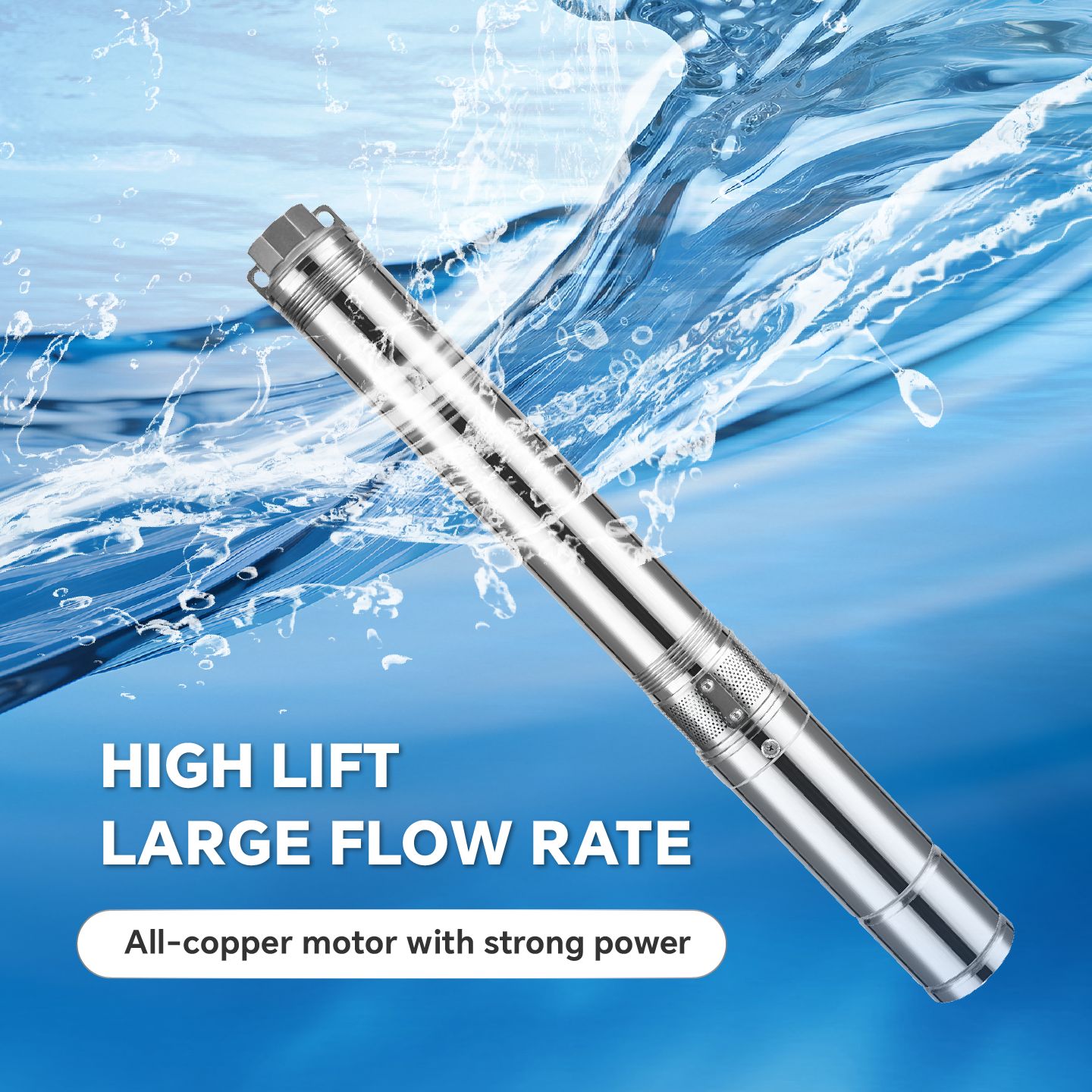
How to Choose the Right Solar Pump for Your Projects

Get a Professional Sourcing Quote

Our pump experts will review your request and reply within 12 hours.
Choose Your Needs Optional Business Type
Customization Requirements Optional
Email
Name
Company Name & Website
Message
0/1000

solar pump

Solar pumps are an innovative  and  efficient  solution for  various water supply needs, harnessing  renewable energy to power the pumping  process. As a  B2B  buyer, understanding  how to select  the  right solar pump for your projects  is crucial. You may  have concerns about specifications,  sourcing, cost,  and applications  in different industries. This article will guide you through essential considerations, ensuring you  make  informed decisions when purchasing  solar  pumps.
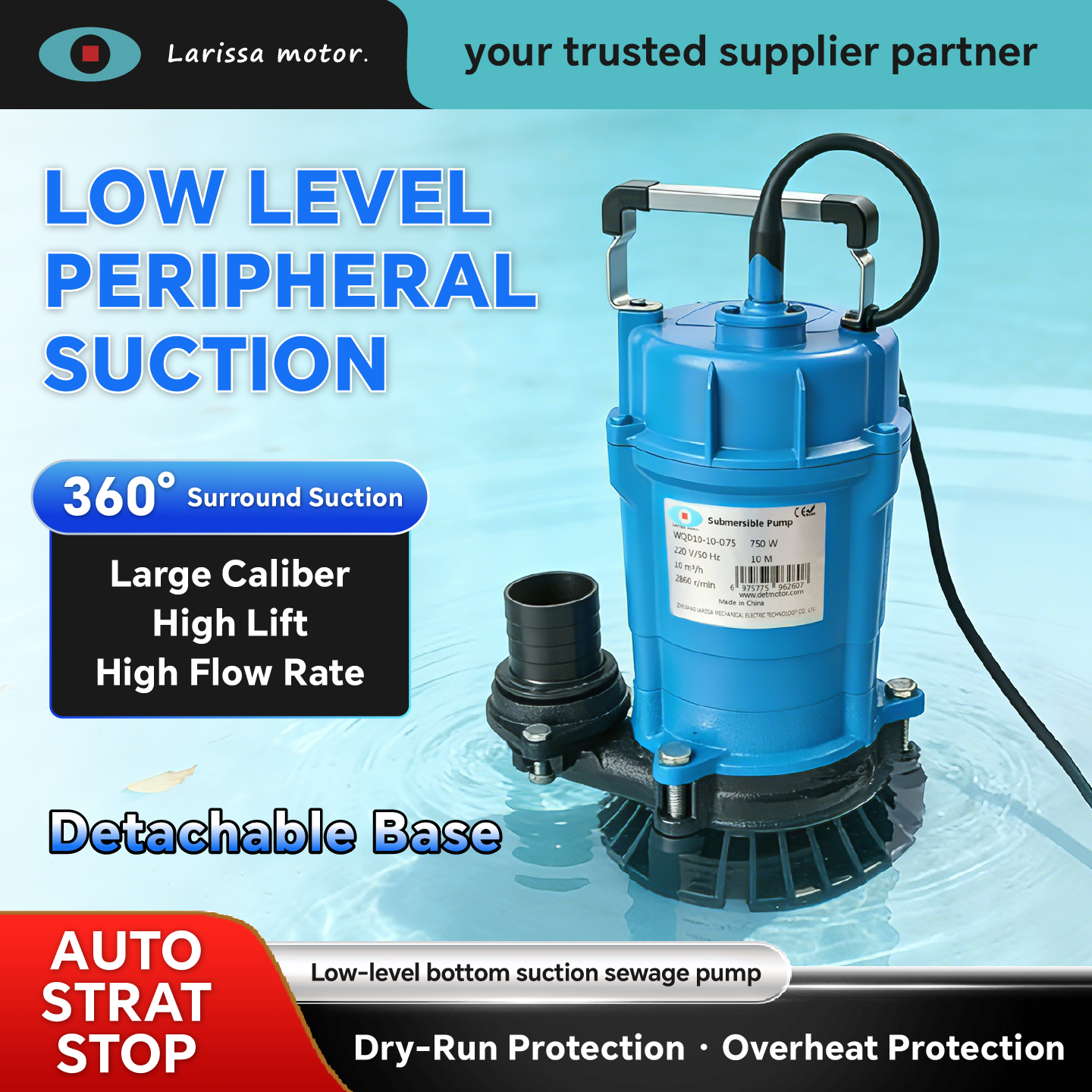
Key Specifications to Consider for Solar Pumps

Key Specifications to Consider for Solar Pumps

When evaluating solar pumps, several key specifications are  important to consider:

Flow Rate: Measured in liters per minute (LPM) or gallons per minute (GPM), the flow  rate indicates how much  water the pump can  move. This is essential  for  meeting the demands of  your application.

Total Dynamic Head (TDH): As previously mentioned, TDH is the height the pump can lift water. Ensure this meets or exceeds the requirements of your installation site.


Power Consumption: This indicates how efficiently the pump utilizes solar energy. Look for pumps with lower power consumption for cost-effective operation, especially if the system will  run continuously.


Material  and Durability: The pump's construction material affects its longevity and performance.  Pumps made from corrosion-resistant materials, such as stainless steel or  high-grade plastics, are ideal for harsh environments.

Operational Temperature:  Different pumps have varying  tolerance  levels for temperature fluctuations. Ensure the pump can operate efficiently in the  environmental  conditions of your project.

Understanding these specifications will help  you evaluate potential solar pumps effectively, ensuring they align with your  operational requirements.
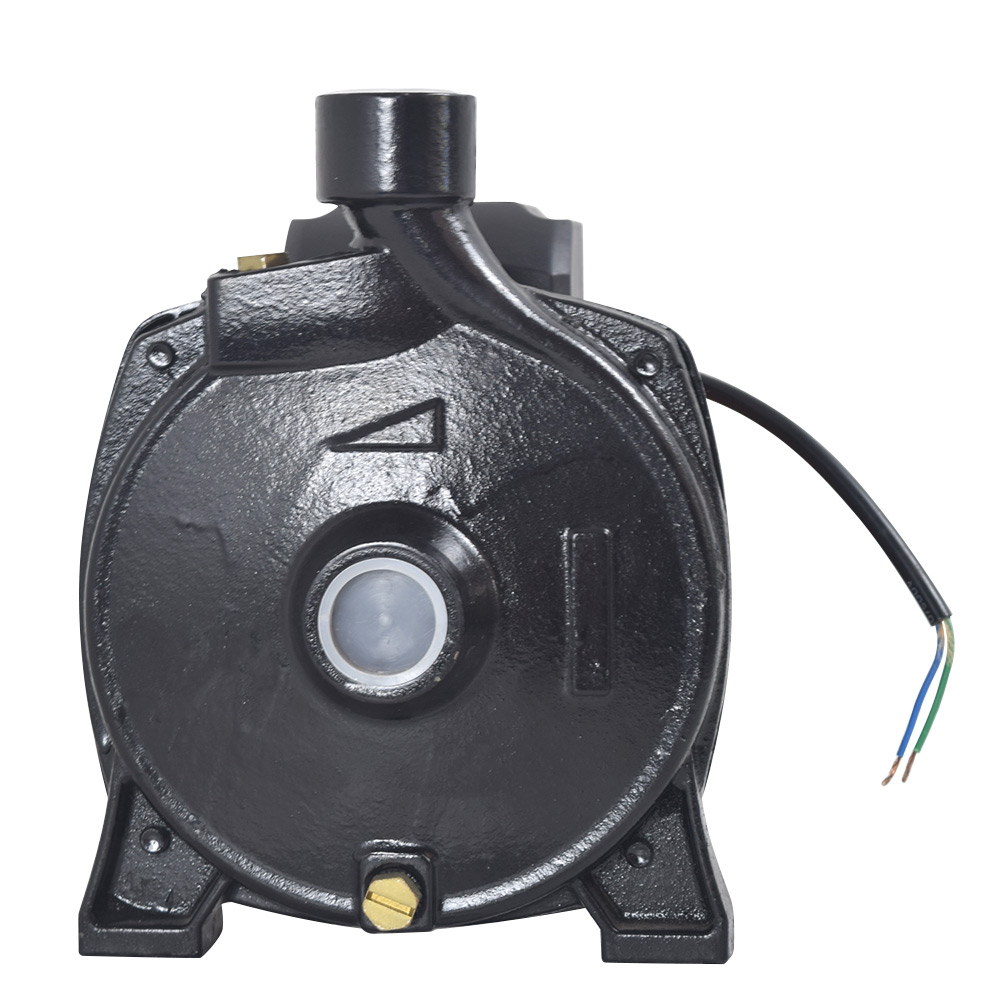
Where to Source Reliable Wholesale Solar Pumps

Where to Source Reliable Wholesale Solar Pumps

Sourcing reliable  wholesale solar pumps requires careful  consideration of suppliers. Start  by researching manufacturers with a  proven track  record in the industry. Look for  companies that have been in business for several years,  such as Larissa  Motor, which has been producing high-quality electromechanical products since 1998.

Check for  certifications and compliance with international standards, as these indicate the quality and reliability of the products. A reputable manufacturer will have strict quality control  processes in place to ensure consistency and performance.


Additionally, consider sourcing  from  suppliers who offer  customization options. This  can  be advantageous, as it allows you to tailor  the product to  meet specific project needs. Establishing a good relationship with your supplier can lead to better pricing, favorable terms, and  more responsive service.

Cost Factors to Consider When Purchasing Solar Pumps

Cost Factors to Consider When Purchasing Solar Pumps

When budgeting for solar pumps, several cost factors come into play:

Initial Purchase Price:  This is the upfront  cost of the pump. Be sure to compare prices across different suppliers, but  also consider the features and  specifications that  justify the price.

Installation Costs: Depending on the complexity of the installation, you may need to factor in  labor  costs. Ensure that you  have a  qualified  technician to install the pump  correctly to avoid  future issues.

Operating Costs: Solar pumps generally have low operating costs, but it's important to account for maintenance and potential  replacement parts. Regular maintenance can extend the  life of the pump and improve efficiency.

Customization Fees: If you require specific modifications or  custom features, be aware that these may incur additional costs. Discuss these options with  your supplier upfront.

Warranty and Support: Consider the warranty offered by the manufacturer, as this can affect long-term costs.  A product with  a strong warranty and good customer support can save you money in the long run.

Understanding these cost factors  will help you create  a comprehensive budget for your solar pump purchase.

Exploring Applications for Solar Pumps in Various Industries

Solar pumps have a wide range of applications across different  industries. Here are some of the  primary sectors utilizing solar pumps:

Agriculture: In agriculture,  solar pumps  are used for irrigation, providing  a sustainable solution for crop watering. They are especially beneficial in remote areas where traditional power sources  are unavailable. For more insights on these systems, consider looking into Solar Pumping Systems.

Livestock: Farmers use solar pumps for watering livestock, ensuring a consistent water  supply without relying on grid electricity, which can be expensive and unreliable.

Residential Use: Homeowners are increasingly adopting solar  pumps for garden irrigation, pool filling,  and domestic water supply, capitalizing  on the  cost-saving benefits of solar energy.

Commercial Operations: Businesses in landscaping, golf courses, and resorts are utilizing  solar pumps to maintain their grounds  efficiently while reducing energy costs.

Industrial Applications: Solar pumps are also used in industrial settings for cooling systems,  water treatment, and other processes that require reliable water supply without high  operational costs.

Understanding these applications can help you identify the best solar pump solutions for your specific industry needs, ensuring you  make a well-informed  purchasing decision.

By focusing on these essential aspects of  solar pumps, you can navigate the purchasing process with  greater confidence, ensuring that your  investment meets your operational needs while supporting sustainable practices.

How to Choose the Right Solar Pump for Your Projects

Selecting  the right solar pump involves several critical considerations. First, identify the  specific application—whether it's for irrigation, livestock watering,  or residential use. Each application may require different pump types and capacities. For example, if you're focused on agricultural needs, you might want to consider Agricultural Water Pumps.

Next, evaluate the power requirements. Solar pumps are  available in both DC and AC models, with  varying voltage options. Ensure that  the chosen pump  matches your solar  panel output and your energy needs. It's also important to consider the total dynamic head (TDH) required, which includes the height the water must be lifted  and the distance  it must travel. Understanding  these parameters will help you select a pump that meets your operational needs.

Finally,  consider the customization  options. Many manufacturers,  like Larissa  Motor, offer  tailored solutions that can adapt to specific conditions, such as variable water levels or  unique  installation environments. Customization  can enhance  performance and efficiency, ensuring that the pump operates optimally for your particular project.

Get a Professional Sourcing Quote

Our pump experts will review your request and reply within 12 hours.
Choose Your Needs Optional Business Type
Customization Requirements Optional
Email
Name
Company Name & Website
Message
0/1000

Related product categories