EN
EN
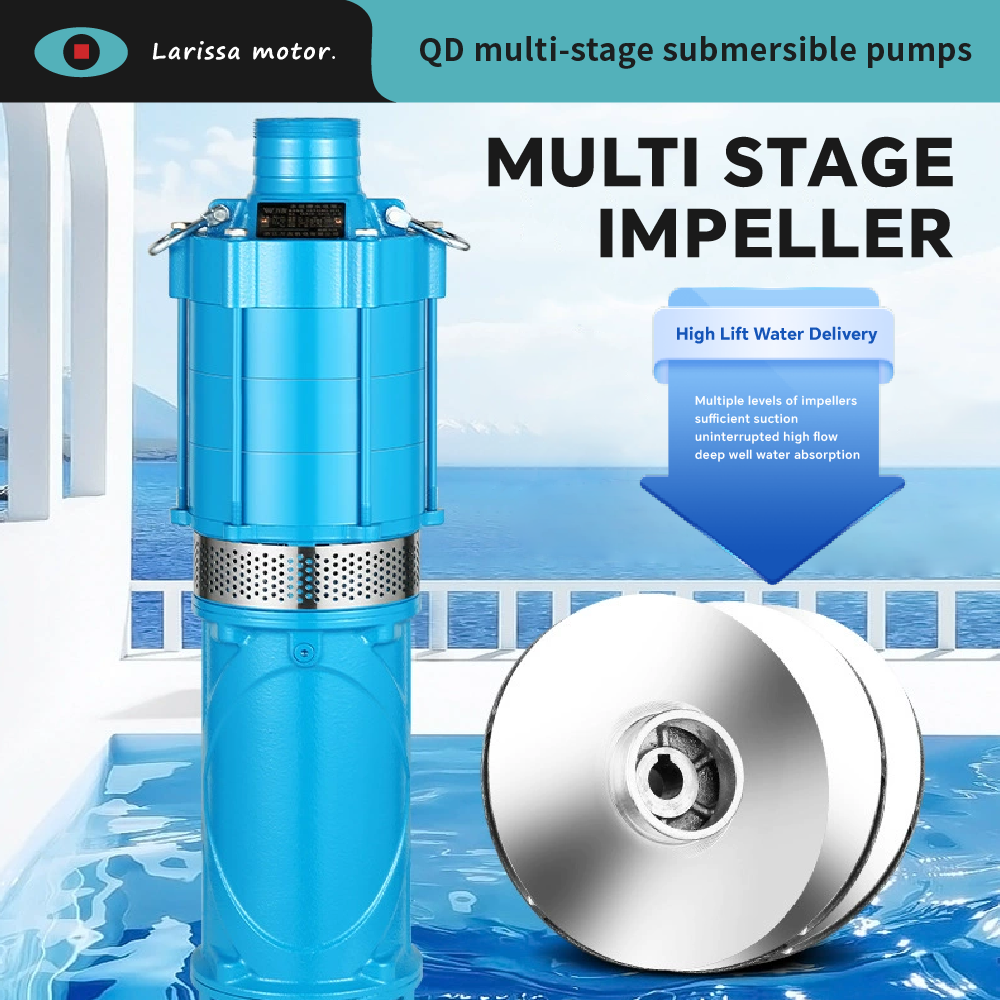
Choosing the right submersible well pump is critical for efficient water extraction in various applications, from agriculture to municipal water supply. As a B2B buyer, understanding the specifications, potential issues, and sourcing options is essential to make informed decisions. This article aims to guide purchasing managers, engineers, and other professionals through the complexities of selecting and sourcing submersible well pumps, ensuring optimal performance and reliability in their operations.
Key Specifications to Evaluate in Submersible Well Pumps
When evaluating submersible well pumps, focus on several critical specifications:
Motor Power: The power rating, typically measured in horsepower (HP), impacts the pump's efficiency and performance. Ensure that the motor can handle the required flow rate without overheating.
Pump Size and Weight: The physical dimensions and weight of the pump affect installation. A pump that is too large may not fit into the well casing, while excessive weight can complicate handling and installation.
Material and Coating: Pumps made from durable materials like stainless steel offer longevity, especially in harsh environments. Coatings can provide additional protection against corrosion and wear.
Efficiency Rating: Look for energy-efficient models that reduce operational costs over time. Efficiency ratings can help identify pumps that deliver optimal performance with lower energy consumption.
Certification Standards: Ensure the pump meets international standards for safety and performance, which can be a crucial factor when sourcing for global markets.
Understanding these specifications helps in making an informed choice that aligns with your operational needs.