Types of Water Pumps for Industrial Applications

Get a Professional Sourcing Quote

Our pump experts will review your request and reply within 12 hours.
Choose Your Needs Optional Business Type
Customization Requirements Optional
Email
Name
Company Name & Website
Message
0/1000

types of water pumps

Choosing the  right type of water pump is crucial  for  various industrial  and commercial applications. With numerous options available, understanding the different types of  water pumps  and their  specific applications can help B2B buyers make informed decisions. This article  will cover essential  factors to  consider when selecting  a  water pump, key  specifications to evaluate,  top  materials  used, installation guidance,  and  where  to find  reliable suppliers.
Key Specifications to Evaluate When Sourcing Water Pumps

Key Specifications to Evaluate When Sourcing Water Pumps

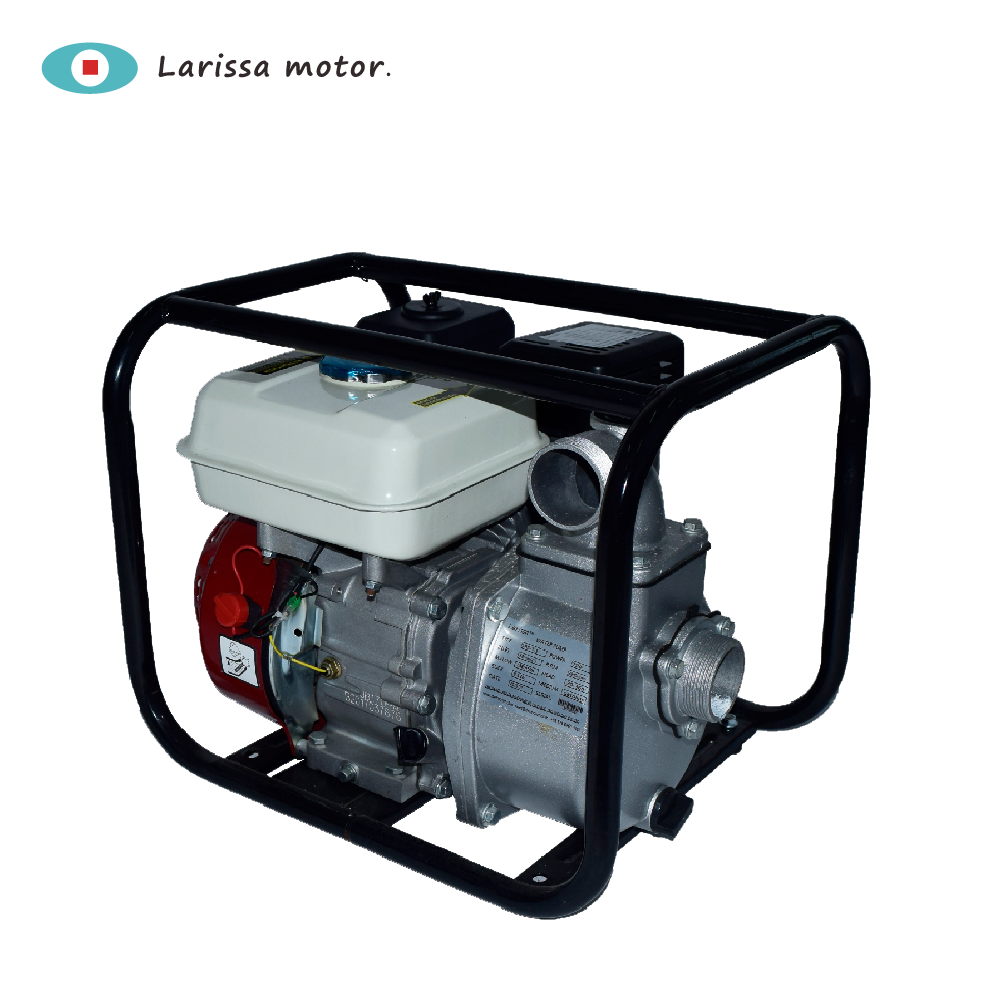
Buyers should focus on several key  specifications when evaluating  water  pumps:  Material: The construction material impacts durability  and compatibility with the fluid. Common  materials include  stainless steel, cast iron, and thermoplastics. Power Source: Determine  whether you need an electric, diesel, or hydraulic  pump. Each type has its advantages depending on the application and location. Pump  Size:  Ensure the pump fits within the space constraints of your installation while still meeting performance requirements. Efficiency Ratings: Look  for energy-efficient models. Higher efficiency pumps can lead to significant cost savings over time, especially in large-scale  operations.  Maintenance Needs:  Evaluate how easy it is to service and maintain the  pump.  Some designs may  require more frequent maintenance than others.

Understanding these specifications allows buyers to make  informed decisions  that meet both performance and budgetary  constraints.
Top Materials Used in Water Pumps and Their Advantages

Top Materials Used in Water Pumps and Their Advantages

The  materials used in constructing water pumps directly affect their  performance and longevity. Here are some common materials and their  benefits:  Stainless Steel: Known for its corrosion resistance, stainless steel  is  ideal  for applications involving aggressive fluids or environments. It offers durability and strength, making it suitable for  both commercial and industrial sectors. Cast Iron: Often used for heavy-duty pumps, cast  iron provides  strength and  stability. It is suitable  for pumping water and  other non-corrosive fluids and is  widely used in municipal  and agricultural applications. Thermoplastics: Lightweight and resistant  to corrosion, thermoplastics  are ideal for chemical  applications. They are also often  more affordable than metal options, providing a cost-effective solution for specific needs.

Selecting the appropriate  material based on the application requirements can significantly enhance pump  performance and lifespan.

Installation Guidance for Efficient Water Pump Performance

Installation Guidance for Efficient Water Pump Performance

Proper installation is critical for  ensuring optimal  performance and  longevity of water pumps.  Here are some best practices:  Site Preparation: Ensure the installation site is clean and level to support the pump securely. Consider accessibility for maintenance and monitoring. Pipe  Sizing: Use the appropriate pipe size to  minimize friction loss and ensure efficient  flow. Oversized or  undersized pipes can lead to performance issues. Mounting: Follow the manufacturer's guidelines for mounting the pump. Ensure it is securely fastened to reduce vibrations that can lead  to wear  over time. Priming: Some pumps require priming  before use. Ensure you understand the priming requirements specific to your  pump  type to avoid damage.  Testing: After installation, conduct thorough testing  to confirm the pump operates within the desired parameters. Monitor for leaks and unusual noises that  may indicate  installation issues.

By adhering to these guidelines, buyers can maximize the performance  of their water pumps  and minimize the risk of operational failures.

Where to Find Reliable Suppliers for Quality Water Pumps

Finding a trustworthy supplier  is essential for acquiring quality water pumps. Here are several strategies to locate  reputable  suppliers:  Industry Associations: Joining  industry-specific associations can provide  access to a network of manufacturers and  suppliers,  including those specializing in water pumps. Trade Shows: Attending trade shows allows  buyers to interact directly with manufacturers, see products firsthand, and discuss specific needs with experts.  Online Marketplaces and Directories: Websites like ThomasNet or industry-specific  directories  can help identify  suppliers based on location  and product offerings. Manufacturer  Recommendations: Consider reaching out to  manufacturers like Larissa Motor, which have established reputations  for  producing high-quality pumps and may provide referrals to reliable distributors. 

By leveraging these resources, buyers can ensure they  are sourcing  from reputable suppliers who meet their quality and performance expectations. Additionally, if you're looking for a reliable solution for agricultural needs, consider our DC CPM Centrifugal Water Pump for Solar Irrigation.

How to Choose the Right Water Pump for Your Project Applications

Selecting the  right  water pump  starts  with understanding its intended application. Different water  pumps are designed  for various tasks, such as transferring water, draining, or even moving sewage. Common types include centrifugal pumps, positive displacement pumps, submersible pumps, and diaphragm pumps. 

When choosing a pump, consider the following factors:

  Flow Rate: Determine  the required  flow rate for your application, typically measured in  gallons per minute (GPM)  or liters per second (L/s). This will help  narrow  down your choices. Head Pressure: Understand the vertical distance the  pump needs to move water. This is essential for ensuring the pump  can handle the pressure required for your specific application. Fluid Characteristics:  Consider the type of fluid being pumped (clean water, sewage, chemicals) and its temperature range. This  will influence the material and design of  the pump.

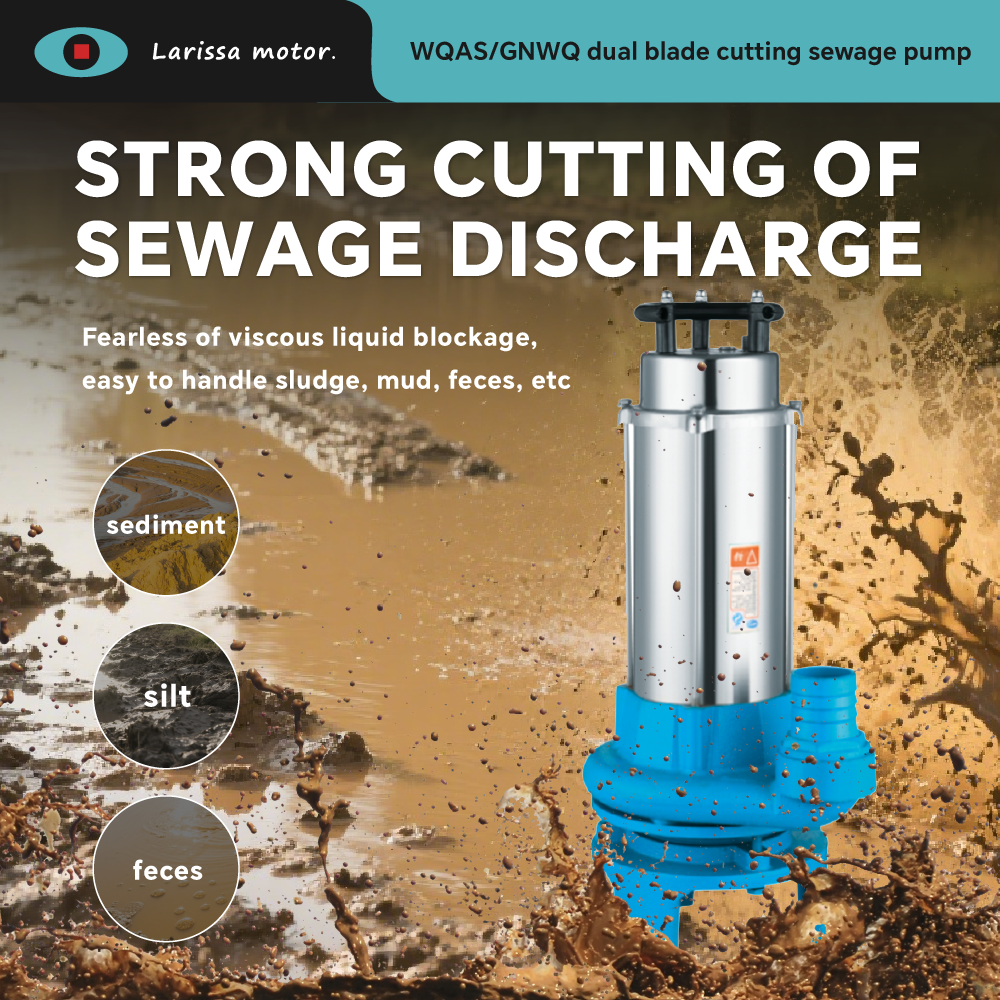
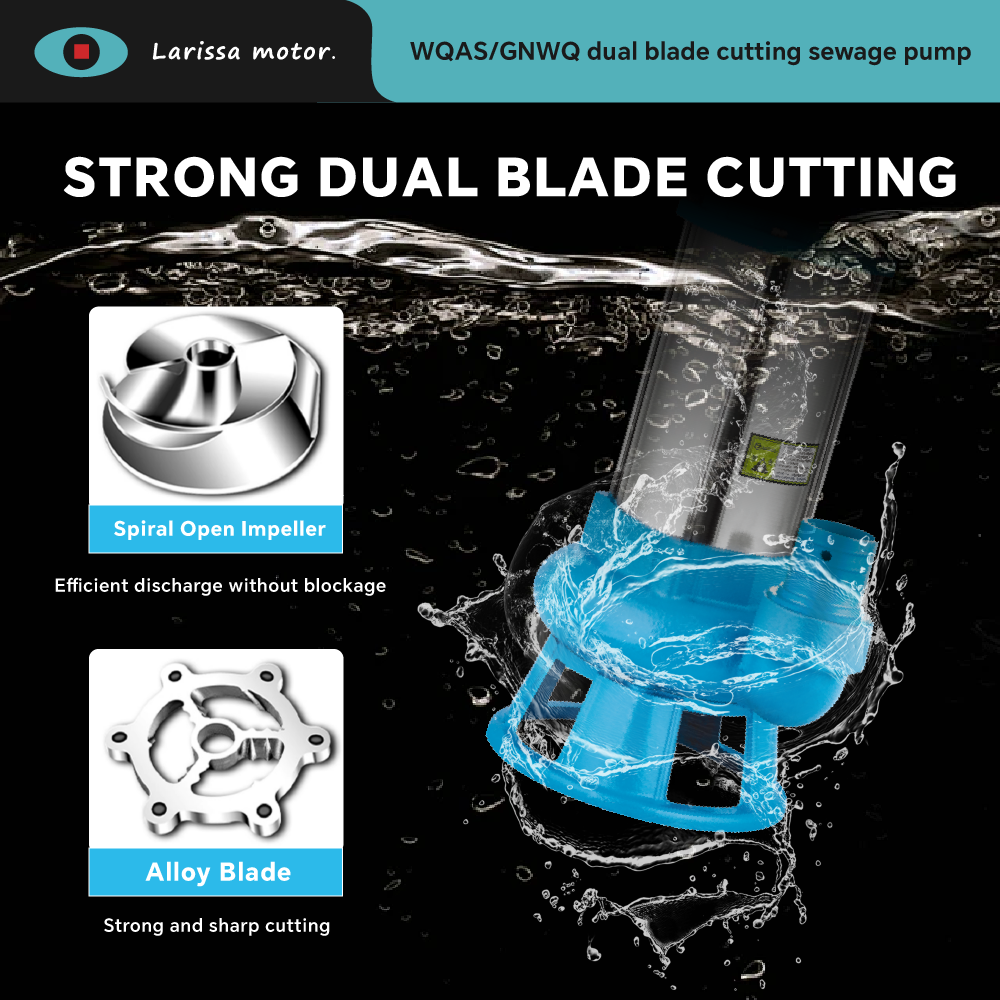
Involving a manufacturer like Larissa Motor, known for producing high-quality electromechanical products, can provide insights into the best options tailored  to your specific needs. Additionally, for applications dealing with sewage or wastewater, you might want to explore our Efficient Cutter Submersible Sewage Pump for Wastewater Treatment to ensure optimal performance.

Get a Professional Sourcing Quote

Our pump experts will review your request and reply within 12 hours.
Choose Your Needs Optional Business Type
Customization Requirements Optional
Email
Name
Company Name & Website
Message
0/1000

Related product categories