Choosing the Right Automatic Water Pump for Your Needs

Get a Professional Sourcing Quote

Our pump experts will review your request and reply within 12 hours.
Choose Your Needs Optional Business Type
Customization Requirements Optional
Email
Name
Company Name & Website
Message
0/1000

automatic water pump

Choosing the right automatic water pump for  your project needs can be a crucial decision for purchasing managers, engineers,  and project planners. An  automatic  water  pump is designed to provide  efficient and reliable water movement  in various applications,  from  industrial settings to residential systems. When  sourcing these pumps, buyers often  face concerns about compatibility, performance specifications,  and overall cost-effectiveness. This article will guide  you through the  essential factors to consider  when selecting an automatic water  pump, ensuring you  make  an  informed  purchasing decision.
Key Specifications to Consider When Sourcing Automatic Water Pumps

Key Specifications to Consider When Sourcing Automatic Water Pumps

When sourcing automatic water  pumps, several key specifications should be evaluated to ensure optimal performance:

Flow Rate: This is the volume of water the pump can move in a  given time,  typically measured in liters per minute (L/min) or gallons per minute (GPM). It's crucial to match the flow rate with the demands of  your application  to avoid underperformance or energy waste.

Head Pressure: This refers to the height that the pump can lift water. Understanding the total dynamic head (TDH) required for your system helps in  selecting a pump that can operate efficiently  under your  specific conditions.

Power Requirements: Automatic water pumps are available in various power configurations, including electric and diesel options. Assess  the power availability at your site and consider  energy efficiency  to minimize operational costs.

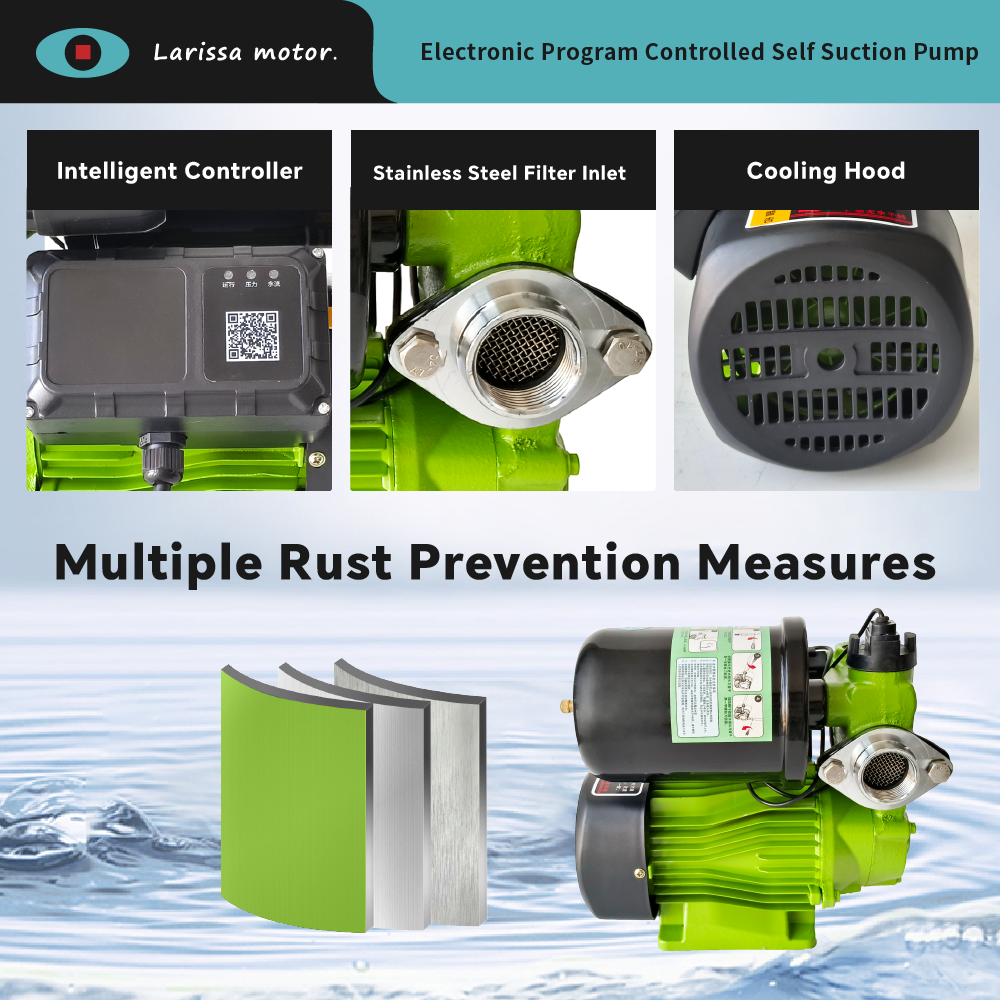
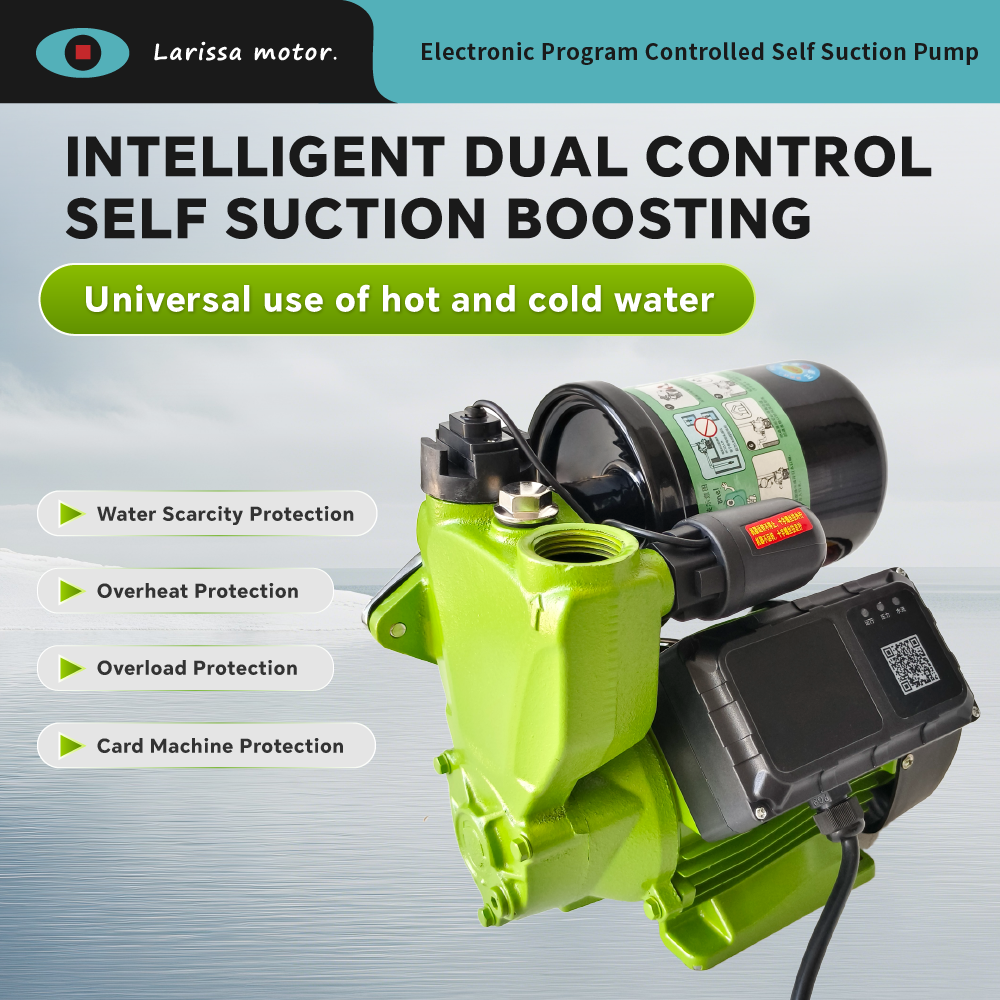
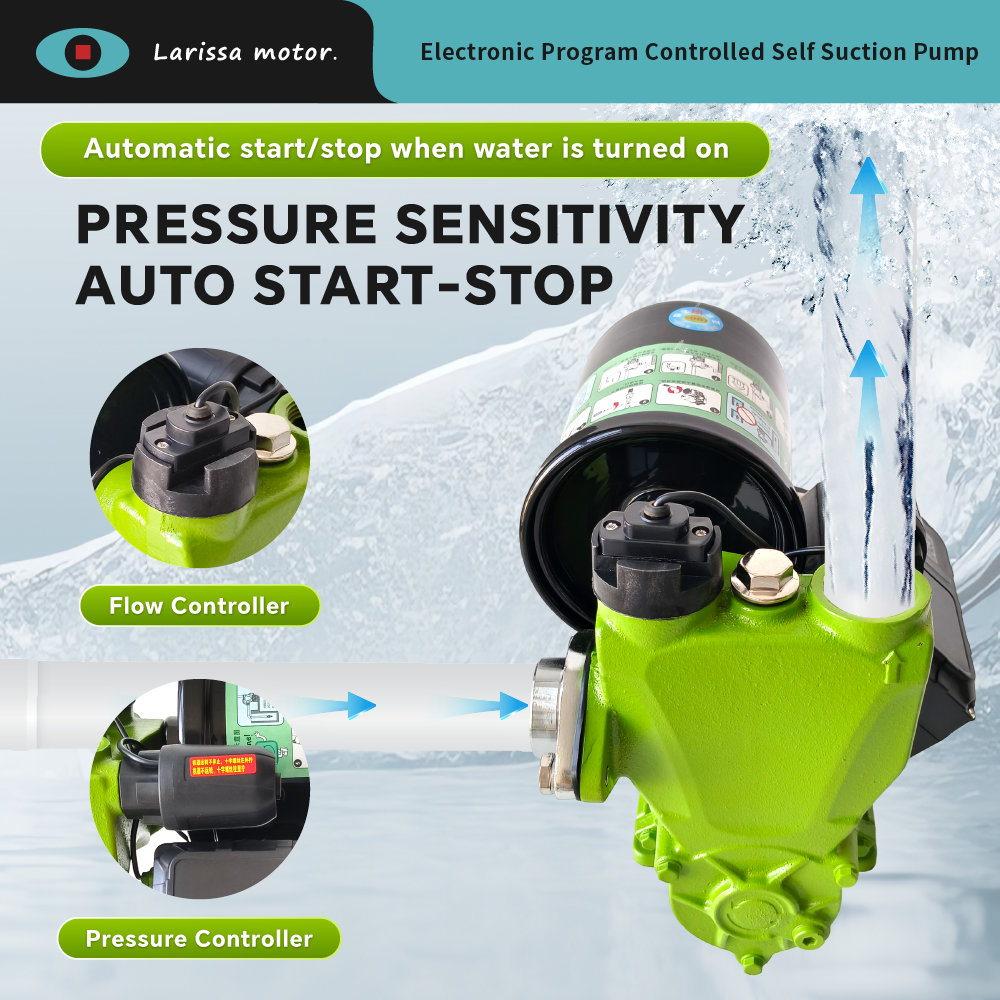
Control Mechanisms: Look for  pumps with built-in control systems  for automatic  operation. Features such as float switches, pressure sensors, and timers can significantly enhance usability and performance.

Durability and Materials:  The construction materials of the pump should be suitable for the operating environment. For instance, pumps used in harsh chemical environments need to be resistant to corrosion and wear.

Certifications: Ensure that the pumps meet international standards,  which can  be a mark  of quality and reliability. Certifications may include ISO standards or CE markings.

Evaluating these specifications with the help of a knowledgeable supplier will help ensure  you select a pump that meets both your performance  needs and budget constraints.
What You Should Know

What You Should Know

Understanding  the operational requirements and maintenance of automatic water pumps is  vital  for  long-term efficiency. Buyers should be aware of the following  aspects:


Maintenance Needs:  Regular maintenance can extend the life of  an automatic water pump  and prevent costly breakdowns. Familiarize yourself  with the maintenance schedule, including routine inspections and part replacements.

Installation Requirements: Proper installation is crucial for optimal performance. Review the  installation  guidelines and consider professional installation to avoid issues  related  to misalignment or improper setup.

Warranty and  Support: Check the warranty provided with the pump. A comprehensive warranty can offer peace of mind and protect your investment. Additionally, ensure that  the manufacturer provides reliable customer support in case of any operational issues.

Sample Testing:  Before committing to a bulk order, request samples to test under actual operating conditions. This step can  help identify potential issues and confirm that the pump  meets  your specific requirements.

Features That Matter Mos

Features That Matter Mos

When evaluating automatic water pumps, certain  features  can significantly impact their performance and efficiency:


Self-Priming Capability: This feature allows  the pump to remove air and create a vacuum,  which is  essential for consistent operation, especially  in applications where the pump  is  located above the water source.


Variable  Speed Control: Pumps with variable speed control can adjust  their operation based on demand, leading to energy savings and reduced wear  over time.


Noise Level: Depending on the application, noise may  be a concern. Consider pumps designed for quiet operation if they will  be used in residential areas or sensitive environments.

Smart Technology  Integration: Some modern pumps offer connectivity options for remote monitoring and control, allowing for better management and efficiency.

By prioritizing these features, you can ensure the  selected pump aligns  with  your operational goals and enhances overall productivity.

Understanding the Cost Factors of Automatic Water Pumps for Buyers

The cost of automatic water  pumps can vary widely based on several factors:

Specifications and Features: Higher specifications, such as increased  flow  rates,  advanced automation,  or specialized materials, typically lead to higher prices. It's essential to balance the required features with your  budget.

Customization: If your application requires a custom solution, be prepared for additional costs. Customization may involve design alterations or special materials that can increase production time and expenses.

Volume Discounts: Purchasing in larger quantities often results in lower per-unit costs. If  your project  allows for bulk buying, consider negotiating with suppliers for discounts.

Shipping and Handling: Depending on the location of the supplier, shipping costs can impact  the overall price. Ensure clarity on shipping terms and any potential  additional fees.

Long-Term Operational  Costs: Evaluate the total cost of ownership, including energy  consumption, maintenance, and replacement parts, over the pump's expected lifespan. A lower upfront cost may not always translate to long-term savings.

Understanding these cost factors will enable  you to make a more  informed purchasing decision, ensuring  a balance between initial investment  and long-term value.

By adhering  to these guidelines and considering the insights provided, buyers can confidently select an  automatic water  pump that meets  their project requirements while ensuring optimal performance and reliability.

Choosing the Right Automatic Water Pump for Your Project Needs

Selecting the appropriate automatic water pump begins with  understanding the  specific requirements of your project.  First, identify the application—whether it's  for irrigation, water supply in commercial buildings, or wastewater management. Each application demands different performance characteristics,  such as flow rate, pressure, and pump size. For instance, if your focus is on irrigation, you might want to explore options like Irrigation Pumps which are specifically designed for such applications.


Consider the  environment where  the pump will be installed. Factors  like temperature, humidity, and exposure to chemicals can influence the type of  materials used in the pump construction. For instance, a pump exposed to  corrosive substances  may require materials like stainless steel or specialized plastics.

Finally, assess the pump's automation features.  Many modern  pumps come equipped with sensors  and control systems that enhance efficiency and provide real-time monitoring.  This can significantly reduce operational costs and improve  reliability. Engaging with an experienced supplier, such as  Larissa Motor, can aid in customizing a pump  to meet  your project's unique requirements, whether it be for Solar Pumping Systems or other applications.

Get a Professional Sourcing Quote

Our pump experts will review your request and reply within 12 hours.
Choose Your Needs Optional Business Type
Customization Requirements Optional
Email
Name
Company Name & Website
Message
0/1000

Related product categories