EN
EN

Motorized pumps are essential electromechanical devices widely used across various industries to transfer liquids efficiently and reliably. For purchasing managers, engineers, and other B2B buyers, understanding the intricacies of motorized pumps is crucial to making informed decisions. This article will delve into key considerations such as reliability assessment, installation challenges, important features for contractors, and cost factors related to bulk orders. By the end, readers will be better equipped to evaluate motorized pump options that meet their specific requirements.
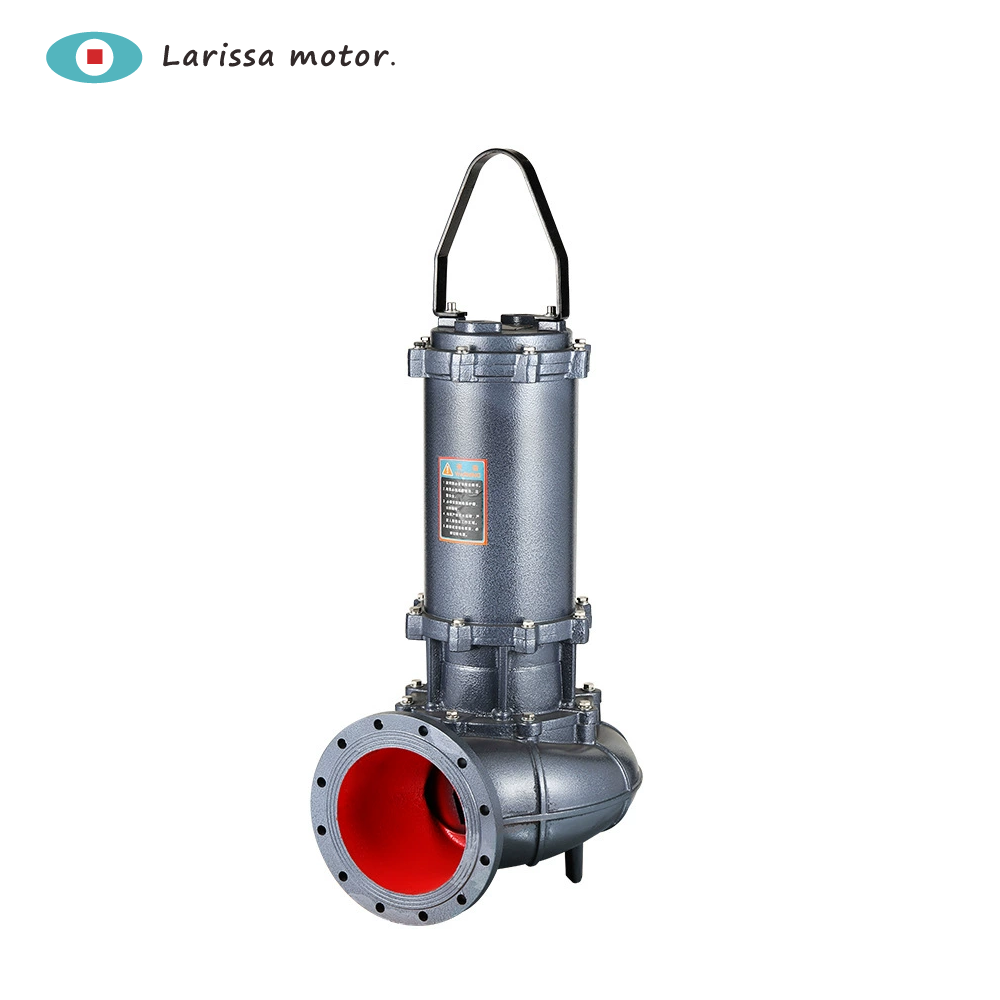
How to Assess Motorized Pump Reliability
Reliability is a paramount concern for buyers of motorized pumps, as any failure can lead to costly downtimes and operational inefficiencies. To assess the reliability of a motorized pump, buyers should consider the following factors:
Material Selection: The materials used in the pump's construction directly impact its durability. Stainless steel and high-grade plastics are often preferred for their resistance to corrosion and wear.
Testing Procedures: Reputable manufacturers conduct rigorous testing on their pumps to ensure they can withstand the required operating conditions. Buyers should inquire about these testing processes, including pressure tests and operational simulations.
Warranty and Support: A strong warranty can be an indicator of the manufacturer's confidence in their product's reliability. Buyers should also evaluate the level of customer support available for troubleshooting and maintenance.
User Feedback: Collecting feedback from existing users can provide valuable insights into a pump's long-term performance, helping to identify common issues and reliability concerns.
By focusing on these aspects, buyers can make more informed choices, choosing motorized pumps that offer stable performance and longevity.