Choosing the Right Pressure Pump for Bathrooms

Get a Professional Sourcing Quote

Our pump experts will review your request and reply within 12 hours.
Choose Your Needs Optional Business Type
Customization Requirements Optional
Email
Name
Company Name & Website
Message
0/1000

pressure pump for bathroom

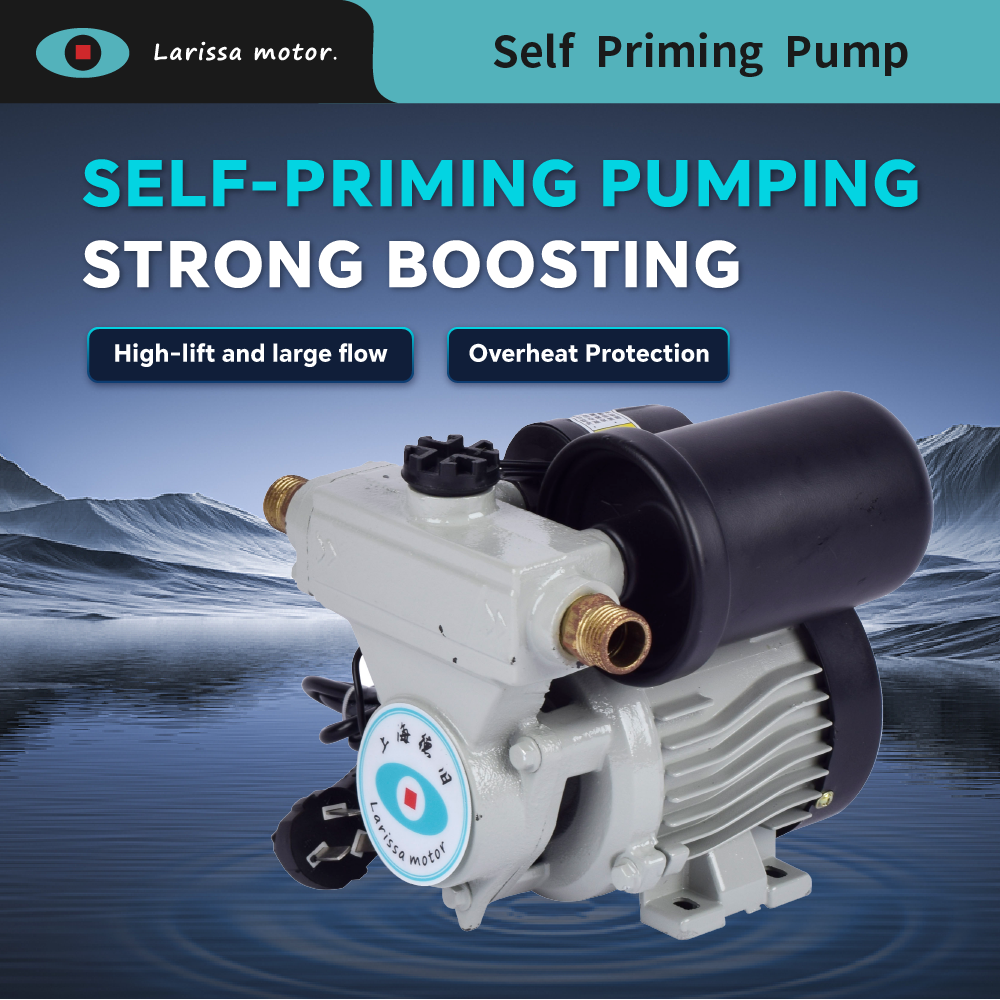
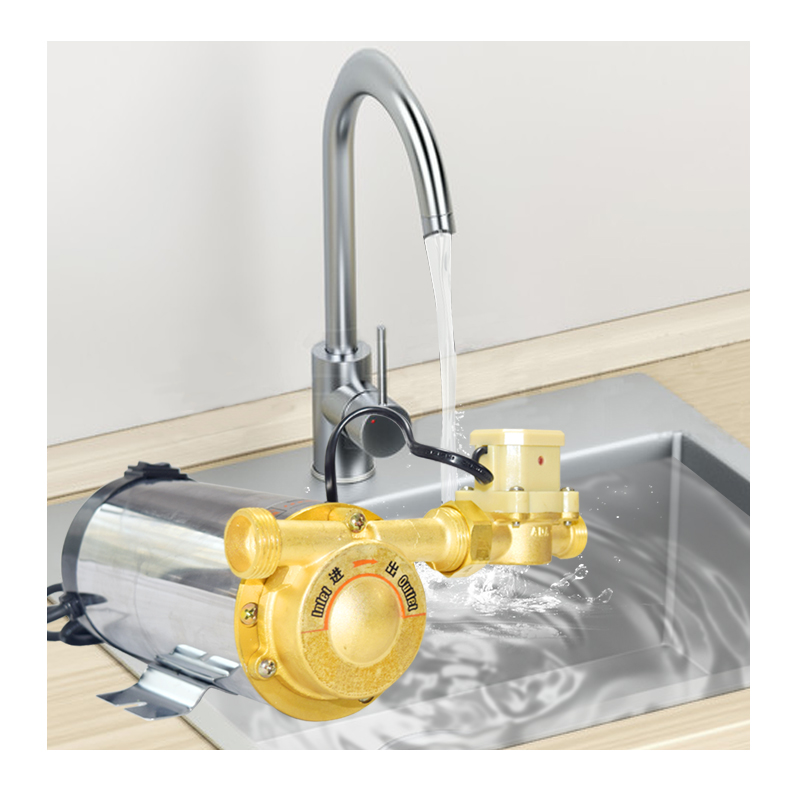
Choosing the right  pressure pump  for your  bathroom projects is crucial for ensuring consistent water  supply and functionality. A  pressure pump for bathroom use  helps maintain  adequate water pressure,  improving  the performance of  showers, faucets,  and other plumbing  fixtures. As a purchasing manager or product manager, understanding the specifications, applications, and  installation  challenges associated with  these pumps will empower  you to  make  informed decisions  that meet your  project's needs. For more information on different types of pumps, you might want to check our page on Solar Pumping Systems.
Understanding the Cost Factors for Bathroom Pressure Pumps

Understanding the Cost Factors for Bathroom Pressure Pumps

The cost of pressure pumps  for bathrooms can vary significantly based on several factors.  Key elements  influencing pricing include the pump type,  material quality,  performance specifications, and customization  options.

For instance, centrifugal pumps may be priced lower  than  positive displacement pumps due to  their simpler design  and manufacturing process. However, if your application demands higher pressures or specialized materials  that resist corrosion  or chemical exposure, the price may increase accordingly.

Another factor affecting  price is the manufacturing capabilities of the supplier. Companies like Larissa Motor, with in-house  development and manufacturing, may  offer competitive pricing  due to reduced outsourcing costs. Additionally, economies  of scale can lower  costs for bulk orders, which is essential for larger projects.

Don’t forget to  include installation and maintenance costs in your overall budget. Selecting a pump that is easy to install and maintain can lead  to long-term savings.
Common Installation Challenges with Pressure Pumps and Solutions

Common Installation Challenges with Pressure Pumps and Solutions

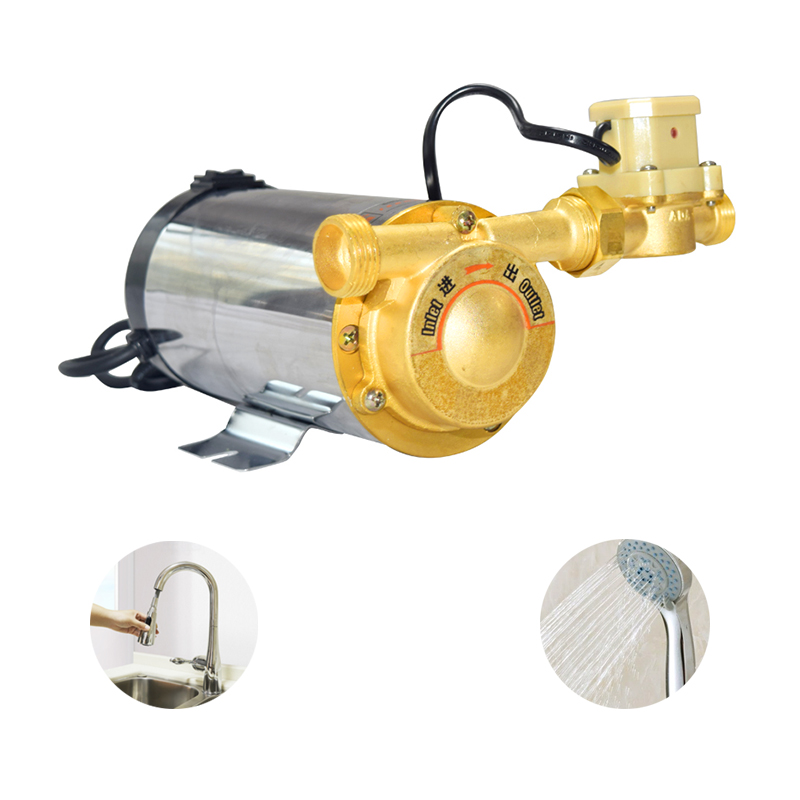
Installing a pressure pump in a bathroom can present several challenges. One common  issue is ensuring proper alignment with existing plumbing. Misalignment can lead to inefficient operation or even damage to the  pump. A practical solution is  to use flexible  connections during installation, allowing for minor adjustments to be made easily.

Another challenge is ensuring adequate electrical supply and protection against moisture. Pressure pumps require a reliable power source, and improper  wiring can cause operational failures.  It’s advisable to consult with a  qualified  electrician to ensure  compliance with local electrical codes.

Noise levels can also be a concern, especially in residential applications. Installing acoustic insulation around  the pump can mitigate noise, ensuring a  more pleasant environment. Moreover, some manufacturers provide noise-reducing designs that can be beneficial  in multi-family dwellings.

Lastly, verify  that the pump's capacity aligns with the  bathroom's water  supply. If the supply line is insufficient, it may result in inadequate  pressure. Conducting  a thorough assessment of the supply system prior to installation can  prevent  these issues.

What to Know

What to Know

Before purchasing  a pressure pump for a bathroom, it's  essential to  gather specific information to facilitate  a smooth procurement  process. Start  by defining the application—are you using the pump for  a residential bathroom or a  commercial facility?  This distinction can  significantly influence your choice of specifications.

Next, prepare a list of required specifications, including desired  flow rates, pressure outputs, and any necessary certifications. Buyers should also consider  the pump's power requirements and compatibility with existing plumbing  systems.

When requesting quotes, provide detailed information such  as the  intended application, quantity, and any customization needs. This  transparency helps  suppliers offer accurate pricing and lead times.  It is also advisable to request samples or prototypes to evaluate performance and compatibility before  committing to larger orders.

Applications of Pressure Pumps in Residential and Commercial Bathrooms

Pressure pumps serve vital roles in both residential and commercial bathroom settings. In residential applications, they ensure consistent water pressure for showers, faucets, and other fixtures, enhancing the overall user experience.  These pumps are especially beneficial in homes  with  low water pressure or  multiple  bathrooms where simultaneous use is common.

In commercial settings, pressure pumps are crucial  for managing  water supply in facilities such as hotels, office buildings,  and shopping centers.  They facilitate  the operation of numerous fixtures  simultaneously, catering to high-demand scenarios. Furthermore, customization options allow these  pumps to be  tailored for specific requirements, such as varying operational hours or peak usage times.

Additionally, pressure pumps can enhance water efficiency by ensuring that water is delivered at optimal pressures without unnecessary wastage. This is particularly  relevant in regions with strict water  conservation regulations. 

By understanding the applications and advantages of  pressure  pumps, B2B buyers can make informed decisions  that align with their project's requirements, ensuring optimal performance  and reliability.

How to Choose the Right Pressure Pump for Your Bathroom Projects

When selecting a pressure pump for bathroom projects,  consider  several key factors. First,  assess the water demand of your bathroom fixtures. This includes understanding the required flow rate  and pressure levels to ensure optimal  performance. Pressure pumps typically have specifications detailing their maximum flow rate  (measured in liters per minute) and pressure output (typically measured in bars or psi). 

Next, evaluate the pump type. Common types include centrifugal pumps,  which  are suitable for high flow  applications, and positive displacement pumps, ideal for situations  requiring high pressure. The choice depends on the specific  application within the bathroom, such as whether it’s for a single shower or multiple fixtures operating simultaneously. If you are considering pumps for agricultural uses, our page on Agricultural Water Pumps may provide additional insights.

Additionally, consider customization options. Many manufacturers, like Larissa  Motor, offer pumps that can be tailored to specific requirements,  including dimensions, materials, and performance characteristics. This may help to ensure compatibility with  existing plumbing systems and optimize performance.

Lastly, verify the certifications and adherence to  international standards. Choosing a pump that meets European  standards, for  example, can assure quality and reliability, which are critical in  commercial and residential applications.

Get a Professional Sourcing Quote

Our pump experts will review your request and reply within 12 hours.
Choose Your Needs Optional Business Type
Customization Requirements Optional
Email
Name
Company Name & Website
Message
0/1000

Related product categories