
Evaluating Solar Powered Water Pumps for Your Needs

Get a Professional Sourcing Quote

Our pump experts will review your request and reply within 12 hours.
Choose Your Needs Optional Business Type
Customization Requirements Optional
Email
Name
Company Name & Website
Message
0/1000

solar powered water pump

Solar powered water pumps are innovative  solutions  that  provide  efficient water  management in various applications, from  agricultural  irrigation to residential  water  supply. As purchasing managers  and engineers  evaluate these pumps, key  concerns often  revolve  around specifications, reliability, and application suitability.  This article  aims to guide B2B buyers through  the essential aspects  of solar  powered water pumps, ensuring informed purchasing decisions.
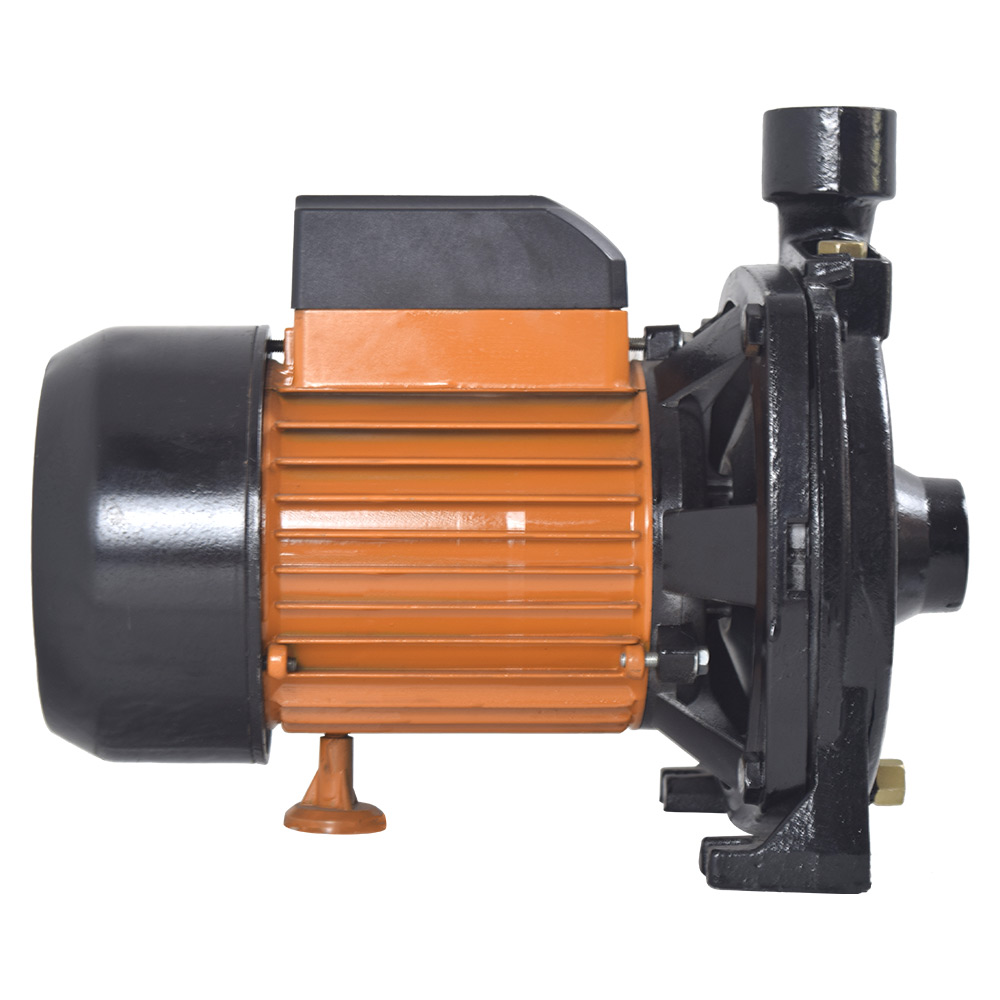
 
Wholesale Purchasing Options for Solar Powered Water Pumps

Wholesale Purchasing Options for Solar Powered Water Pumps

For businesses looking to purchase solar powered water pumps  in bulk, exploring wholesale options is advantageous. Wholesale purchasing typically offers several benefits, including reduced costs and more favorable terms. Here are key considerations:

Minimum Order Quantity (MOQ): Different manufacturers have  varying  MOQs. Buyers should  confirm the MOQ  with potential suppliers to ensure it aligns with their purchasing  capacity.

Bulk Pricing: Many suppliers offer discounts for bulk orders. Buyers should inquire about  tiered pricing structures based on order quantities to maximize cost savings.

Customization Options: When ordering  wholesale, businesses often have opportunities to customize products to meet  specific needs. This can include alterations in size,  material,  or even branding on  the pumps.


Lead Times: Understanding lead times is crucial in wholesale purchasing. Buyers should communicate  their project timelines with suppliers to ensure timely delivery of products.


Shipping and Packaging: Discussing shipping arrangements and packaging methods is essential to prevent damage during transit and to ensure the products arrive in  good  condition. Buyers should clarify whether the supplier provides packaging that complies with international  shipping standards.

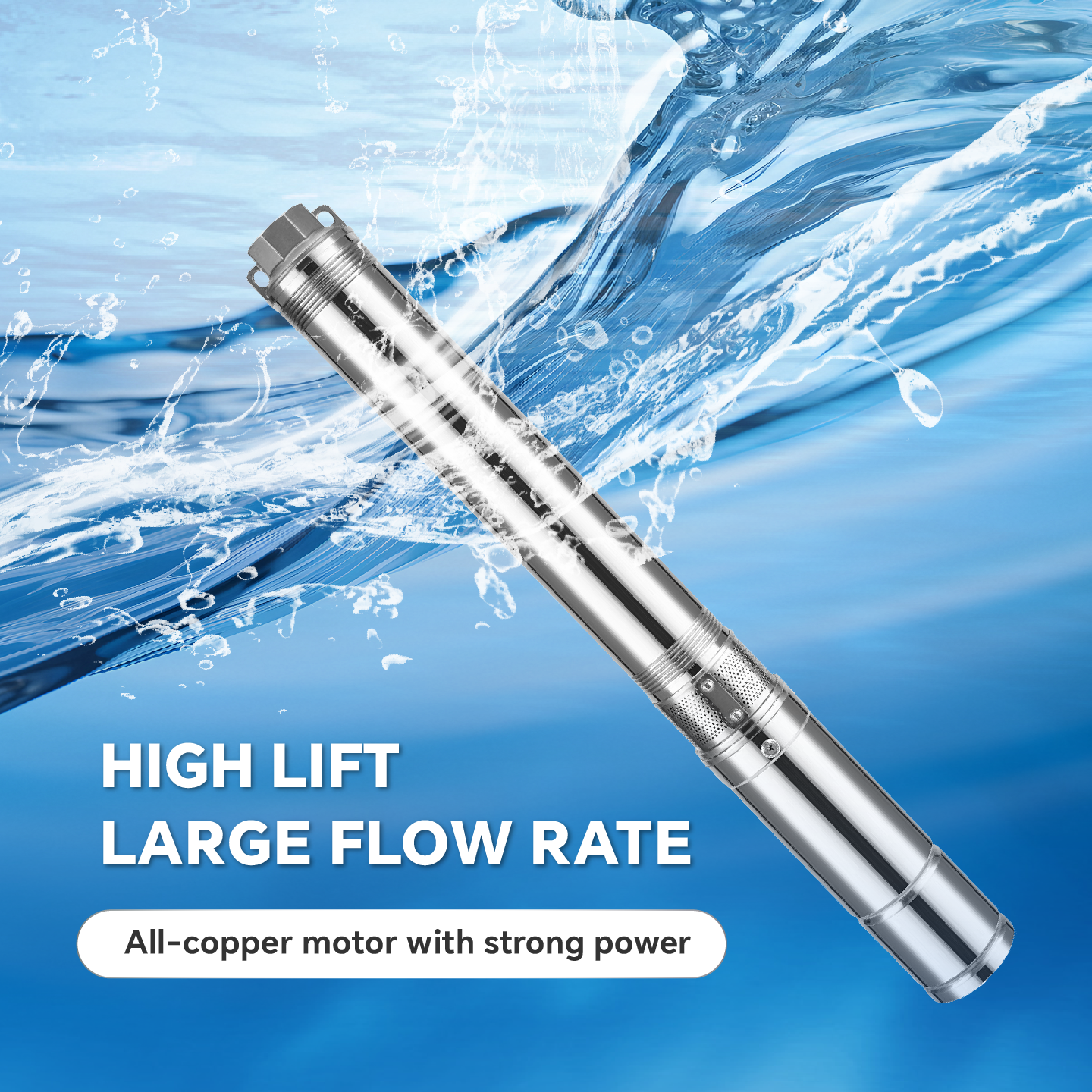
By focusing on these aspects,  buyers can negotiate effectively and secure favorable terms when sourcing solar powered water pumps, such as the Solar Powered Deep Well Submersible Pump for Off-Grid Water Supply & Irrigation.
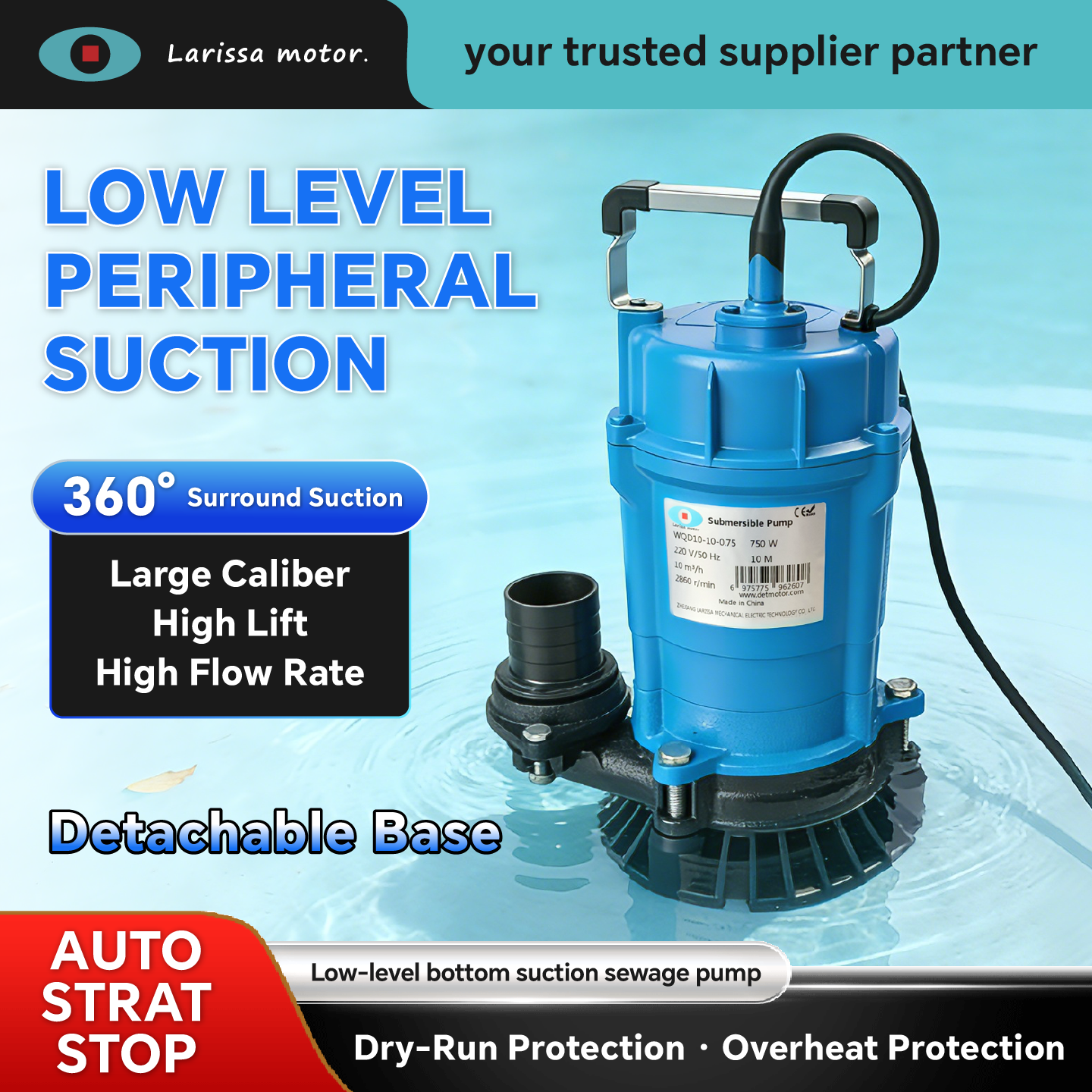
What to Look For

What to Look For

When evaluating potential suppliers  of  solar powered water pumps, B2B  buyers should consider several key criteria:

Reputation and Experience: Suppliers with a  long-standing reputation in the industry, such as Larissa Motor, which has been producing electromechanical products since 1998, often  have proven reliability and quality assurance processes in  place.

Certifications: Confirming that the supplier’s products meet international  standards is crucial for ensuring quality and  compliance. Look for certifications relevant to the manufacturing process and product performance.

Quality Control Processes: A robust quality control system  indicates  that the supplier prioritizes product quality. Buyers should  inquire about the manufacturer's quality inspection methods and whether they adhere to specific quality standards.

Technical Support and Documentation: Suppliers should provide comprehensive  technical support and documentation, including installation guides, user manuals, and maintenance  instructions. This is particularly important for ensuring the efficient operation of the pumps in various applications.

Customer Reviews and  Case Studies: Reviews from previous customers and documented case studies can provide  insight into the  supplier's reliability and product  performance under real-world conditions.

By assessing  these factors, buyers  can  select suppliers that align with their operational and quality requirements.

A Step-by-Step Approach

A Step-by-Step Approach

To streamline the purchasing process for solar powered water pumps, buyers should follow a structured approach:

Define Requirements: Clearly outline the specific  requirements based on the application, including  flow  rates, head requirements, and environmental conditions.

Research Suppliers:  Investigate potential suppliers,  focusing on their  reputation, experience, and product offerings. Compile a shortlist of  candidates for further evaluation.

Request Quotations: Reach out to shortlisted suppliers for detailed  quotations. Include specific requirements  in the RFQ  to receive accurate estimates.

Evaluate Samples: Before committing to mass production, request samples to assess quality, performance, and compatibility with existing systems. Testing samples under  actual operating conditions is advisable.

Finalize Orders: Once satisfied with the sample, finalize the order including all  necessary specifications  such as quantity, customization, and packaging options. Confirm delivery  timelines and  payment terms.

Quality Assurance: Upon  receiving  the  order, conduct a thorough inspection to ensure that products  meet the agreed-upon specifications. Address any discrepancies with the supplier promptly.

This structured approach minimizes risks and ensures that buyers receive high-quality products that  meet their needs.

Common Problems with Solar Powered Water Pumps and Their Solutions

Despite their advantages, solar powered  water pumps can  encounter issues that may affect performance. Here are some  common problems and their  solutions:


Inadequate  Power Supply: If a  solar powered  pump does not operate effectively, the issue may stem from insufficient solar energy. Buyers should ensure that the solar panels are correctly sized  for the pump’s power requirements. Regular maintenance of the  solar panels will also help maximize energy absorption.

Clogging: Debris  and sediment can  clog the pump, leading to reduced efficiency. Implementing a pre-filter system can help prevent clogging. Regular maintenance checks are recommended to clear any blockages.

Battery Issues:  If the pump is battery-operated, battery failure can lead to operational issues. It’s essential to choose high-quality batteries and to monitor their condition regularly. Consider investing in batteries with a longer  lifespan and better charge retention.

Mechanical Failures: Over time, components may wear out, leading to mechanical failures. Buyers should consult the  manufacturer's recommendations for routine inspections and maintenance schedules to identify potential issues before they  affect performance.


Temperature Sensitivity: Extreme temperatures can impact  the pump's efficiency and lifespan. Buyers should select pumps designed  to operate in their specific climate conditions and consider protective housing to shield pumps from harsh environments.

By proactively addressing these common issues, buyers can enhance the reliability and performance of their solar powered water pumps,  ensuring long-term operational success.

Key Specifications to Evaluate in Solar Powered Water Pumps

When selecting a solar powered water pump, understanding the key specifications is crucial. Here are some essential factors to consider:

Power Output: The pump's power output, typically measured in watts, indicates its capability to lift water to the desired height. Buyers should  ensure the power output  aligns with their specific operational needs,  factoring in the total dynamic head (TDH) required for their application.

Flow Rate: This specification, often expressed in liters per minute (L/min) or gallons per minute (GPM), defines how quickly  a pump can  move water. Buyers  should assess their water demand to  choose a pump with an appropriate flow  rate  that meets their requirements without overloading the system.

Material Composition: The materials used in the pump's construction affect durability and resistance to environmental  factors. Common materials include stainless steel for corrosion resistance and high-density polyethylene for lightweight  applications. Buyers should consider the water quality and environmental conditions to ensure material compatibility.

Voltage Compatibility: Most solar powered  pumps operate on DC voltage, typically 12V or 24V. It's  vital for the  buyer to verify that the pump’s voltage matches their solar panel system to avoid compatibility issues.

Efficiency Rating: The pump's efficiency rating affects its overall  performance and energy consumption. Higher efficiency pumps will  use less power, which is particularly important for solar-powered systems where energy availability can  be limited.


Understanding these  specifications allows buyers to select  a pump that meets both their operational and budgetary constraints. For example, if considering a DC CPM Centrifugal Water Pump for Solar Irrigation & Agricultural Water Transfer, buyers should evaluate its efficiency and power output in relation to their specific needs.

Get a Professional Sourcing Quote

Our pump experts will review your request and reply within 12 hours.
Choose Your Needs Optional Business Type
Customization Requirements Optional
Email
Name
Company Name & Website
Message
0/1000

Related product categories