EN
EN
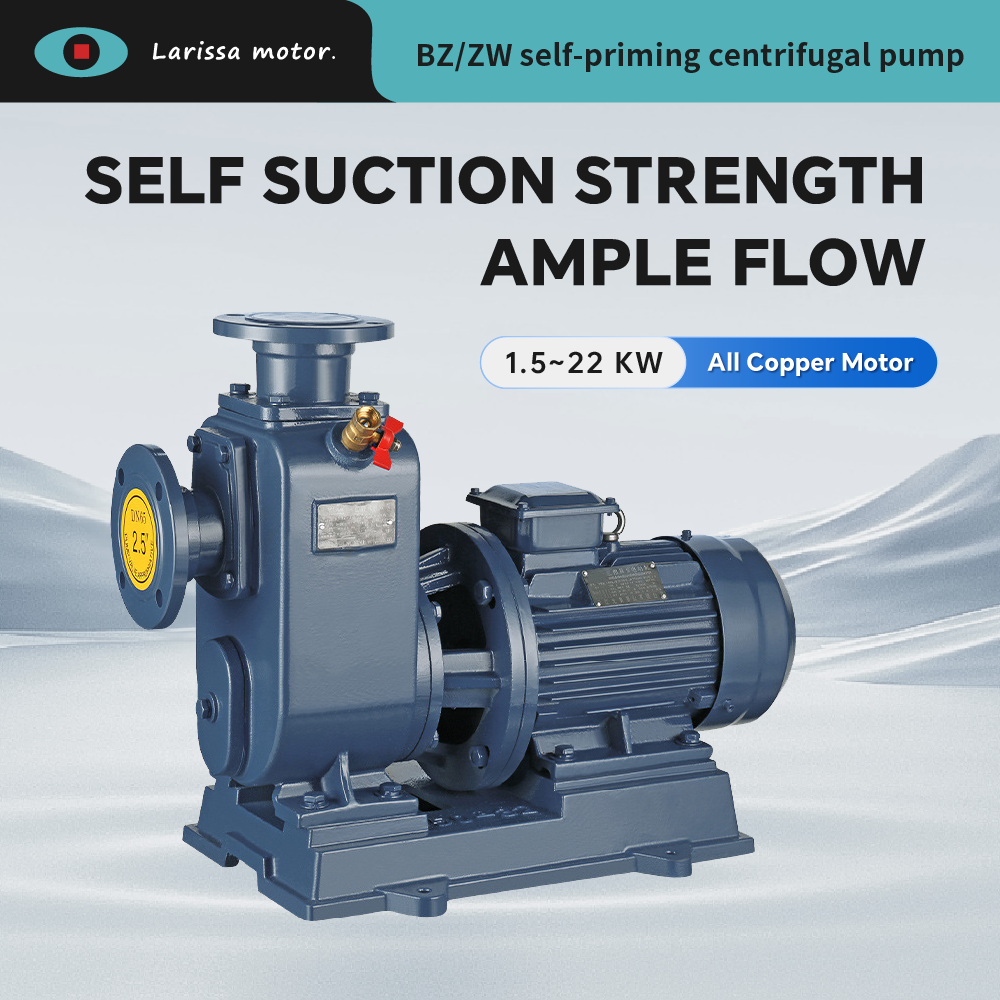
Centrifugal pumps play a crucial role in various industrial applications, serving as essential components in the transportation of fluids. Understanding the different types of centrifugal pumps is vital for wholesale buyers, purchasing managers, and engineers alike. This article will clarify the various centrifugal pump types, key specifications to consider during purchase, and insights on finding reliable manufacturers. Additionally, it will address concerns specific to distributors and provide installation guidance, helping buyers make informed decisions.
Key Specifications for Evaluating Centrifugal Pumps for Purchase
When evaluating centrifugal pumps, several key specifications must be considered to ensure compatibility with intended applications. These include:
Flow Rate: Measured in gallons per minute (GPM) or liters per second (L/s), the flow rate indicates the volume of fluid the pump can move. Buyers should match this to their operational needs.
Head Pressure: This refers to the height to which the pump can raise the fluid. It is crucial to ensure the pump can deliver the required pressure for the specific application.
Material Construction: The pump materials must withstand the fluids being pumped, including any corrosive properties. Common materials include stainless steel, cast iron, and engineered plastics.
Efficiency Rating: Efficiency impacts operational costs. More efficient pumps consume less energy, leading to cost savings over time. For instance, the Heavy-Duty Industrial Boiler Feed Water Pump for Hot Water Circulation & Heating Systems is designed for optimal efficiency.
NPSH (Net Positive Suction Head): This specification is essential for preventing cavitation, which can damage the pump. It is important to ensure the NPSH available meets or exceeds the NPSH required by the pump.
Buyers should carefully review these specifications and consult with manufacturers to ensure the selected pump meets their operational requirements.