EN
EN

Selecting the right water pump for an irrigation system is crucial to ensure efficient water distribution and optimal crop health. A water pump for irrigation systems must deliver reliable performance, suit specific agricultural needs, and meet certain specifications to align with the demands of the environment. This article aims to provide valuable insights for purchasing managers, engineers, and distributors on how to choose the best water pump, key specifications to consider, and where to find reliable suppliers.
Key Specifications to Consider When Sourcing Water Pumps
When sourcing a water pump for an irrigation system, several key specifications should be evaluated:
Flow Rate: Determine the required flow rate based on the size of the area and the types of crops. Ensure the pump can deliver the necessary volume of water.
Total Dynamic Head (TDH): This specification indicates the height the pump can lift water, factoring in elevation changes and friction losses in piping. The correct TDH ensures that water reaches its destination effectively.
Power Source: Pumps can be powered by electricity, diesel, or solar energy. Consider the availability of power sources and the operational costs associated with each. For instance, a Solar Powered Deep Well Submersible Pump for Off-Grid Water Supply & Irrigation is an eco-friendly option.
Material Compatibility: The pump materials should be suitable for the water's chemical composition and temperature. Corrosive environments may require pumps with specific coatings or materials, such as stainless steel or durable plastics.
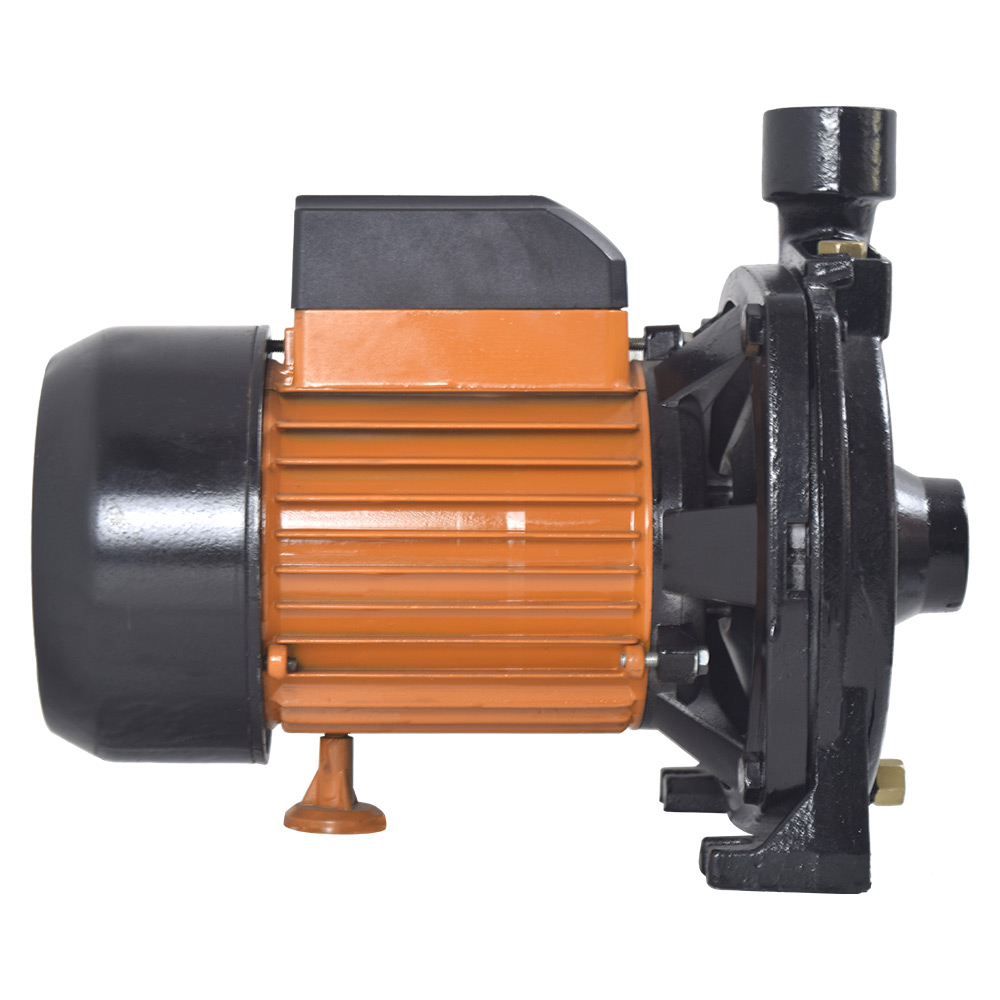
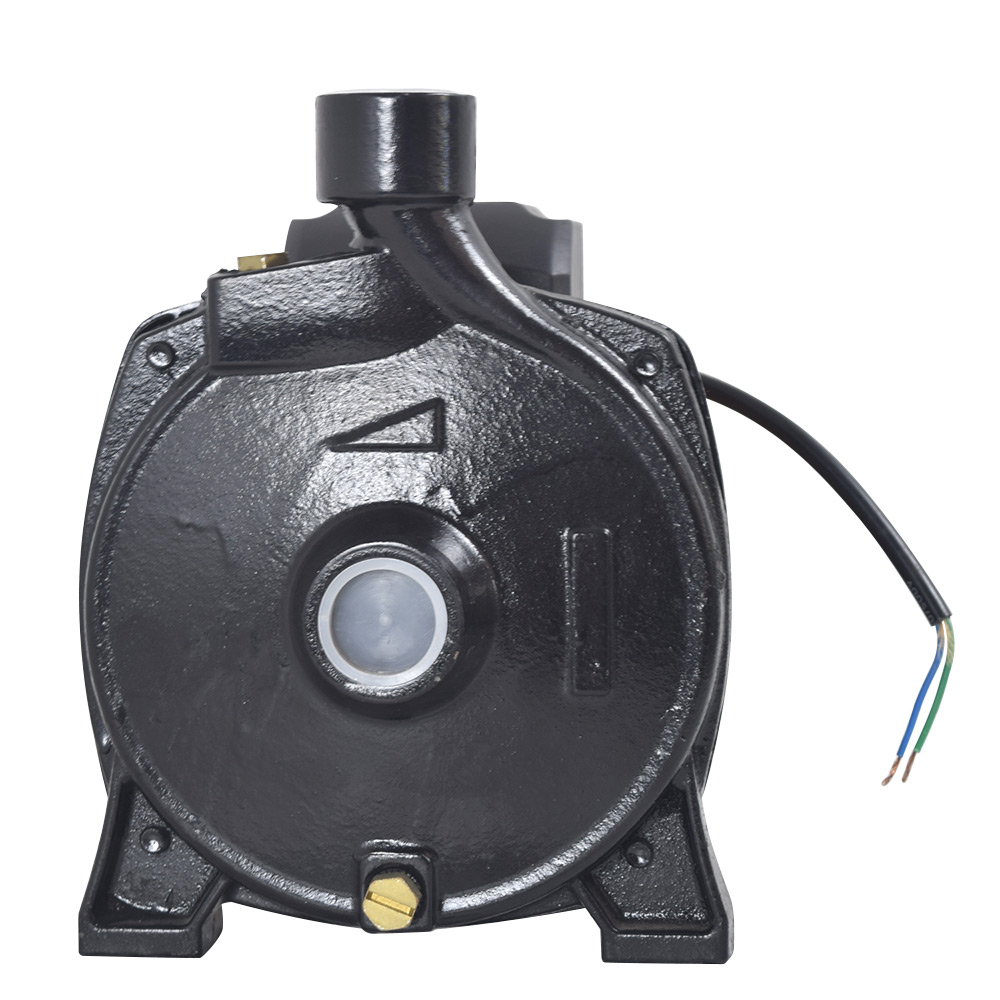
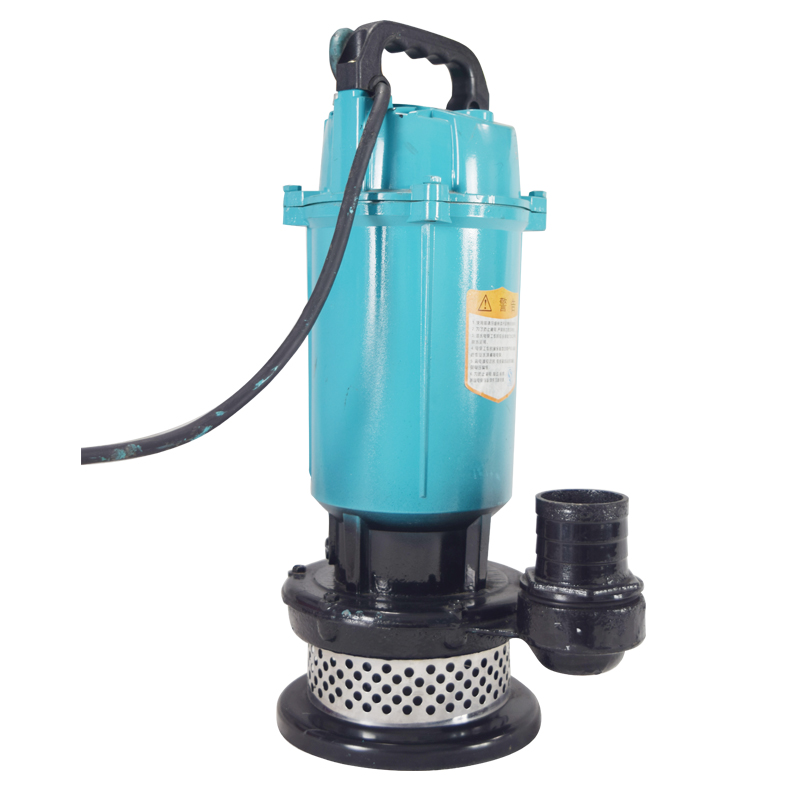
Pump Type: Understand the differences between centrifugal, submersible, and positive displacement pumps, and choose one that fits your application needs.
Efficiency Ratings: Look for pumps with high-efficiency ratings to reduce energy consumption and operational costs.
Customization Options: Some manufacturers, like Larissa Motor, can provide custom solutions tailored to specific agricultural requirements, which can significantly enhance performance.