Essential Guide to Boiler Feed Pumps for Buyers

Get a Professional Sourcing Quote

Our pump experts will review your request and reply within 12 hours.
Choose Your Needs Optional Business Type
Customization Requirements Optional
Email
Name
Company Name & Website
Message
0/1000

boiler feed pump

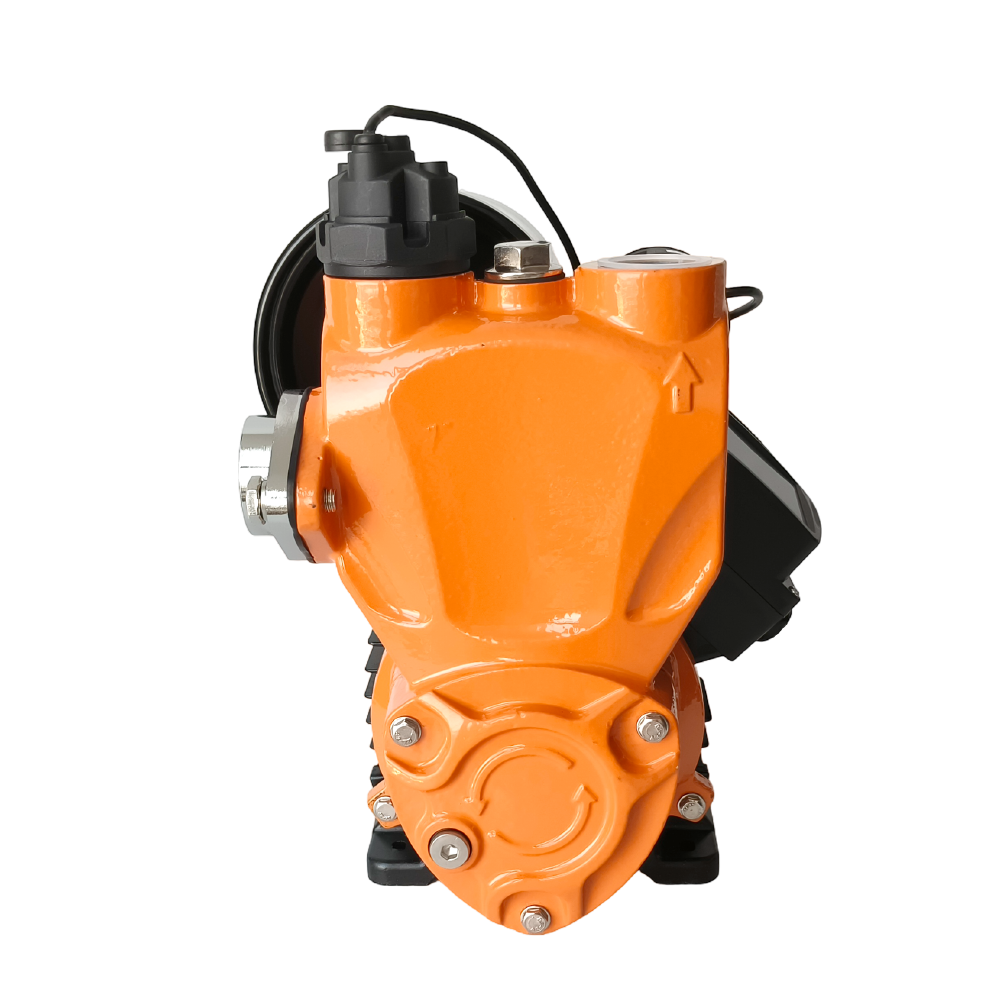
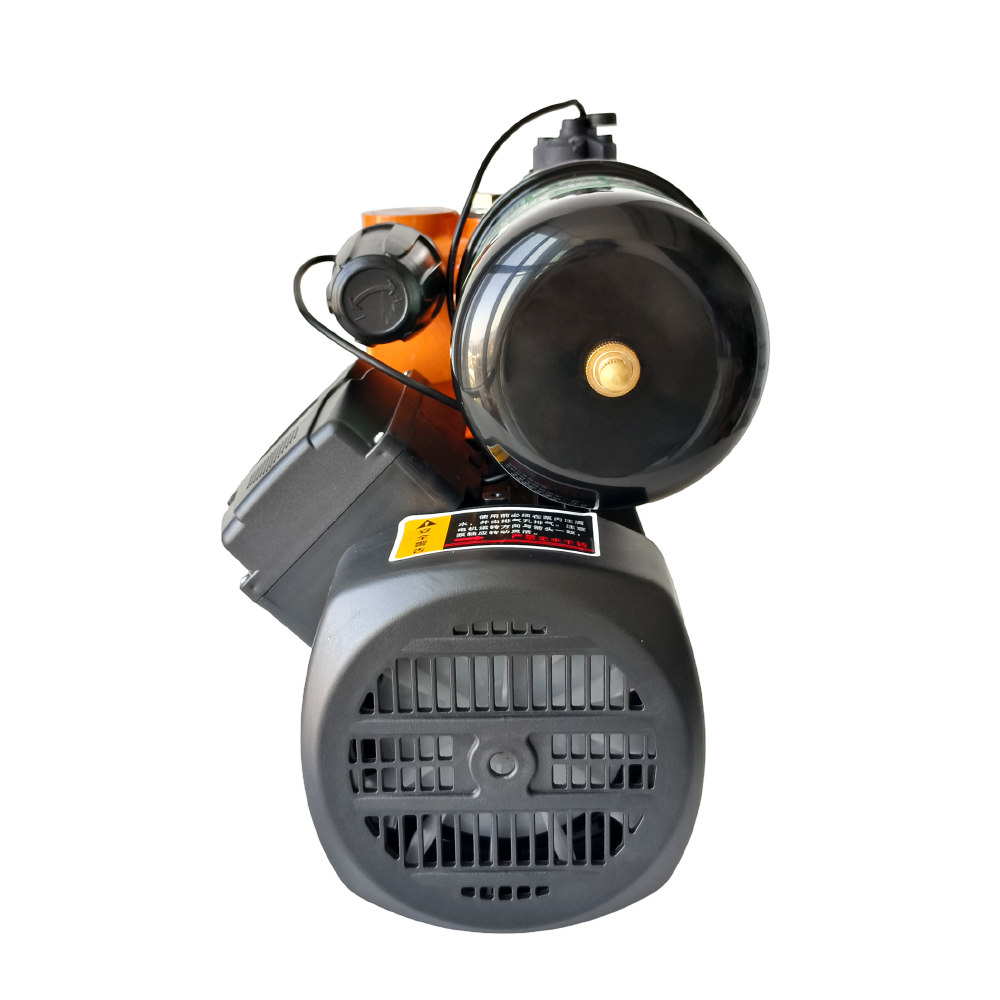
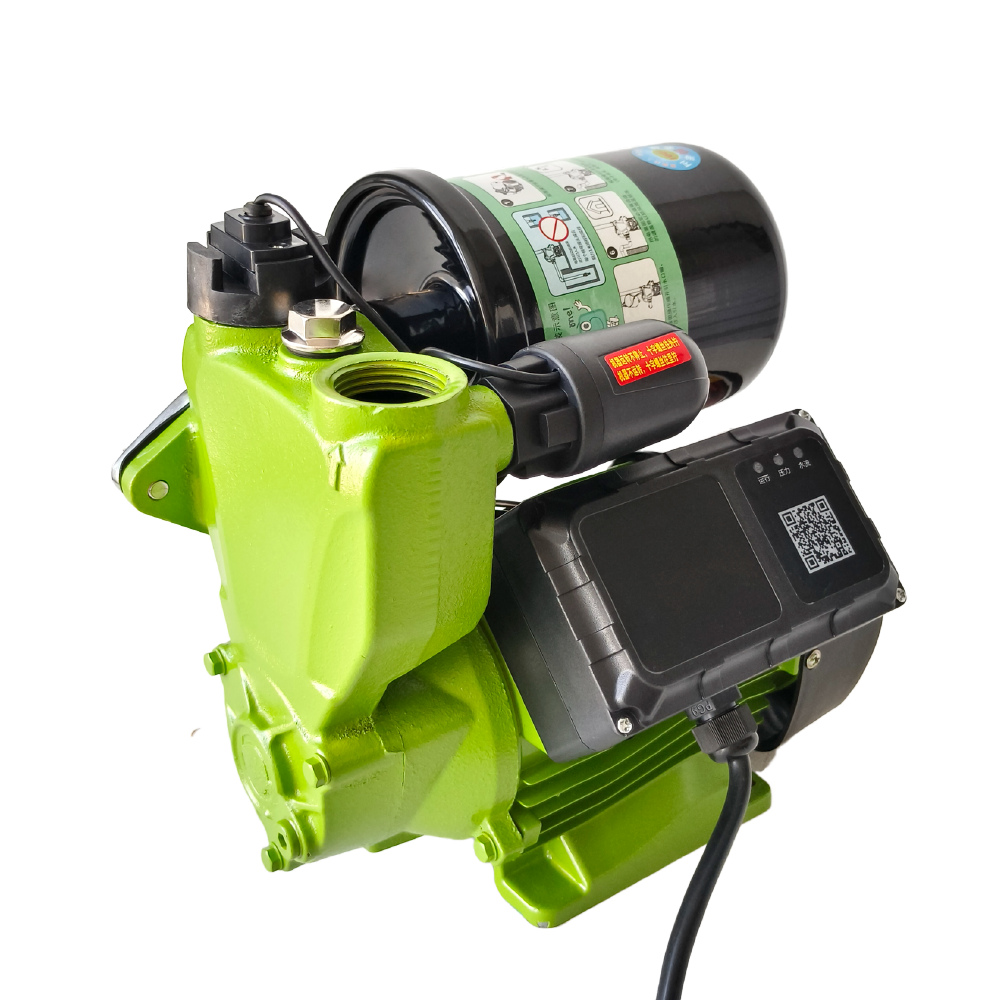
Boiler  feed pumps are  vital components in  various industrial applications, primarily used  to  supply water to boilers for steam generation.  For purchasing managers, distributors, and engineers,  understanding the specifications  and operational requirements of boiler  feed pumps is crucial for  ensuring  optimal performance and reliability.  This article aims to  guide you through  the essential  aspects  of boiler  feed  pumps, helping  you make informed decisions  when sourcing these critical pieces of equipment.
How to Choose the Right Boiler Feed Pump for Your Project Needs

How to Choose the Right Boiler Feed Pump for Your Project Needs

Selecting the right boiler  feed pump involves several considerations:

Application Requirements: Identify the specific application and operational conditions  of your boiler  system. Factors such as temperature, pressure, and water quality can significantly  influence pump  performance.

Customization Options: Look for manufacturers like  Larissa Motor that offer customization capabilities. Customizing  the pump  to fit your unique  application can enhance efficiency and performance.

Energy Efficiency: Evaluate the pump’s energy consumption. Energy-efficient pumps may have  a higher upfront cost but  can  lead to substantial savings in operational expenses  over time.

Maintenance Needs: Consider  the  maintenance requirements of the pump. Pumps that are easier to  service can reduce downtime and maintenance costs. Review the manufacturer’s recommendations for routine checks and necessary parts.

Lead Time and Availability: Assess the supplier's ability to  meet your delivery schedule. Reliable suppliers can provide essential  information about lead times and stock availability, which is crucial for project  planning.

By carefully considering these factors, buyers can select a boiler feed pump that  meets their operational needs while ensuring long-term reliability and efficiency.
What Buyers Should Know

What Buyers Should Know

Beyond the technical specifications, buyers should be  aware of  several additional  factors:

Minimum Order Quantity (MOQ): Different suppliers have varying MOQs, which can influence purchasing decisions, especially for smaller projects. Understanding the MOQ can help in negotiating better  terms.

Quality  Control: Ensure the supplier has stringent quality control processes. This  includes  testing pumps for performance and durability before shipment, which is critical for  maintaining  operational efficiency.

Certifications and Standards:  Verify that the pump complies with relevant industry standards and certifications. This ensures that the product meets safety and performance requirements.

Warranty and Support: Review the warranty  terms and  the level of customer support provided by  the manufacturer. A solid  warranty can protect your investment, while responsive support can assist with  troubleshooting and maintenance.

Packaging and Shipping:  Understand how the pumps will be packaged and shipped. Proper packaging is essential  to prevent damage during transit, and  knowing shipping methods will help  in planning delivery timelines.

Awareness of these factors will help buyers make  informed decisions and mitigate potential risks associated with purchasing boiler feed pumps.

Cost and Quality

Cost and Quality

The relationship between cost and quality is paramount  when sourcing boiler feed  pumps. Here are some considerations:

Initial Cost vs. Lifetime  Value: While lower-priced pumps may seem attractive, consider the total cost of ownership, including maintenance, energy consumption, and potential downtime.  Investing in higher-quality pumps can lead to lower long-term costs.

Performance Guarantees: Quality manufacturers  often provide performance guarantees, which can offer buyers  peace of mind. Always  inquire about these guarantees and what they cover.

Comparative Analysis: When  evaluating  different  suppliers, conduct a  comparative analysis of their products. Look beyond the price tag  to assess performance  ratings,  materials used, and customer reviews.

Supplier Reputation: Research the reputation  of potential suppliers. Established manufacturers with  a track record of reliability  and customer satisfaction can be a  safer choice, particularly for critical applications.

Investing time in understanding the cost-quality relationship can  lead  to better purchasing decisions and ultimately enhance operational efficiency.

Best Practices Explained

To ensure optimal performance and longevity of boiler feed pumps, consider these best practices:

Regular Maintenance: Establish a routine maintenance schedule, including checks on seals, bearings, and  overall pump condition. Regular maintenance can prevent unexpected failures and extend the life of the pump.

Proper Installation:  Ensure that the pump is installed according  to the manufacturer’s specifications. Incorrect  installation can lead to performance issues and may void warranties.

Monitor Performance: Keep  track of  the pump’s  performance metrics, such as flow rate and pressure. Any significant deviations  can indicate  potential  problems that need to be addressed promptly.

Training for Operators: Provide training for staff on  the proper operation and  maintenance of the pump. Knowledgeable operators can help identify issues early and ensure efficient operation.

Documentation: Maintain detailed records of  maintenance activities, performance metrics, and any issues encountered. This documentation can be invaluable for troubleshooting and future purchasing decisions.

By adhering to these best practices, buyers  can maximize the efficiency and reliability of  their boiler feed pumps, ensuring they meet the  demands  of their applications effectively. For those interested in energy-efficient solutions, consider the DC CPM Centrifugal Water Pump for Solar Irrigation & Agricultural Water Transfer as a viable option.

Understanding Boiler Feed Pump Specifications for Wholesale Buyers

When evaluating boiler feed pumps, several key specifications should be considered:

Flow Rate: The flow rate, usually measured in  gallons per minute (GPM) or cubic meters per hour (m³/h), determines how much water the pump  can deliver.  This is essential for matching the pump's capacity to the boiler’s operational requirements.

Pressure Rating:  The  pressure rating is  critical, as it indicates  the  maximum pressure the pump can handle. A pump with a  higher pressure rating is necessary for high-pressure boiler  systems to ensure efficient water delivery without risk of failure.

Material  Construction: Common materials for boiler  feed pumps include cast iron, stainless steel, and bronze. The choice of material affects corrosion resistance and longevity, especially in environments  with high temperatures and pressures.

Motor Type: The motor type, whether  electric, hydraulic, or steam-driven, impacts  the pump’s efficiency and operational costs. Electric motors are typically preferred for  their reliability  and  lower operating costs. Additionally, for those looking for high-efficiency options, the ZW Self-priming Centrifugal Sewage Pump High-Efficiency Non-Clogging Sewage Water Pump for Municipal & Industrial Wastewater is a great choice.

Understanding  these specifications helps buyers assess different models and select the most suitable boiler feed pump for their specific applications.

Get a Professional Sourcing Quote

Our pump experts will review your request and reply within 12 hours.
Choose Your Needs Optional Business Type
Customization Requirements Optional
Email
Name
Company Name & Website
Message
0/1000

Related product categories