 EN
EN
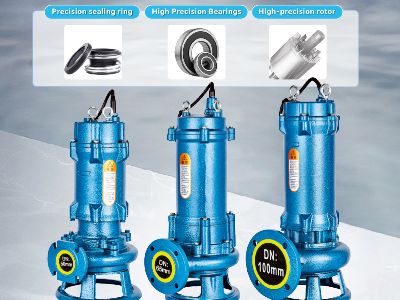
Industrial sewage pumps are critical components used in wastewater treatment systems, designed to transport sewage and wastewater efficiently. As a professional B2B buyer, your primary concerns revolve around reliability, performance specifications, and cost-effectiveness. This article will guide you through evaluating quality, selecting the right specifications, understanding cost factors, troubleshooting common issues, and exploring bulk order opportunities with an industrial sewage pump manufacturer for wastewater treatment.
How to Evaluate Quality in Industrial Sewage Pumps?
When assessing the quality of industrial sewage pumps, several key factors come into play. Firstly, consider the materials used in construction. High-quality sewage pumps are often made from corrosion-resistant materials, such as stainless steel or specialized polymers, which enhance durability and longevity in harsh environments.
Another crucial aspect to evaluate is the pump's design. Advanced design features, such as self-priming capabilities and efficient impeller configurations, significantly influence performance and energy consumption. It's also essential to review the manufacturer's quality control processes. A reputable manufacturer should provide detailed documentation on testing methods, compliance with international standards, and certifications that affirm product quality.
Lastly, don’t overlook the importance of customer feedback and industry reputation. Engaging with existing customers or reviewing case studies can provide insights into long-term performance and reliability in real-world applications.
Key Specifications to Consider for Sewage Pump Selection
Selecting the right sewage pump involves considering several technical specifications that directly impact performance and suitability for your application. Key specifications include:
Flow Rate: Defined in gallons per minute (GPM), the flow rate indicates how much sewage the pump can handle. Ensure the pump can meet your system's demands without frequent cycling.
Head Pressure: This refers to the vertical distance the pump can lift the sewage. It’s crucial to match the pump's head capacity with the requirements of your specific installation to avoid operational inefficiencies.
Power Requirements: Evaluate the motor's horsepower and energy consumption. A submersible sewage pump with an energy-efficient motor can lead to significant cost savings in the long run.
Impeller Design: The type of impeller affects the pump's ability to handle solids and debris. A vortex impeller, for example, can efficiently manage larger solids, making it suitable for wastewater applications.
Seal Types: Mechanical seals are vital for preventing leaks. Assess the seal material and design to ensure it can withstand the chemicals and conditions present in your wastewater.
Confirming these specifications with your manufacturer helps ensure that the pump you select will perform effectively within your system's unique parameters.
Cost Factors to Consider When Purchasing Sewage Pumps
Several factors influence the cost of industrial sewage pumps, impacting both initial investment and long-term operational expenses.
Material Costs: The choice of materials directly affects pricing. Pumps made from high-grade materials such as stainless steel typically have a higher upfront cost but offer better durability and lower maintenance expenses over time.
Customization Needs: Custom-designed pumps tailored to specific applications may incur additional costs. However, investing in a pump that meets your precise requirements can lead to enhanced performance and efficiency.
Volume Discounts: If you’re considering bulk purchases, inquire about bulk order discounts. Many manufacturers, including Larissa Motor, provide reduced pricing for larger orders, which can significantly lower your overall procurement costs.
Operational Efficiency: Consider the total cost of ownership, which includes energy consumption and maintenance costs. A more efficient pump might have a higher initial cost but result in lower operational expenses.
Understanding these factors allows you to make informed decisions that balance upfront costs with long-term value.
Common Problems with Sewage Pumps and Their Solutions
Sewage pumps can encounter several operational issues that may hinder performance. Being aware of these problems and their solutions can save time and costs.
Clogging: One of the most common issues is clogging due to debris or solids. Regular maintenance and inspections can help identify potential clogs. Using pumps with larger impeller diameters or vortex designs can reduce clogging incidents.
Overheating: Pumps can overheat if they run dry or face excessive back pressure. Implementing a reliable level control system to maintain adequate fluid levels can prevent this issue. Additionally, ensure that the motor is sized appropriately for the pump's application.
Seal Failures: Mechanical seal failures can lead to leaks and pump inefficiencies. Regular maintenance checks and replacing seals as recommended by the manufacturer can mitigate this risk.
Vibration and Noise: Excessive vibration can indicate misalignment or imbalance. Regularly checking the pump’s mounting and ensuring proper installation can help minimize these issues.
By proactively addressing these common problems, you can enhance the reliability and lifespan of your sewage pumps.
Bulk Order Opportunities for Industrial Sewage Pumps
For businesses looking to scale operations, bulk orders of industrial sewage pumps can be a strategic choice. Larissa Motor offers customizable options tailored to large-scale projects, providing both cost savings and efficiency gains.
When considering bulk purchases, it’s vital to communicate your specific needs clearly. Factors to discuss include:
Specifications: Ensure that all pumps meet the required specifications for your wastewater treatment system.
Lead Times: Confirm production lead times to align with your project schedules.
Quality Assurance: Discuss quality control measures and post-sales support provided by the manufacturer.
Packaging and Shipping: Clarify packaging methods that protect pumps during transport and minimize damage.
By leveraging bulk ordering, companies can not only reduce costs but also ensure consistency and quality across their wastewater treatment processes.