EN
EN
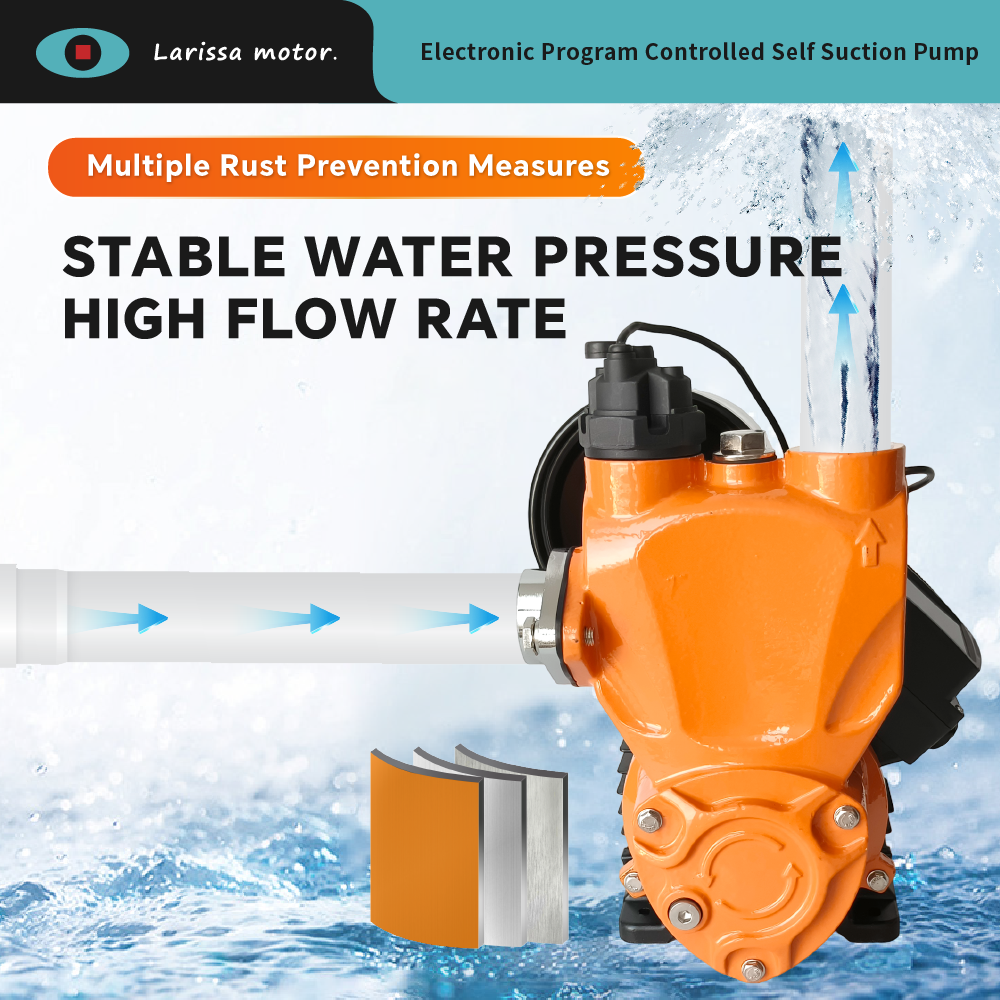
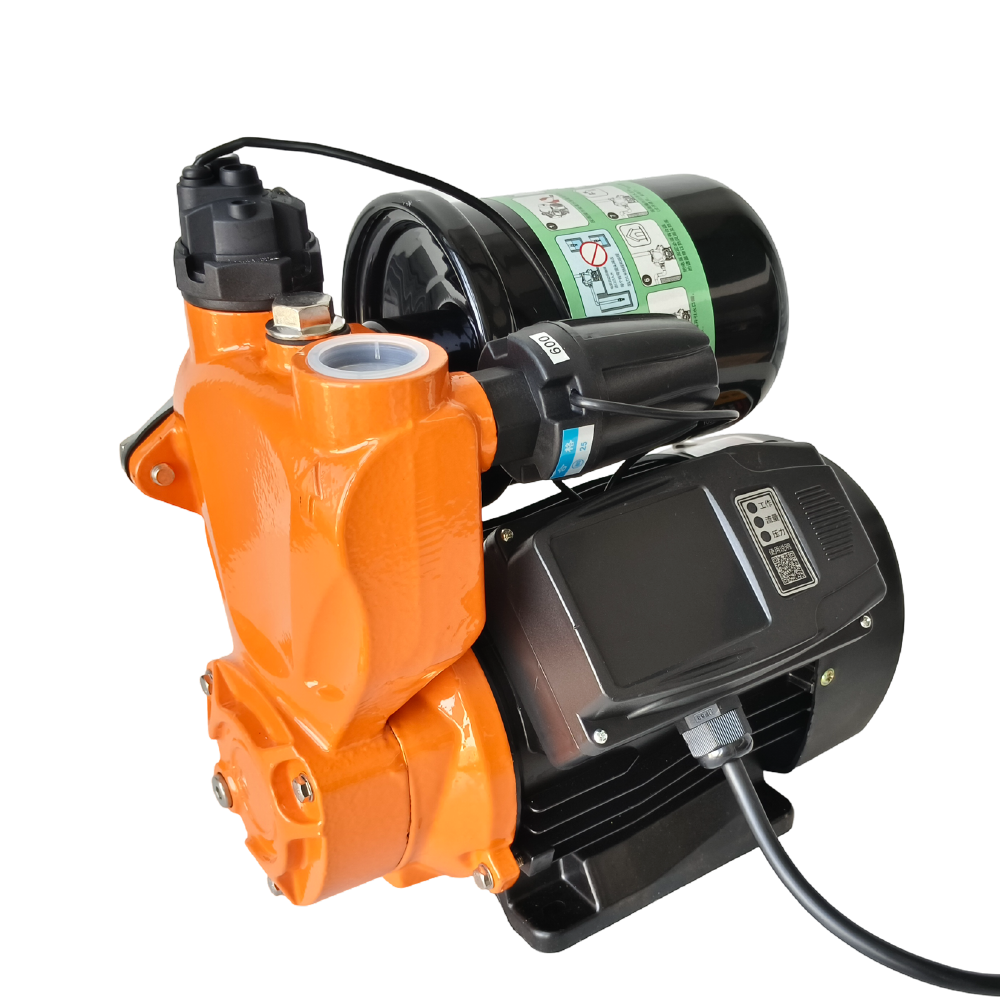
Automatic watering pumps are essential devices designed to efficiently manage the irrigation of plants and landscapes by automating water delivery. For B2B buyers, understanding the nuances of automatic watering pumps is crucial, as choosing the right model can directly impact operational efficiency and cost-effectiveness. This article will address key specifications, cost factors, installation guidance, common problems, and quality control measures necessary for making informed purchasing decisions.
Understanding the Cost Factors of Automatic Watering Pumps
The cost of automatic watering pumps can vary significantly based on several factors. Understanding these can help buyers make informed purchasing decisions.
Type of Pump: Different types of pumps, such as submersible, centrifugal, or diaphragm pumps, come with varying price points based on their design and functionality.
Specifications: Higher specifications, like increased flow rates and pressure ratings, often lead to higher costs. Buyers should weigh the benefits of these features against their specific requirements.
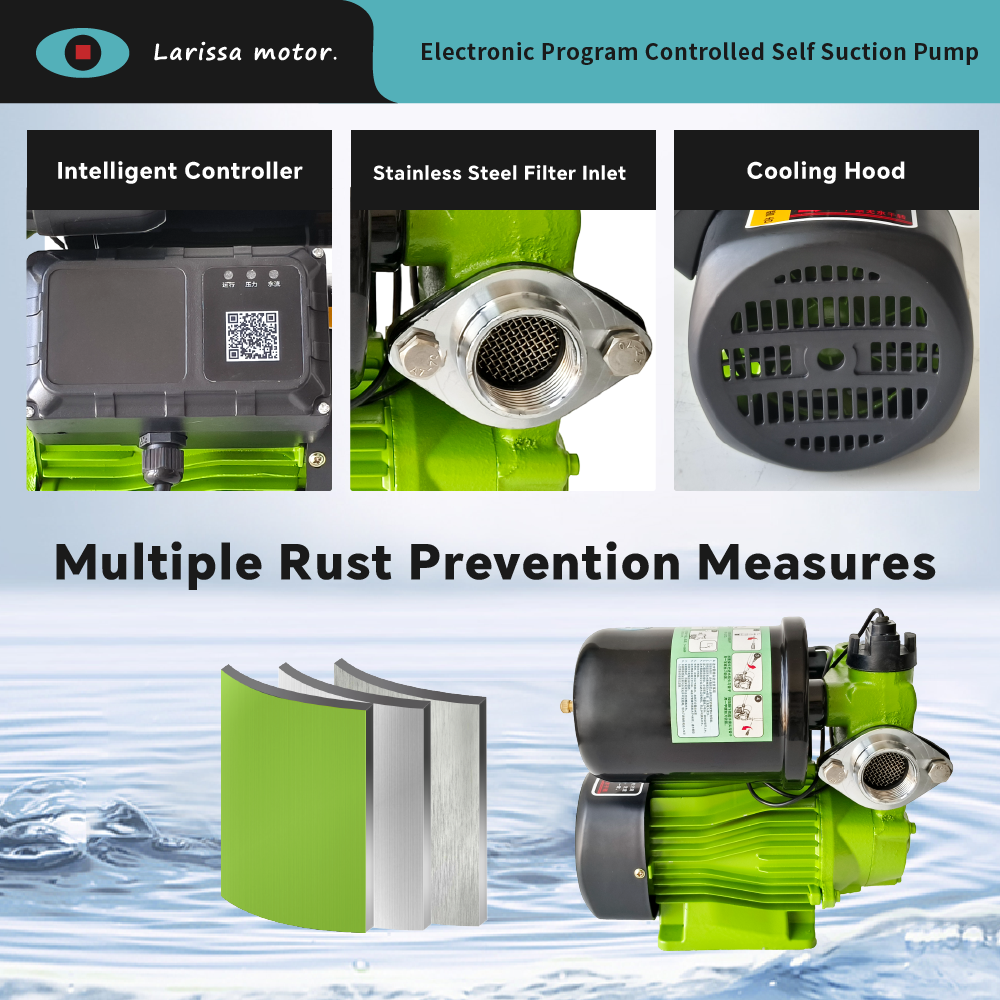
Customization: Many manufacturers, like Larissa Motor, offer customization options to tailor the pump to specific applications. While this can increase the initial cost, it may lead to better performance and efficiency in the long run.
Brand and Quality: Established manufacturers with a reputation for reliability and performance may charge more for their products. However, investing in a reputable brand can result in lower maintenance costs and longer product life.
Installation and Maintenance: Costs associated with installation and ongoing maintenance should also be factored into the total cost of ownership. Proper installation is crucial for optimal performance, and regular maintenance can prevent costly repairs. For instance, the Heavy-Duty Industrial Boiler Feed Water Pump for Hot Water Circulation & Heating Systems requires careful installation to function effectively.
By carefully considering these cost factors, buyers can budget effectively and choose a pump that provides value over its operational lifetime.