Key Specifications for Pump Sewage Tanks

Get a Professional Sourcing Quote

Our pump experts will review your request and reply within 12 hours.
Choose Your Needs Optional Business Type
Customization Requirements Optional
Email
Name
Company Name & Website
Message
0/1000

pump sewage tank

Pump sewage tanks are  critical components in  managing  wastewater  in  various industrial  and  commercial settings.  As  a B2B  buyer, you may have concerns about  the specifications,  installation challenges, and  cost implications associated with these systems. This article will  provide essential  insights into evaluating pump sewage  tanks, addressing  common installation challenges,  and considering  factors  crucial for contractors and purchasing decisions.
Common Installation Challenges with Pump Sewage Tanks and Solutions

Common Installation Challenges with Pump Sewage Tanks and Solutions

Installing pump sewage tanks can  present various challenges that buyers  and contractors should be prepared for:

Site Conditions: Uneven or unstable ground can complicate tank installation. Ensuring proper site  preparation, including grading and  compaction, is essential  for stability. If the  site  presents unique challenges, consider consulting  with an engineering professional.

Access for Equipment: Heavy machinery may be required for installation. Ensure  that access points are clear and suitable for transporting the tanks  to the installation site. In some cases, pre-installation planning may involve temporary access roads or  the  use of cranes.

Connection to Existing Systems: Integrating the  pump sewage tank with existing plumbing or  wastewater systems can be complex. Collaborate with plumbing specialists to ensure proper connections  and prevent backflow or leakage  issues.

Permits  and Regulations: Many regions require permits for sewage tank installations. Research local regulations early in the planning process  to  avoid delays and ensure compliance.

By addressing these common challenges with proactive solutions, you can facilitate a smoother installation process.
Factors for Contractors to Review

Factors for Contractors to Review

Contractors should carefully consider the following factors when working with pump sewage tanks:

Technical Specifications: Ensure all technical specifications  align with  project requirements. This  includes verifying the  pump's capabilities and ensuring the tank's material and capacity  meet operational demands.

Installation  Guidelines: Review the manufacturer's installation guidelines thoroughly. Proper installation is crucial for the performance and lifetime of the  system.

Maintenance Requirements: Discuss maintenance protocols with  the manufacturer. Understanding routine maintenance needs can  help in planning operational budgets and schedules.

Warranty  and Support: Evaluate the warranty terms and post-installation  support offered by the manufacturer. Reliable support can be invaluable  in addressing any issues that arise after installation.

Cost Implications: Analyze the total cost of ownership,  including installation, maintenance, and potential downtime. This comprehensive view will aid in making  informed  decisions.

By considering these factors, contractors can  better manage project expectations and ensure successful  installation and operation of pump sewage  tanks.

Cost Factors to Consider When Purchasing Pump Sewage Tanks in Bulk

Cost Factors to Consider When Purchasing Pump Sewage Tanks in Bulk

When purchasing  pump sewage tanks in  bulk, various  cost factors come into play:

Unit Price vs. Total  Cost: While lower  unit prices may be appealing,  consider the total cost of ownership, which includes installation, maintenance, and potential operational costs. A cheaper option may lead to higher long-term expenses.

Customization  Costs: Custom tanks  may incur additional costs.  Discuss any specific  requirements  upfront to receive accurate pricing information.

Shipping  and Handling: Bulk orders can benefit from  negotiated shipping rates,  but consider the logistics involved  in transporting large, heavy  tanks. Shipping costs can vary significantly based on distance and shipping methods.

Volume Discounts: Many manufacturers offer discounts for bulk  purchases. Confirm  the minimum order quantities (MOQs) to take advantage of these savings.

Installation Services: Factor in the cost of professional installation services, if required. Skilled installation can prevent costly mistakes and ensure proper  operation.

By carefully evaluating these cost factors, buyers can make more informed purchasing decisions regarding pump sewage tanks.

Applications of Pump Sewage Tanks in Various Industrial Settings

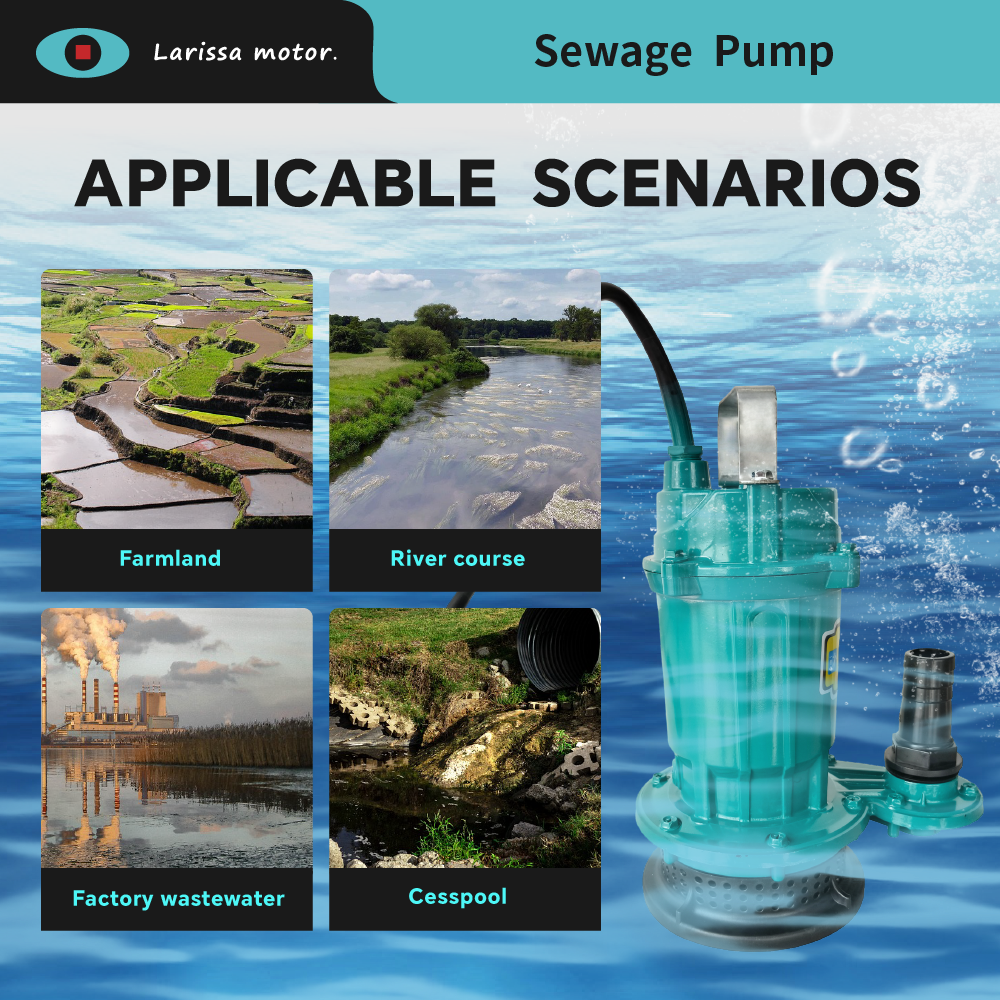
Pump sewage tanks serve a wide range of applications across various industrial  sectors:

Municipal Wastewater Treatment: They are used in municipal settings for collecting and treating sewage before  it enters larger  wastewater treatment facilities.

Commercial Buildings: In commercial establishments, pump sewage tanks manage  wastewater  from restrooms, kitchens,  and  other facilities, ensuring efficient drainage systems.

Industrial Operations: Factories and manufacturing plants often utilize pump sewage tanks to handle wastewater generated from production processes, ensuring compliance with environmental regulations.

Construction Sites: Temporary sewage tanks are commonly deployed  on  construction sites to manage  waste effectively during building projects, preventing environmental contamination.

Agricultural Applications: In agricultural setups, these tanks facilitate the management of waste  from livestock  and crop  processing, contributing to sustainable farming practices. For efficient agricultural solutions, check out our DC CPM Centrifugal Water Pump for Solar Irrigation & Agricultural Water Transfer.

Understanding the various applications can help  buyers  identify the right type of pump sewage tank suited to  their specific industry needs.

By focusing on the specifications,  installation challenges, cost factors, and applications of pump  sewage tanks, B2B buyers can  make informed decisions that lead to effective waste management solutions in their operations.

Key Specifications to Evaluate for Pump Sewage Tanks in Bulk Orders

When evaluating  pump sewage tanks for  bulk orders, several key  specifications  should be prioritized:

Material Composition: The  tanks should be constructed from durable materials such as high-density polyethylene (HDPE) or fiberglass,  which resist corrosion and impact damage. The choice of material affects longevity and maintenance needs.

Tank Capacity: Determine the  required capacity based on the anticipated volume of sewage and  wastewater. This is crucial for ensuring efficient operation without overloading the  system.

Dimensions and Configuration: The tank's dimensions  should align with installation space and operational requirements. Consideration of the tank’s footprint is vital for fitting into existing infrastructure.

Pump Specifications: Evaluate the pump's horsepower, flow rate, and total dynamic  head (TDH). These specifications are critical for ensuring  the pump can effectively handle the expected sewage load. For high-performance options, consider our Horizontal Multistage Centrifugal Pump for High Pressure Water Supply Systems.

Compliance  and Certifications: Verify that the tanks meet relevant industry  standards and certifications.  This may include compliance with local regulations and international standards,  ensuring safety and reliability.

Customization  Options: Customization may be necessary to meet specific application requirements. Discuss options for tailored fittings, sizes, and configurations with the manufacturer.

Understanding these specifications  can significantly influence the performance and reliability of pump sewage tanks in your operations.

Get a Professional Sourcing Quote

Our pump experts will review your request and reply within 12 hours.
Choose Your Needs Optional Business Type
Customization Requirements Optional
Email
Name
Company Name & Website
Message
0/1000

Related product categories