EN
EN
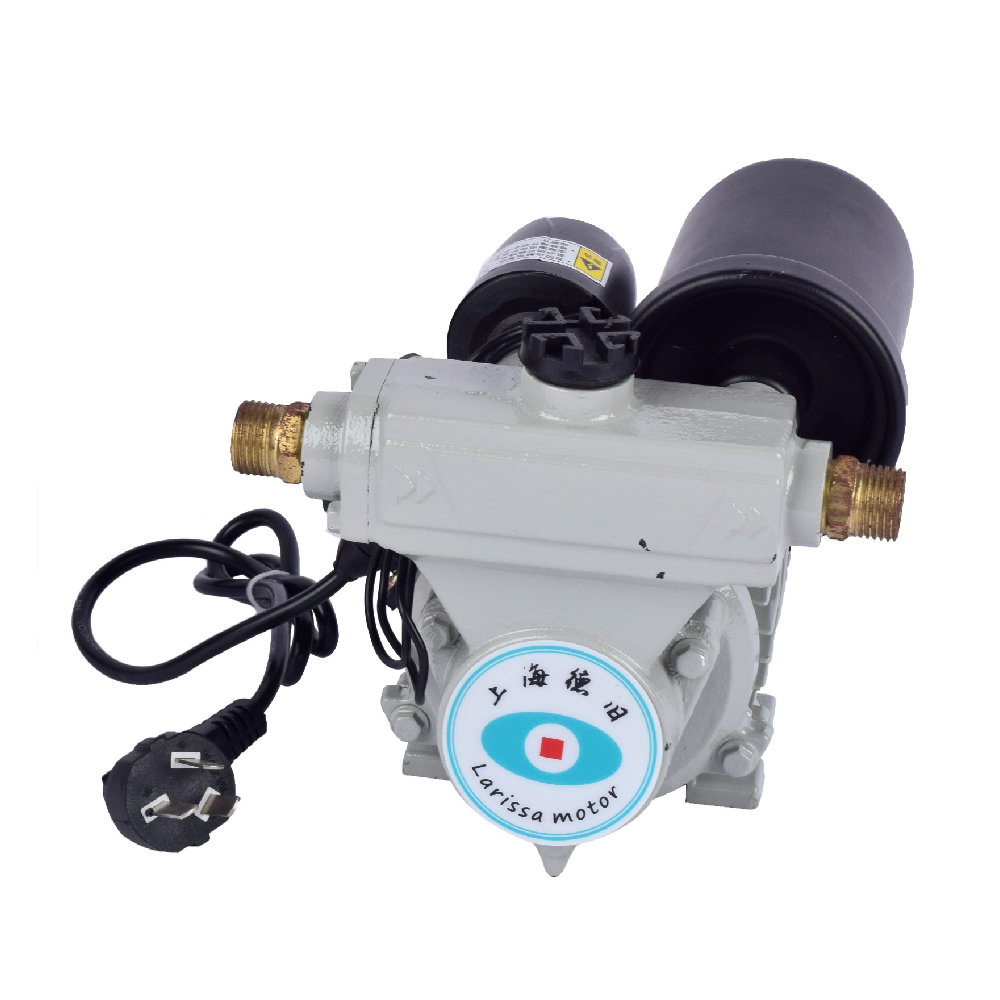
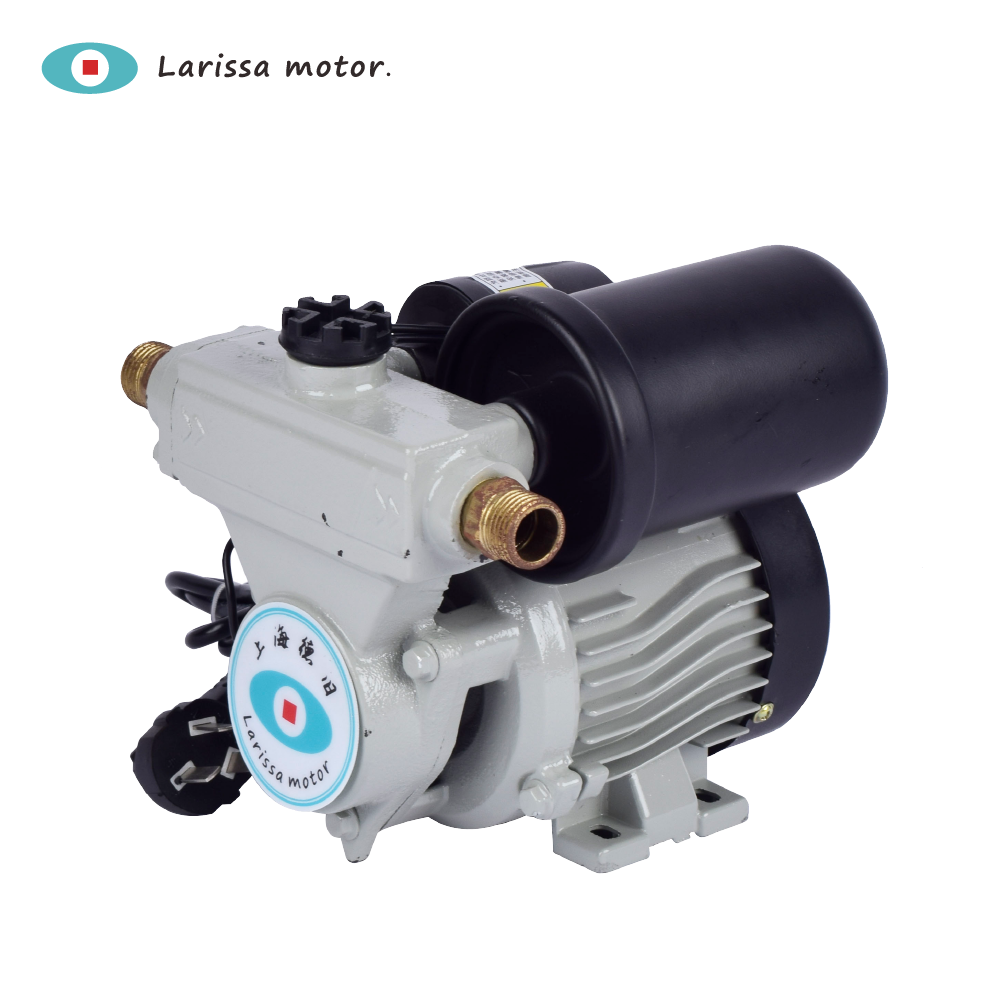
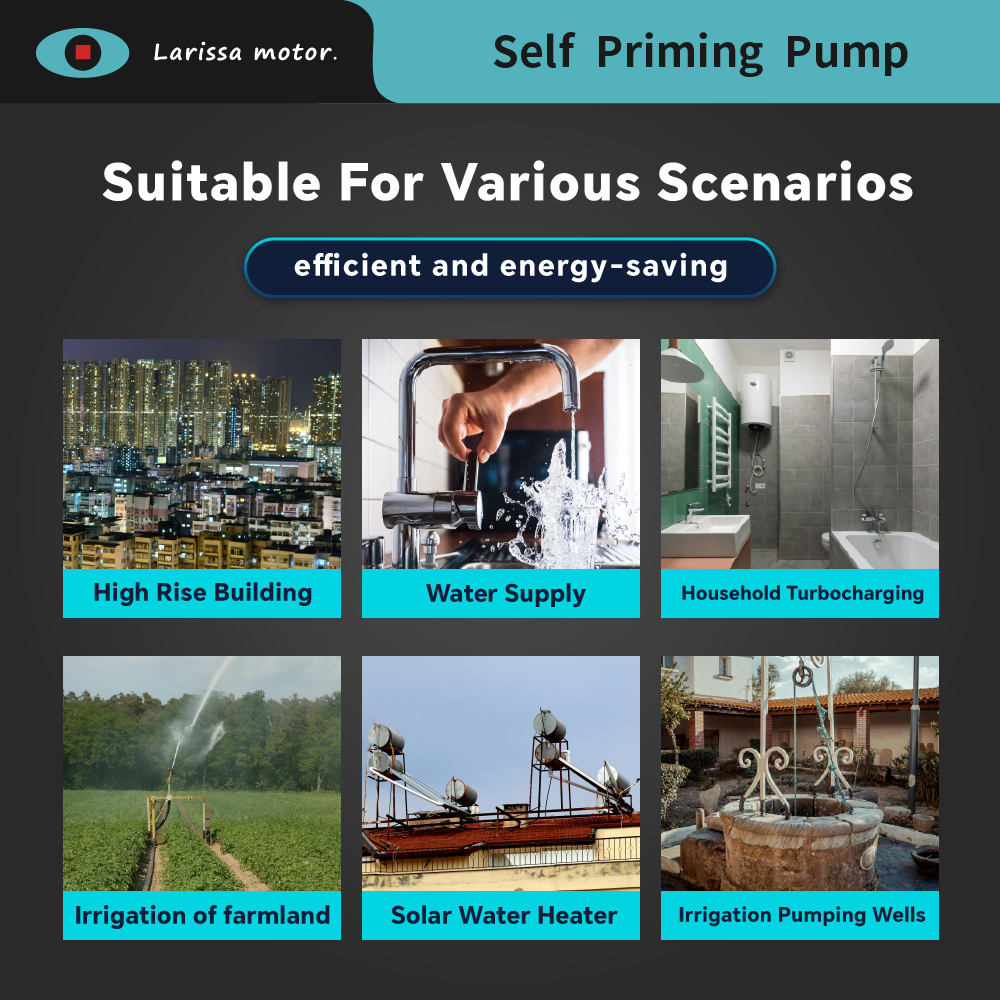
Understanding the role of a water pressure booster is essential for ensuring optimal water flow and pressure in various applications. Water pressure boosters are critical devices that enhance water pressure in systems where it is insufficient. B2B buyers, such as purchasing managers, engineers, and product managers, often face concerns regarding performance, reliability, customization options, and compliance with international standards. This article provides valuable insights into selecting the right water pressure booster, evaluating key specifications, assessing quality for bulk orders, understanding material choices, and addressing common challenges associated with these products.
Key Specifications to Consider for Water Pressure Boosters
When evaluating water pressure boosters, several key specifications are crucial:
Pressure Rating: This indicates the maximum pressure the booster can handle. Ensure it aligns with your system's requirements to avoid damage or inefficiency. Flow Rate: Measured in gallons per minute (GPM) or liters per minute (LPM), this determines how much water the booster can move. Assess your project's demands to select an appropriate flow rate. Motor Power: The motor's horsepower (HP) affects the pump's efficiency and capacity. Higher horsepower typically translates to better performance but may also lead to increased energy costs. Dimensions and Weight: These specifications impact installation and integration into existing systems. Ensure the selected booster fits within your available space without compromising performance.Understanding these specifications enables buyers to make informed decisions that optimize system performance while adhering to budget constraints.