Choosing the Right Pressure Pump for Industries

Get a Professional Sourcing Quote

Our pump experts will review your request and reply within 12 hours.
Choose Your Needs Optional Business Type
Customization Requirements Optional
Email
Name
Company Name & Website
Message
0/1000

pressure pump

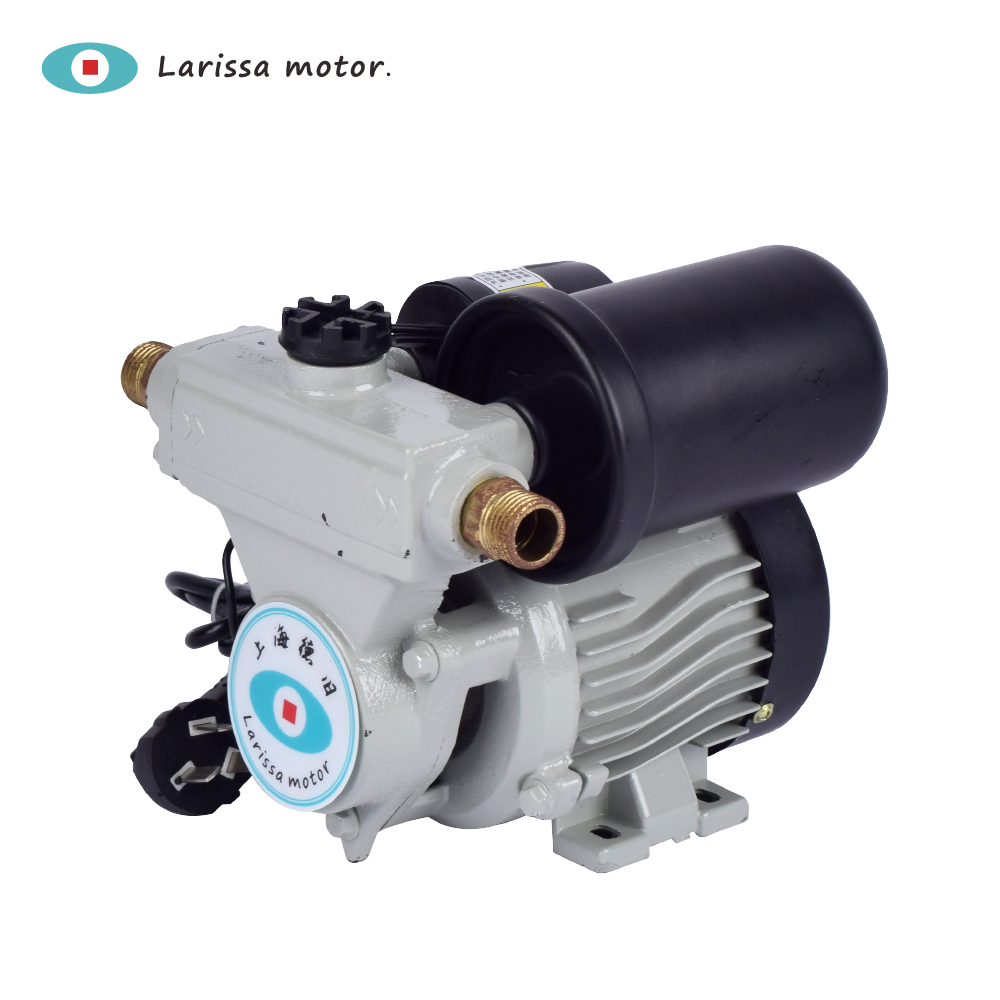
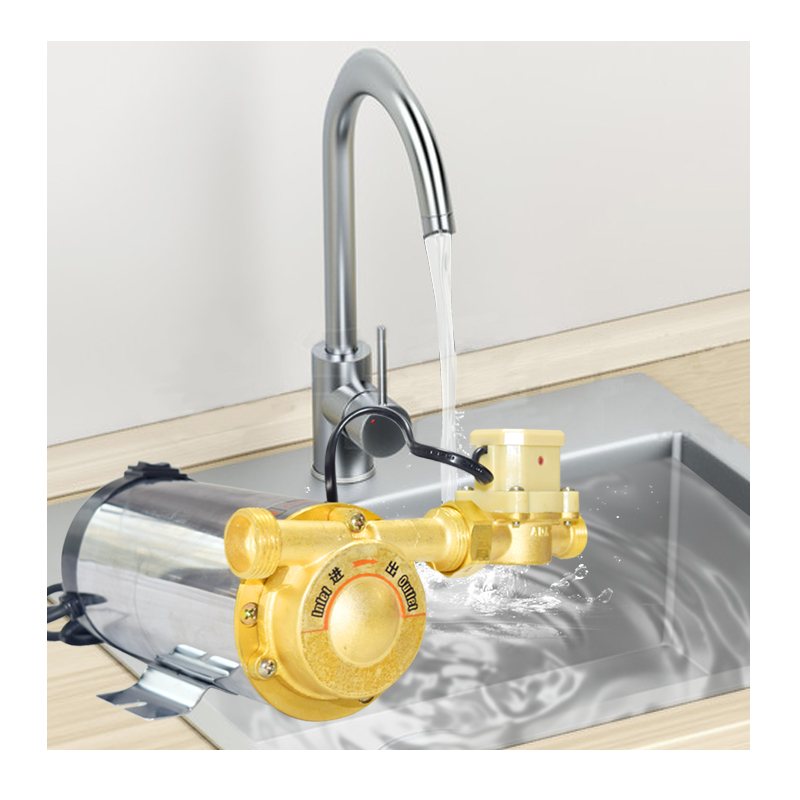
Selecting the right pressure pump  is crucial for ensuring  efficiency  and  reliability in various industrial  applications. Pressure pumps are designed to move fluids  through a system, creating pressure for  processes such as spraying,  flushing, or circulating. For B2B  buyers, understanding the  intricacies of  pressure pumps—including specifications, suitability for applications, and  installation requirements—is essential.  This article  will guide you through the  key factors  to consider when  choosing a  pressure pump, ensuring you  make informed purchasing decisions.
 
What Buyers Should Know

What Buyers Should Know

As  a buyer, understanding the specifications of pressure  pumps is vital. Key specifications include:

Power Source: Determine whether you need  an electric, diesel, or  pneumatic pump based on your  facility's capabilities and requirements. Material Construction: Common  materials include plastic, cast iron, and  stainless  steel. Each material has unique  benefits; for  example, stainless steel provides corrosion  resistance, making it suitable for  chemical applications. Pump Type: There are various types of pressure pumps,  including centrifugal, diaphragm, and gear pumps. Each  type has its advantages based on the application. For instance,  diaphragm pumps are excellent  for handling slurries and viscous fluids, while centrifugal pumps are typically  used for clear liquids.

Understanding these specifications helps  in evaluating different models and determining which best meets  your  operational needs.
Cost Factors to Consider When Purchasing Pressure Pumps in Bulk

Cost Factors to Consider When Purchasing Pressure Pumps in Bulk

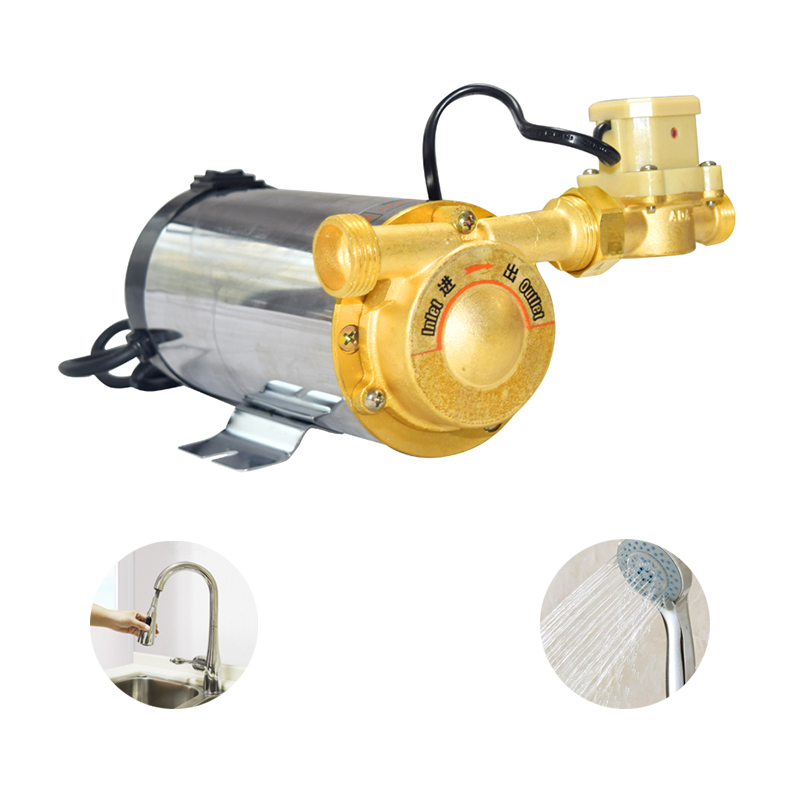
Purchasing pressure pumps in bulk can lead to significant cost savings, but several  factors influence the  overall cost. First, consider the unit price, which often decreases with larger orders. However,  be mindful  of  additional costs such as shipping,  handling, and potential tariffs when importing.

Further,  evaluate the  total cost of ownership. This includes not only the initial purchase price but also operational  costs like energy consumption and maintenance. For example, a more efficient pump may have  a higher upfront cost but save money on energy bills over  time. Models like the Solar Powered Submersible Water Pump for Garden Irrigation & Small Farm Use exemplify efficiency in energy consumption.

Lastly, assess the MOQ (Minimum  Order  Quantity) policies of manufacturers. Some suppliers may offer lower prices  for larger  quantities,  but ensure that your  operational needs  align with their requirements  to  avoid excess inventory.

Installation Guidance for Optimal Performance of Pressure Pumps

Installation Guidance for Optimal Performance of Pressure Pumps

Proper installation is critical to achieving optimal performance from your  pressure pump. Begin by thoroughly reviewing the manufacturer's installation guidelines. Key considerations include: 

  Location:  Ensure  the  pump is installed  in a clean, dry area with adequate ventilation. This helps prevent  overheating and increases the pump’s  lifespan. Mounting:  Securely mount the pump to minimize vibrations, which can lead  to premature wear and tear. Use appropriate mounting brackets  and ensure  alignment with  piping systems to prevent stress on the pump. Piping: Ensure that the piping is suitably sized for the  pump's  output. Incorrectly sized pipes  can lead to pressure drops and affect performance. Use smooth piping to  reduce friction losses, and avoid  sharp bends that could impede  flow.

Finally, perform a thorough inspection post-installation to check for leaks and proper  operation before commencing regular use.

Exploring Applications of Pressure Pumps Across Various Industries

Pressure pumps have a wide  range of applications across different industries. In  the  agricultural  sector, they are used for irrigation and chemical  spraying, ensuring crops receive  the necessary nutrients  and protection against pests. In  manufacturing, pressure pumps facilitate material  transfer and processing, contributing to  efficient production workflows.


In the  construction industry, pressure pumps are essential for concrete  pumping and water management,  helping to control site conditions  and ensure the integrity of structures. Additionally, in the food and beverage industry, pumps  are used for transferring liquids and maintaining hygiene standards, ensuring compliance with stringent regulations.

Understanding the specific applications of pressure pumps can guide buyers in selecting models that best  fit their industry needs, ensuring they meet  performance and regulatory  requirements effectively.  

By considering these factors—specifications, costs, installation, and applications—buyers can make informed decisions when  procuring pressure pumps, ultimately enhancing operational efficiency and reliability in their respective industries.

How to Choose the Right Pressure Pump for Your Industrial Needs

When  selecting a pressure  pump, several key factors should  guide your decision.  First, consider the flow rate  and pressure requirements of your specific application. Flow rate, typically measured in liters per  minute (L/min) or  gallons per minute (GPM), indicates how much fluid the pump can move, while pressure, measured in pounds per square inch  (PSI)  or bar, dictates the force with which the fluid is expelled.

Next, assess  the fluid characteristics. Is it clean water, or does it contain chemicals or particulates? For industrial applications,  pumps must be compatible with the fluid's properties—such as viscosity, temperature, and chemical composition—to prevent damage and ensure longevity. For instance,  if you're handling corrosive fluids, pumps made  from specialized  materials like stainless steel  or coated with protective finishes may be necessary. For example, the DC CPM Centrifugal Water Pump for Solar Irrigation & Agricultural Water Transfer is designed to handle various fluid characteristics effectively.

Additionally, consider the installation environment. Will the pump be installed indoors or outdoors? Is it subject to extreme temperatures or humidity? Understanding these conditions will help you select a  pump with the appropriate IP  rating (Ingress Protection)  and materials suitable for the environment.

Lastly, evaluate the maintenance requirements. Some pumps require more frequent servicing than others, which can impact overall operational  costs. Opt for models that offer  ease of maintenance without sacrificing performance.

Get a Professional Sourcing Quote

Our pump experts will review your request and reply within 12 hours.
Choose Your Needs Optional Business Type
Customization Requirements Optional
Email
Name
Company Name & Website
Message
0/1000

Related product categories