EN
EN
Submersible pumps are essential components in various industrial and commercial applications, designed to operate while submerged in liquids. As a B2B buyer, you may have concerns regarding performance, reliability, and compatibility with your specific application. This article will guide you in understanding how to choose the right submersible pump for your project needs, key specifications to consider, the benefits of bulk orders, and applications across various industries. For instance, exploring options like Solar Pumping Systems can enhance your project efficiency.
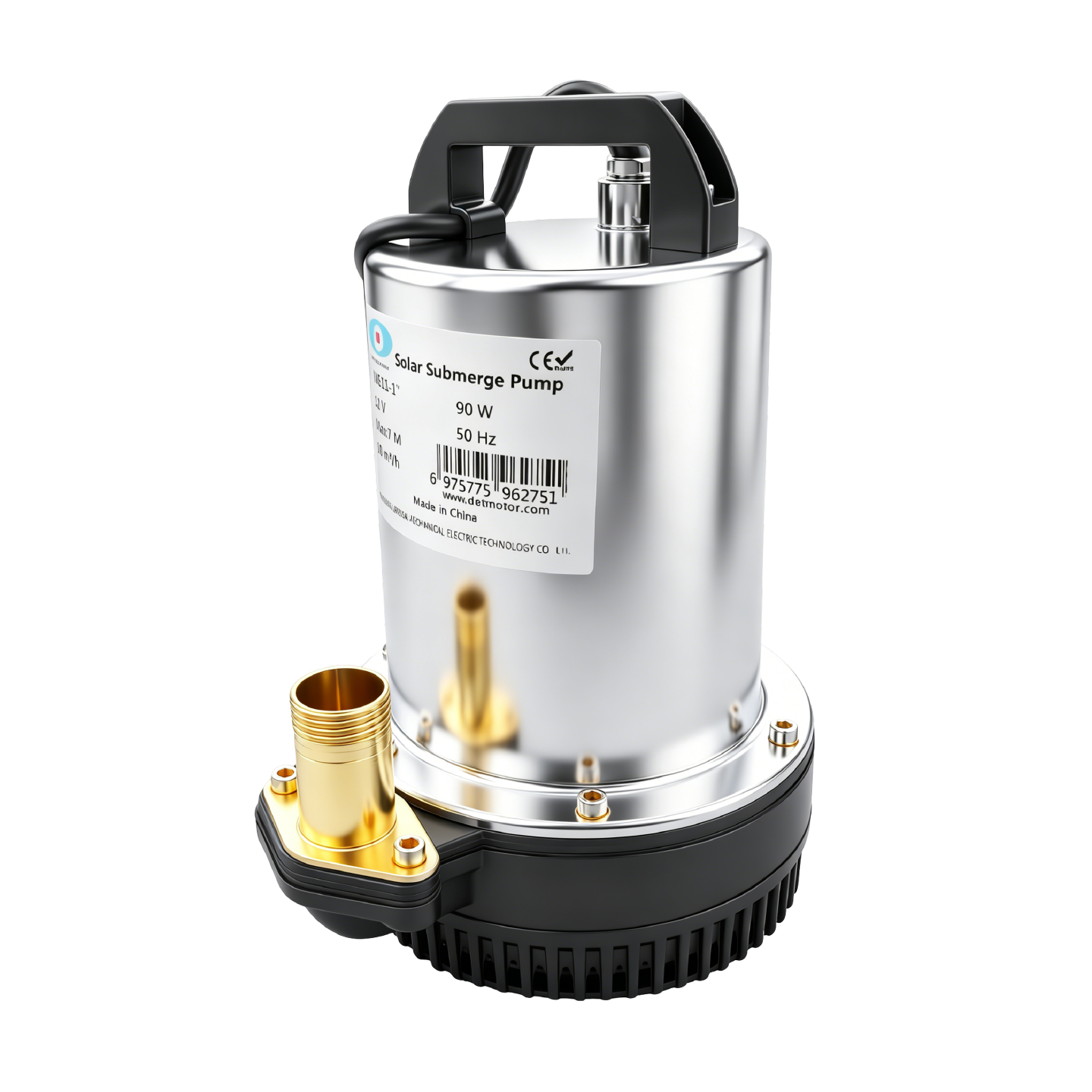
Key Specifications to Consider When Sourcing Submersible Pumps
When sourcing submersible pumps, several key specifications must be evaluated to ensure optimal performance:
Motor Power: The motor's horsepower determines the pump's efficiency and its ability to handle the required flow rate and head pressure. A higher horsepower may be necessary for applications with significant resistance.
Sealing Mechanism: The type of sealing used (e.g., mechanical seals, lip seals) is crucial for preventing leakage and protecting the motor from water damage. Proper sealing extends the pump's lifespan and performance.
Pump Size and Design: The physical dimensions of the pump should fit within the installation space. Additionally, the design should accommodate the specific fluid dynamics involved in your application.
Operating Temperature: Ensure the pump can operate effectively within the temperature range of the liquids being pumped. This is particularly important for applications involving hot or chemically aggressive fluids.
Certifications and Standards: Verify that the pump complies with relevant industry standards and certifications, such as ISO or CE, to ensure quality and reliability.