EN
EN

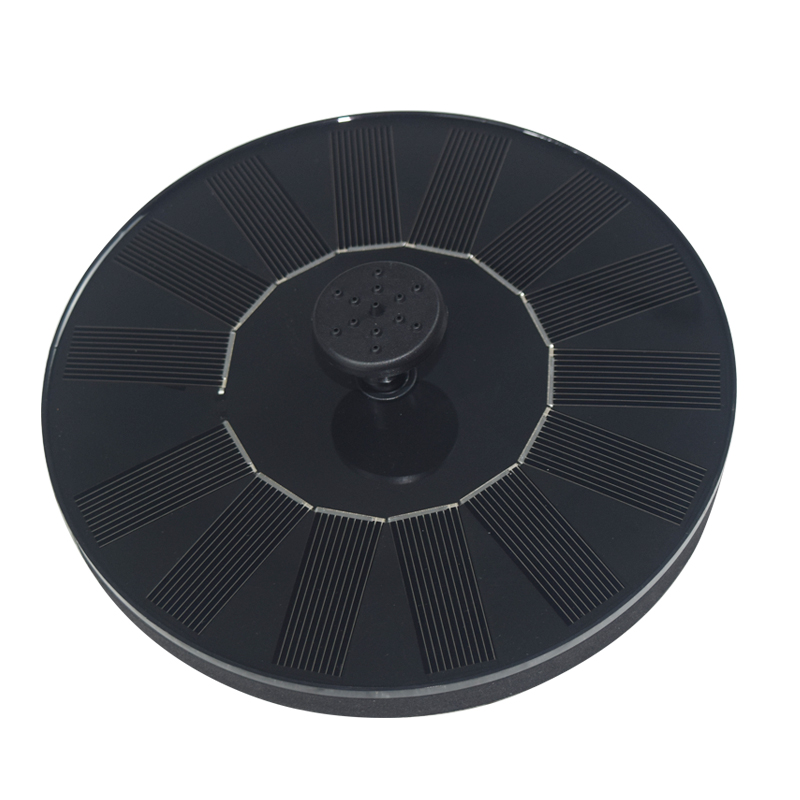
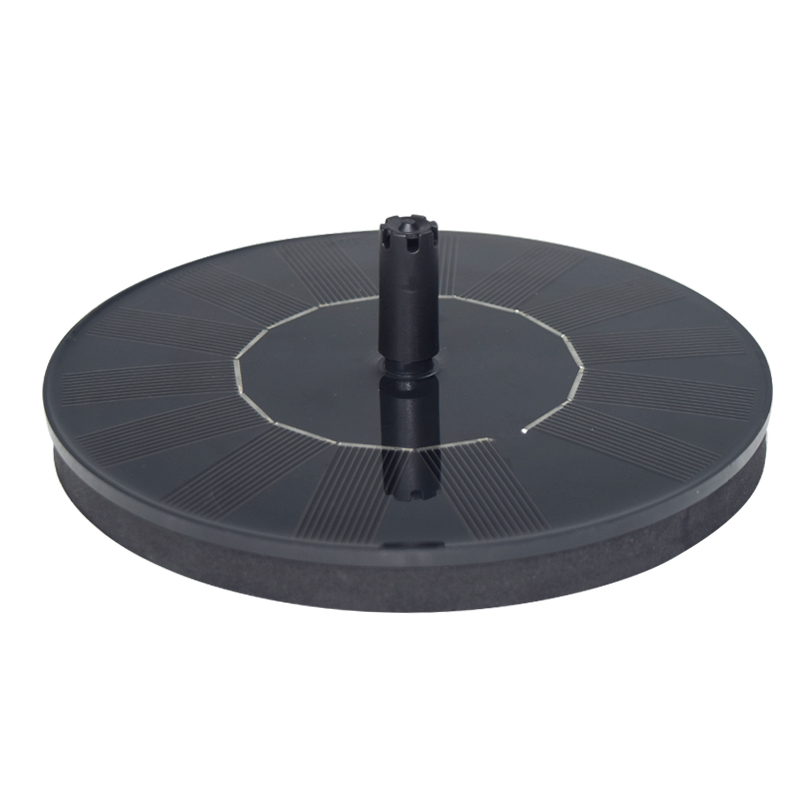
Small fountain pumps are essential components for a variety of water features, including decorative fountains, small ponds, and aquariums. They play a crucial role in maintaining water circulation and ensuring that the aesthetic appeal of these installations is preserved. B2B buyers, such as purchasing managers and product managers, often face challenges when selecting the right pump for their specific needs. This article will provide insights into choosing the ideal small fountain pump, evaluating key specifications, understanding cost factors, addressing common issues, and the advantages of high-quality materials.
Key Specifications to Evaluate When Sourcing Small Fountain Pumps
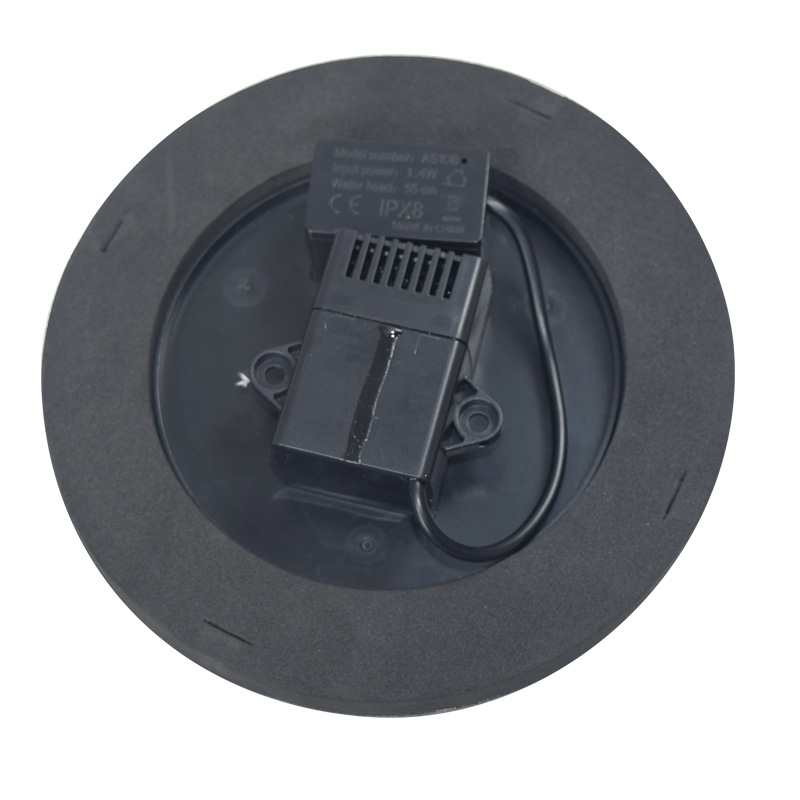
When sourcing small fountain pumps, several key specifications should be evaluated to ensure optimal performance:
Flow Rate (GPH): This indicates the volume of water the pump can circulate in an hour. Match the flow rate to the fountain size for efficient operation.
Head Height: This refers to the maximum height the pump can lift water. Ensure that the head height meets the requirements of your fountain design.
Power Consumption: Assess the energy efficiency of the pump. A lower wattage can reduce operational costs and is especially important for larger installations.
Material Quality: Pumps made from high-quality materials, such as corrosion-resistant plastics or stainless steel, will have a longer lifespan and perform better in wet conditions.
Noise Levels: The noise produced by the pump can affect the enjoyment of the fountain. Look for models designed for quiet operation.
Warranty and Support: Evaluate the manufacturer's warranty and support services. This can be crucial for troubleshooting and maintenance.
Understanding these specifications will enable buyers to make informed decisions that enhance the longevity and efficiency of their fountain installations.