EN
EN
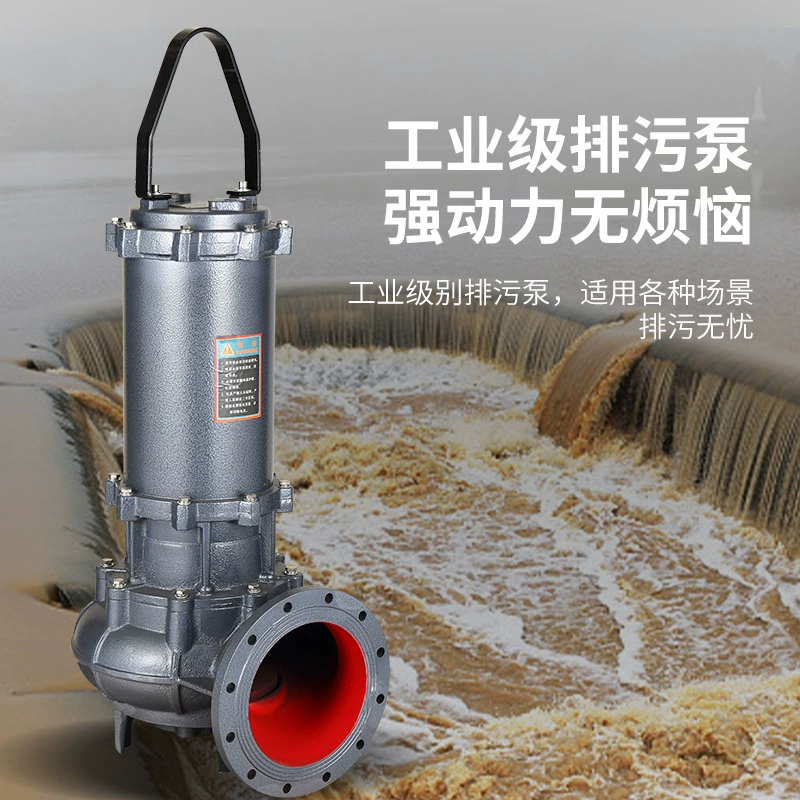
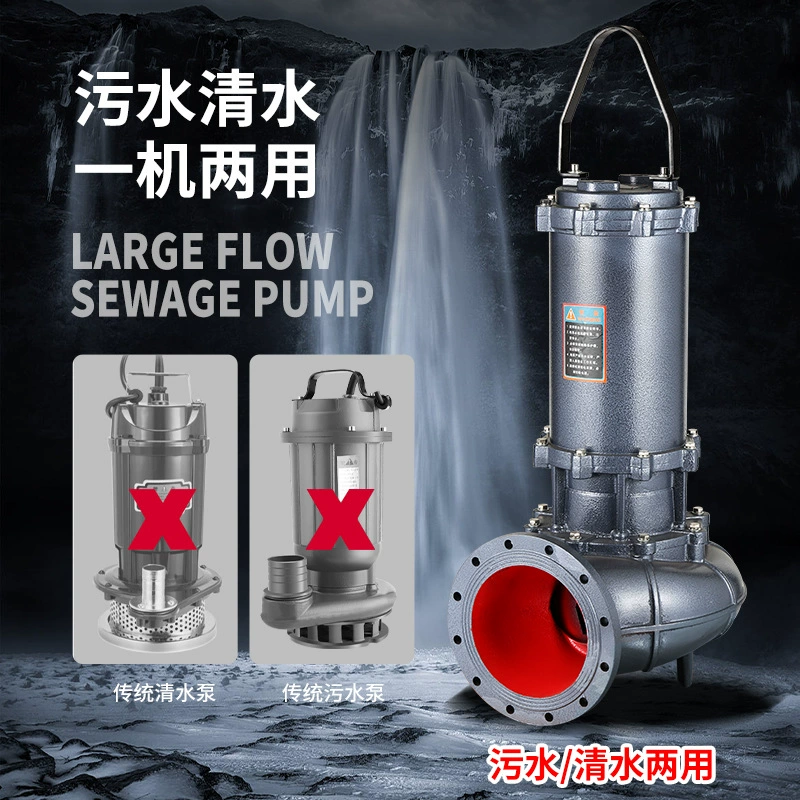
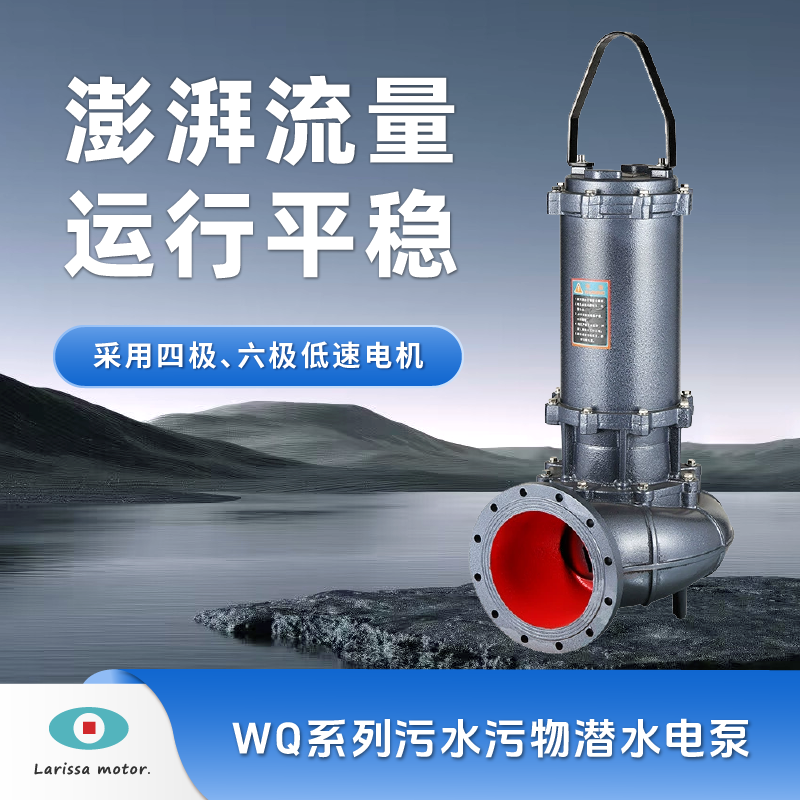
Submersible dirty water pumps are essential tools for various industrial and commercial applications, designed specifically to handle wastewater and other fluids containing solid particles. When selecting the right pump, buyers often have concerns about performance, reliability, and compatibility with their specific needs. This article aims to guide purchasing managers, engineers, and product managers through the critical aspects of choosing a submersible dirty water pump, including selection criteria, cost factors, installation guidelines, applications across industries, and material advantages in pump manufacturing. For instance, submersible pumps are widely used in sectors like Industrial & Mining to handle dirty water efficiently.
Cost Factors for Bulk Orders of Submersible Dirty Water Pumps
When purchasing submersible dirty water pumps in bulk, several cost factors come into play:
Unit Price: The base price per pump will often decrease with larger orders. Manufacturers like Larissa Motor may offer tiered pricing based on the quantity ordered.
Customization Costs: If your project requires specific modifications or enhancements, these can impact overall pricing. Custom features such as unique materials, sizes, or performance capabilities might incur additional charges.
Shipping and Handling: Consider the logistics of transporting bulk orders. Costs can vary based on the distance, weight, and packaging requirements. Ensure to factor in potential customs duties if importing.
Lead Time: Longer lead times can affect project schedules. Confirm with the manufacturer about production timelines and how they might impact costs, especially if expedited shipping is necessary.
Warranty and After-Sales Support: Evaluate the warranty offered and the availability of service or support post-purchase, as these factors can influence long-term operational costs.