Understanding Suction Pump Specifications for Buyers

Get a Professional Sourcing Quote

Our pump experts will review your request and reply within 12 hours.
Choose Your Needs Optional Business Type
Customization Requirements Optional
Email
Name
Company Name & Website
Message
0/1000

suction pump

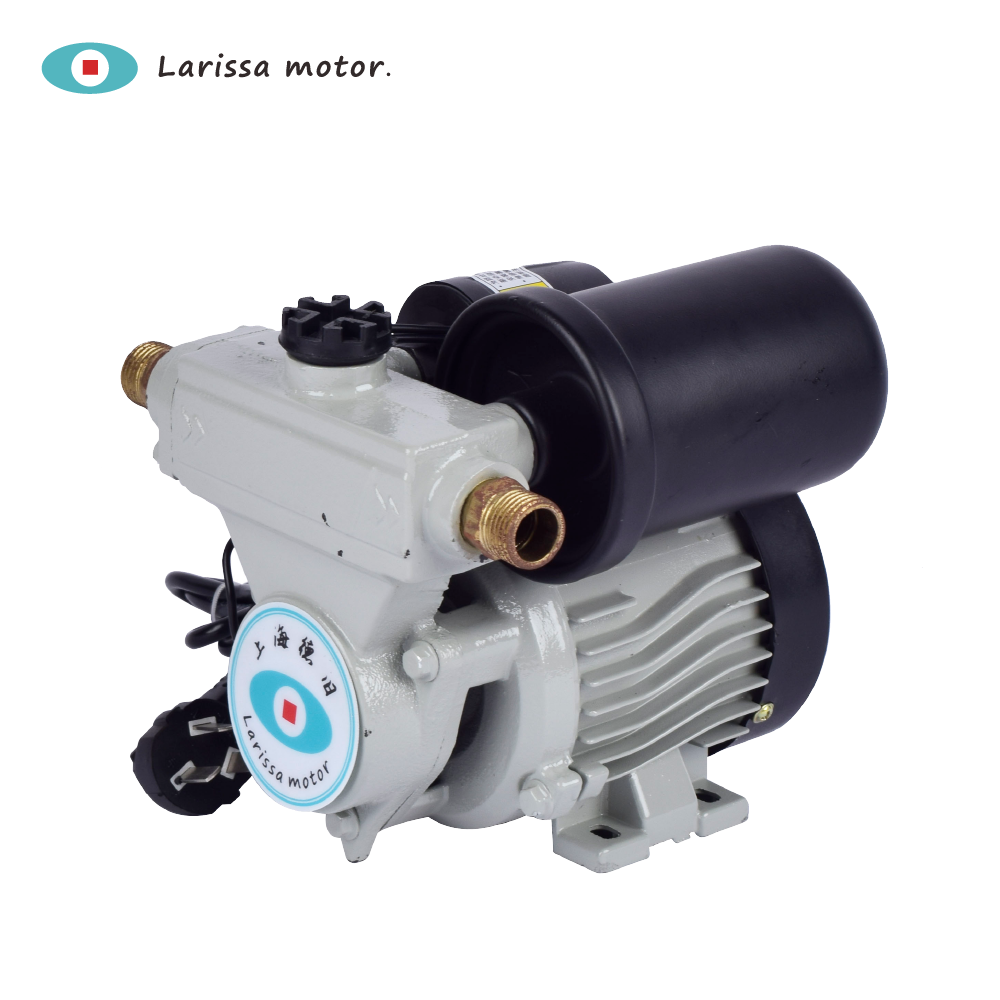
Suction pumps  are  essential devices used in various industrial  applications to create a vacuum  or  move liquids and gases. For B2B buyers, understanding the specifications, quality standards, and  installation requirements  of suction  pumps is crucial  to ensure  they  meet operational needs. This article  will guide purchasing managers and engineers  through  key considerations in selecting the right  suction  pump, addressing  common challenges, and providing installation tips to  optimize  performance  and reliability.
How to Choose the Right Suction Pump for Your Projects

How to Choose the Right Suction Pump for Your Projects

Selecting the  appropriate suction pump involves  several  critical steps:

Define the Application: Determine the specific requirements of your  project. Are you transferring liquids, gases, or both? What are the viscosity and chemical properties of the material? Each application may necessitate different pump designs.

Evaluate Performance Needs: Calculate the required flow rate and suction lift for your application. Consult with  engineers  or product specialists to confirm that your requirements match the pump's specifications.

Consider Customization Options: Manufacturers like Larissa Motor often offer customization capabilities. This could  involve  modifying  the pump size, material, or features to better suit specific operational requirements. For instance, options such as the DC CPM Centrifugal Water Pump for Solar Irrigation & Agricultural Water Transfer can be tailored to meet unique needs.

Review  Quality Certifications: Ensure that the suction pump  complies with relevant international standards, which can include ISO certifications or specific industry guidelines.  This assurance is critical  for reliability and performance in demanding environments.

Request Samples:  Before finalizing an order, request a  sample to verify performance under actual operating  conditions. Testing the sample can prevent  costly errors in mass production.

By methodically evaluating these factors,  buyers can ensure they select a suction pump that will  perform effectively in their specific applications.
Evaluating Quality Standards in Suction Pump Manufacturing

Evaluating Quality Standards in Suction Pump Manufacturing

Quality is paramount in suction pump manufacturing, as  it directly impacts performance, reliability, and lifespan. Buyers should consider the following quality standards:

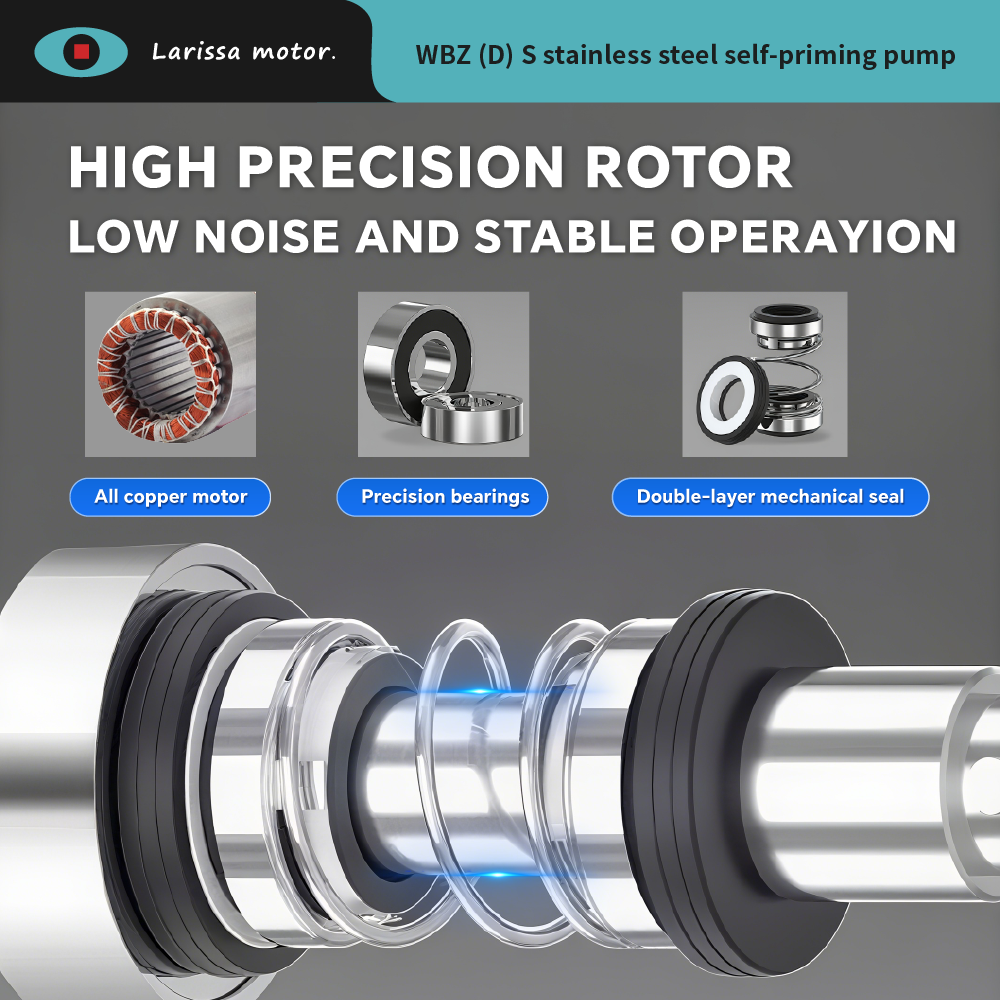
Material Quality: Verify  that the manufacturer  uses high-grade  materials  that meet  international  standards. For example, stainless steel should conform  to ASTM standards to ensure corrosion  resistance and  durability.

Production Processes: Understand the manufacturer's production processes, including machining, assembly, and quality control measures. Advanced manufacturing techniques can lead to more consistent product quality.

Quality Assurance Testing: Inquire about testing protocols for suction pumps, such as pressure testing, flow rate verification, and material integrity  assessments. A robust quality assurance process  can  help  identify defects before products leave the factory.

Certifications: Look for  certifications from recognized bodies, such as ISO 9001 for quality management systems. This can  provide confidence that the manufacturer adheres to strict quality control measures throughout  production.

Feedback and Reviews: Seek testimonials or case studies  from other customers who have used the manufacturer's products. This real-world feedback can offer insights into product reliability and performance.

By prioritizing these quality factors, buyers can reduce the risk  of operational issues and ensure they invest in reliable suction pumps.

Common Problems with Suction Pumps and Their Solutions

Common Problems with Suction Pumps and Their Solutions

Suction pumps can  encounter various problems that may hinder performance. Understanding these issues and their solutions can  help buyers maintain efficiency:

Loss of Suction: This can occur due to air  leaks, improper installation, or clogging. To  address this, regularly inspect  all connections for leaks  and ensure that the  pump is correctly installed according to  the manufacturer's guidelines. Regular maintenance, including cleaning filters, can  also prevent blockages.

Overheating:  If a pump overheats, it could  be due to excessive workload or inadequate cooling. Buyers should ensure  that the pump is not operated beyond its rated capacity and that sufficient  cooling mechanisms are in place.

Noise Issues: Excessive noise can indicate mechanical  failure or misalignment. Regularly check for signs of wear and ensure components are properly aligned. Replacing worn parts  promptly can also prevent further damage.

Vibration: This can be caused by imbalanced components or misalignment. Buyers should ensure  that  pumps are installed on  stable bases  and regularly maintain alignment to  reduce vibration and prolong equipment life.

By proactively addressing these common issues, buyers can ensure that their suction pumps operate efficiently and reliably.

Installation Guidance for Suction Pumps in Industrial Settings

Proper installation of suction pumps is critical to achieving optimal performance. Here are essential steps to consider during installation:

Site Assessment: Evaluate the installation site to ensure  it is suitable for the  pump. Factors such as proximity to the fluid source,  accessibility  for maintenance, and environmental conditions should be assessed.

Foundation Requirements:  Install pumps on a stable and level  foundation to minimize vibration and wear. The foundation should be designed to support the pump's weight and operational stresses.

Piping Configuration: Ensure that  the  piping system is designed  to minimize bends and restrictions. The use of appropriate fittings and seals can prevent leaks and improve efficiency.

Electrical Connections: If the pump is electrically powered,  ensure that all connections comply with local electrical  codes. Proper grounding and circuit protection are essential to ensure  safe operation.

Testing Post-Installation: Once installed, conduct thorough testing to confirm  that the  pump operates within specified parameters. Check for leaks, test flow rates, and ensure  that all safety  measures are in place.

By following these installation guidelines, buyers can  maximize the performance  and longevity of their suction pumps, ensuring they meet operational demands  effectively.

Understanding Suction Pump Specifications for Wholesale Buyers

When evaluating suction pumps, buyers should pay close attention to specific technical parameters that  define their performance.  Key specifications include:

Flow Rate:  This indicates the volume of fluid the pump can move per unit of time, usually measured in liters per  minute (L/min) or gallons per minute (GPM). A higher flow rate is essential for applications requiring rapid fluid transfer.

Maximum Suction Lift: This  refers to the highest vertical distance the pump can lift liquid from a source. Buyers must ensure  that the suction lift meets the requirements of their installation site to avoid operational failures.

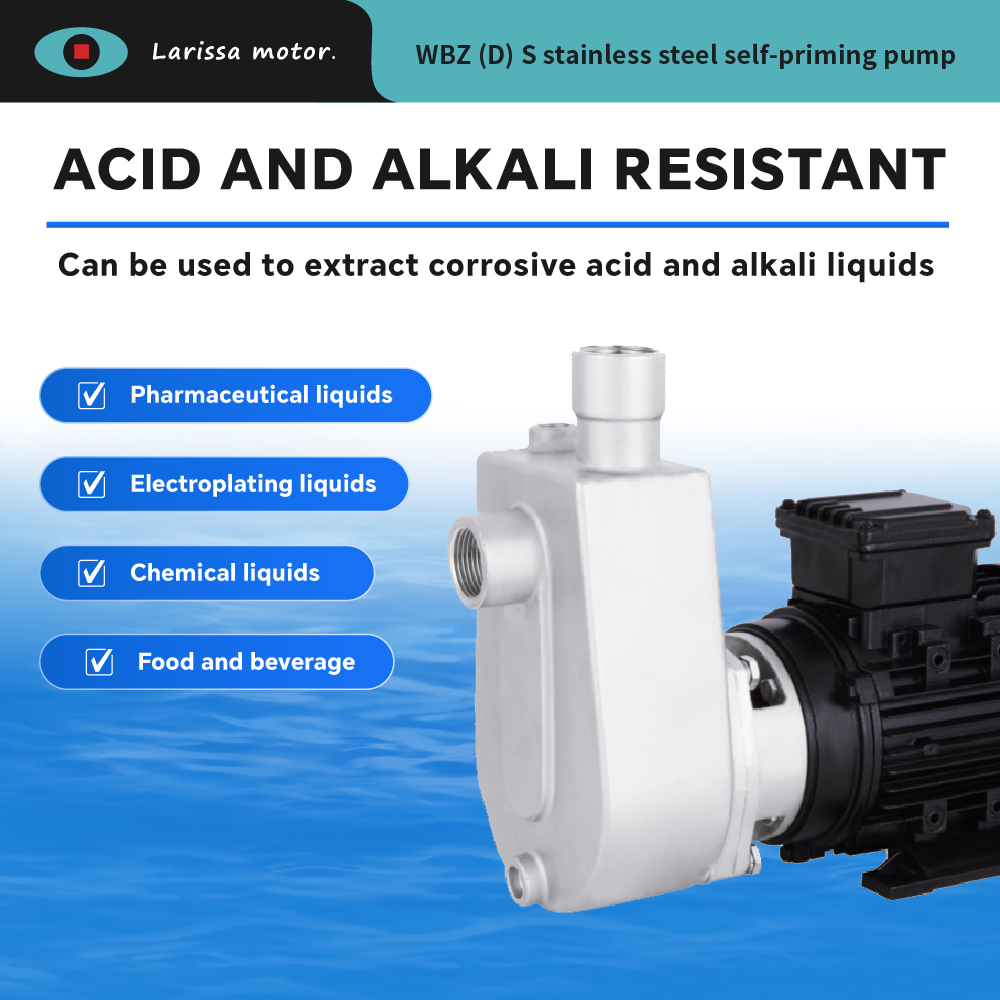
Material Construction: The materials used in suction pump construction should be compatible with the fluids being handled. Common materials  include stainless steel for corrosive substances and  thermoplastics for non-corrosive applications. Understanding the chemical  compatibility is vital to prolong pump life and performance.

Power Requirements: Suction pumps may require different  power sources, such as  electric or hydraulic power. Buyers should assess the  energy availability at their facility to ensure seamless operations.

Operating Temperature  and Pressure: Different pumps are rated for specific temperature  and pressure ranges. It's essential  to verify that the selected pump can handle  the operational environment to prevent damage.

By understanding  these specifications, wholesale buyers can make informed decisions  that  align with their application demands.

Get a Professional Sourcing Quote

Our pump experts will review your request and reply within 12 hours.
Choose Your Needs Optional Business Type
Customization Requirements Optional
Email
Name
Company Name & Website
Message
0/1000

Related product categories