Choosing the Right Water Circulation Pump for Projects

Get a Professional Sourcing Quote

Our pump experts will review your request and reply within 12 hours.
Choose Your Needs Optional Business Type
Customization Requirements Optional
Email
Name
Company Name & Website
Message
0/1000

water circulation pump

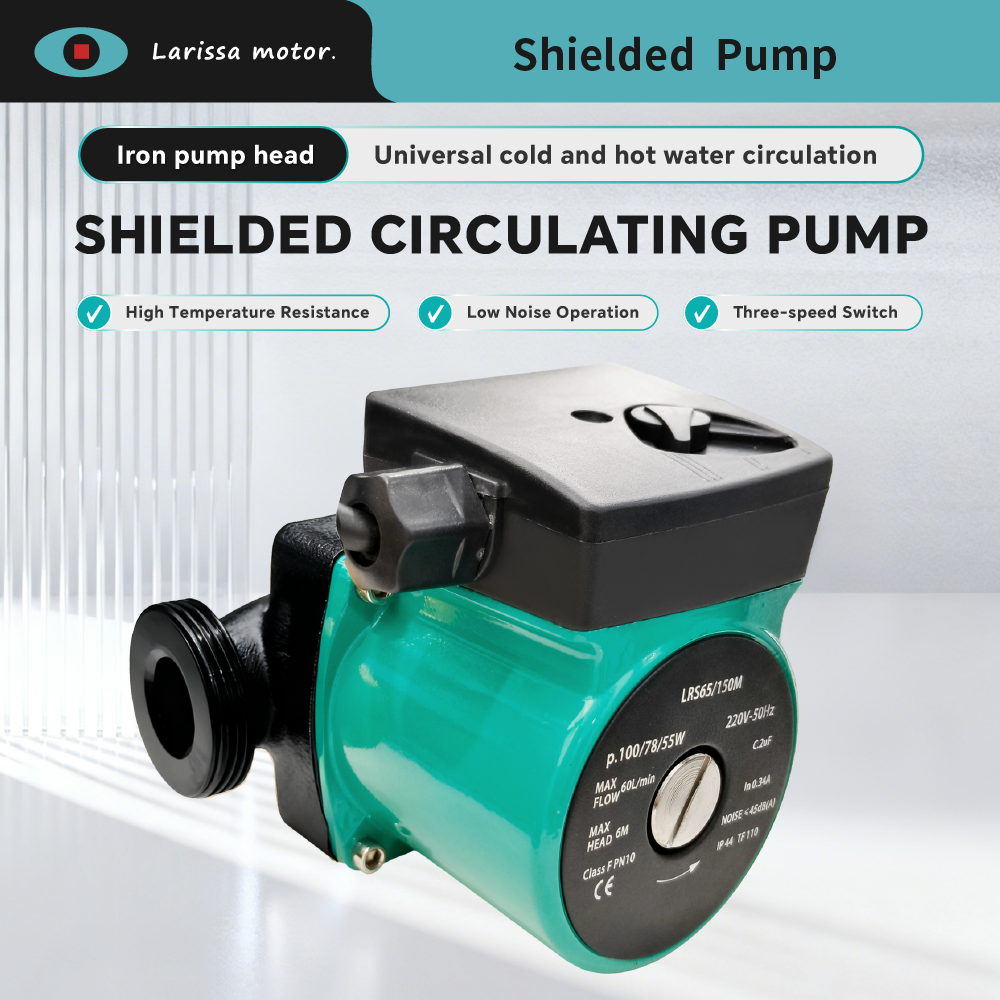
Water circulation pumps play a  crucial role  in  various  industrial  applications, ensuring efficient  fluid  movement for heating, cooling,  and  processing needs. As  a B2B buyer, you might have concerns about specifications, customization options,  supplier reliability, and  cost factors.  This article will help you  navigate these considerations,  providing insights into  selecting the  right  water  circulation pump for your projects.
 
Where to Find Reliable Suppliers for Water Circulation Pumps Globally

Where to Find Reliable Suppliers for Water Circulation Pumps Globally

Finding reliable suppliers for water circulation pumps requires thorough  research and assessment. Start by exploring industry directories and  trade shows  that focus on  manufacturing and industrial products. Online platforms like  ThomasNet, Alibaba,  and  Global Sources can also  provide valuable leads.

When evaluating  suppliers, consider their manufacturing capabilities,  experience, and  customer reviews. It's beneficial  to request samples or  visit their facilities if possible.  This  allows you to assess product quality and  manufacturing processes directly. Additionally, ensure that  your chosen supplier has experience  in  your specific industry and can accommodate any customization needs you may  have.
Cost Factors to Consider When Sourcing Water Circulation Pumps Wholesale

Cost Factors to Consider When Sourcing Water Circulation Pumps Wholesale

Understanding the cost factors involved  in sourcing water circulation pumps  is crucial for budgeting and procurement. Key elements that influence pricing include:

Material Costs: The  choice of  materials significantly affects the overall price. For example, pumps made from higher-grade materials like stainless steel will typically be more expensive  than those made from standard materials.

Customization Requirements: Custom  pumps designed to meet specific application needs will incur additional costs. Discuss your requirements with suppliers upfront to obtain accurate quotes.

Order Quantity: Many manufacturers have a minimum order  quantity  (MOQ) that can impact your cost per unit.  Bulk orders often lead  to cost  savings, so consider your long-term needs when placing  orders.

Shipping and Import Duties: If sourcing internationally,  factor in shipping costs  and potential import duties. These can significantly affect the total  cost  of acquisition.

By clearly communicating  your needs and understanding these  factors, you can negotiate better  prices and make  informed purchasing decisions.

Applications of Water Circulation Pumps in Industrial Settings

Applications of Water Circulation Pumps in Industrial Settings

Water circulation pumps are utilized in diverse industrial applications, including:


Heating and Cooling  Systems:  They are essential in HVAC systems, ensuring efficient heat transfer and  maintaining desired temperatures  in commercial and industrial buildings.

Industrial Processing: Many manufacturing processes require precise temperature  control,  where  water circulation pumps  help  maintain  the right conditions for chemical reactions or material processing. For high-pressure applications, consider a Horizontal Multistage Centrifugal Pump for High Pressure Water Supply Systems.

Aquaculture: In fish farming,  these  pumps  circulate water to maintain oxygen levels and  remove waste, promoting a healthy environment for aquatic  life.

Renewable Energy: In solar  thermal systems, water circulation pumps are used to transfer heat from collectors  to storage tanks, demonstrating their versatility in  modern energy solutions.

Understanding these applications will help you identify the right  pump configurations and capabilities for your specific needs.

Comparing Different Water Circulation Pump Models for Your Projects

When comparing different models of water circulation  pumps, consider the following factors:

Performance Specifications: Review flow rates, head pressures, and energy efficiency ratings.  Ensure the model you select matches  your operational requirements.

Durability and Maintenance: Assess the construction quality and expected lifespan  of  the pump. Models designed with easy maintenance in mind can reduce downtime  and operational  costs.

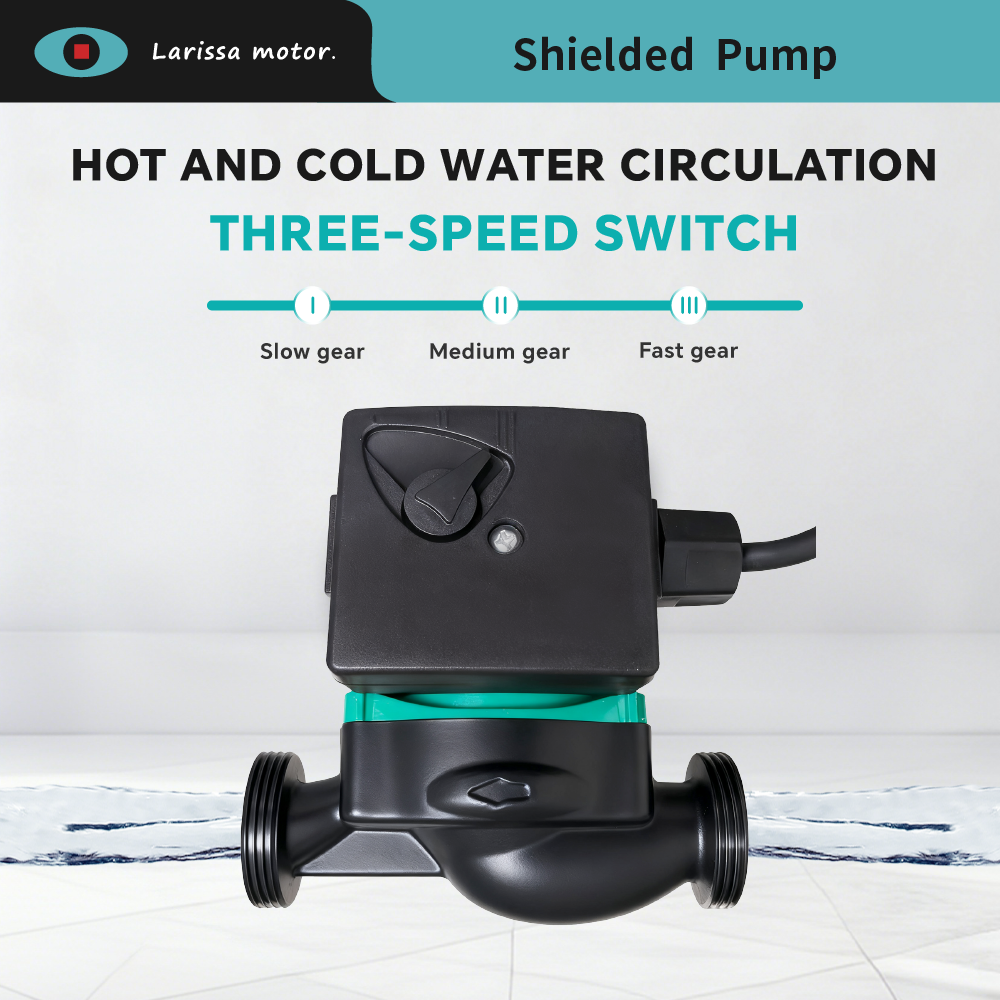
Customization Options: Some manufacturers offer customizable features such as  variable  speed controls,  which  can enhance  the pump's efficiency and adaptability.

Warranty and Support: Consider the warranty offered by the manufacturer, as well as their  customer support services. A strong warranty indicates confidence in the product's durability and reliability.

By systematically evaluating these aspects,  you can select a water circulation  pump  that not only  meets  your current needs but also  adapts to future requirements,  ensuring long-term value and performance.

Key Specifications to Consider When Choosing a Water Circulation Pump

When selecting a water  circulation pump, several  key specifications should  be taken into account. These include flow rate, head  pressure, and material composition.

Flow Rate: This  is the volume of water the pump can move, typically measured in gallons per minute (GPM) or liters per minute (LPM). Ensure  that the pump’s flow rate meets the demands of your application, as insufficient flow can lead to inadequate performance.


Head Pressure: This measures the pump’s ability to lift water to a certain height.  It  is critical to match the head pressure with  your system's requirements to avoid operational issues. A pump with insufficient head  pressure may not effectively circulate water through the system.


Material Composition: Pumps can be made from various materials, including  stainless steel, cast iron, and  thermoplastics. The choice of material  should  depend on the fluid being circulated and the operating environment. For instance, stainless steel is preferable for corrosive  liquids, while  cast iron can  be used for standard applications. If you're dealing with corrosive substances, consider using a WBZ(D)S Stainless Steel Self Priming Pump Corrosion Resistant Pump.

Working closely with suppliers to confirm  these specifications can help prevent common issues that arise during production or implementation.

Get a Professional Sourcing Quote

Our pump experts will review your request and reply within 12 hours.
Choose Your Needs Optional Business Type
Customization Requirements Optional
Email
Name
Company Name & Website
Message
0/1000

Related product categories