EN
EN
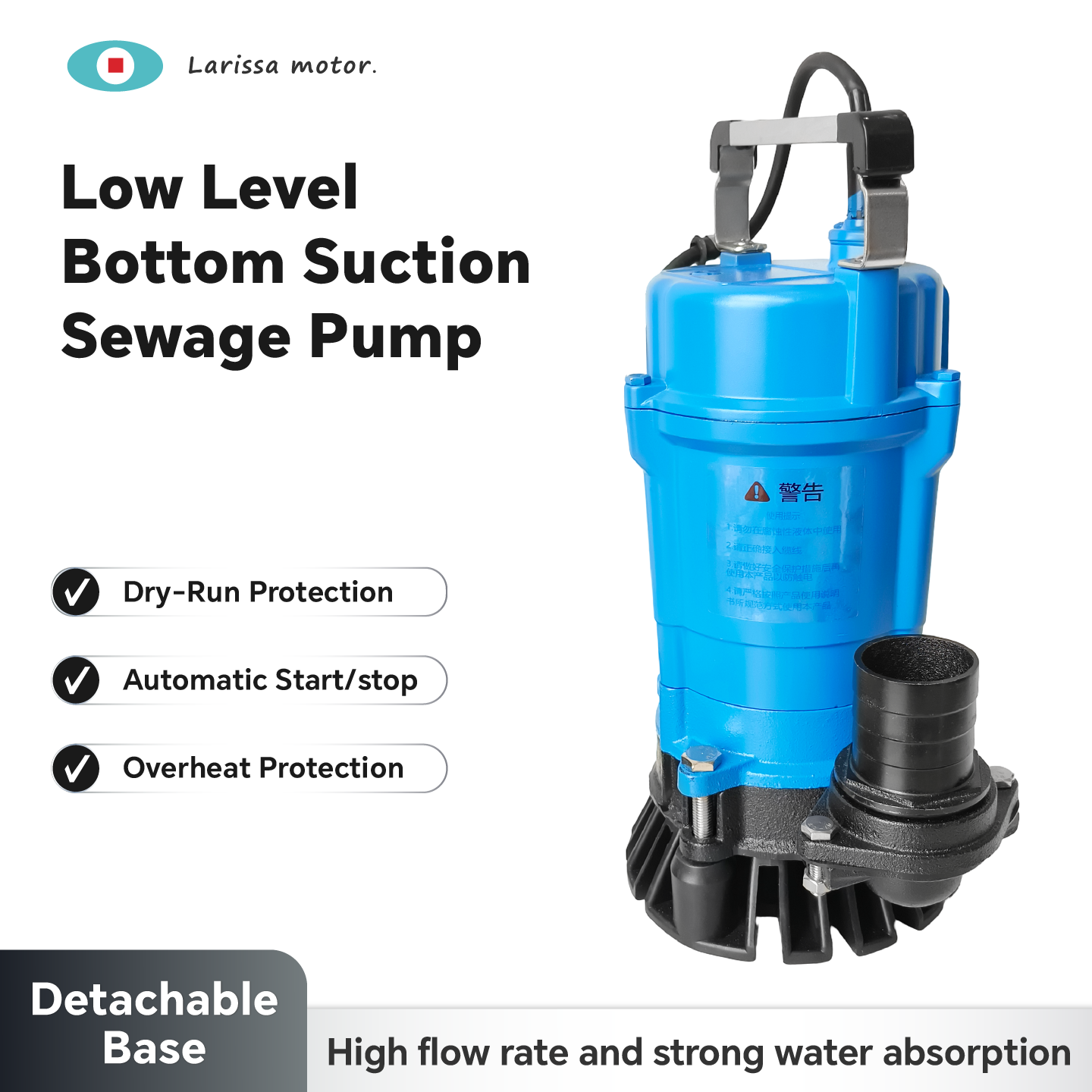
Understanding pump suction is essential for industries relying on efficient fluid transfer and management. This article will address critical considerations for purchasing pump suction units, including specifications, supplier reliability, cost factors, setup best practices, and application contexts. By focusing on these aspects, we aim to equip purchasing managers, engineers, and product managers with the knowledge necessary to make informed decisions when acquiring pump suction products.
Reliable Suppliers for Pump Suction Products
Choosing a reliable supplier for pump suction products is a critical aspect of ensuring quality and performance. When evaluating potential suppliers, consider the following:
Manufacturing Standards: Look for suppliers that adhere to international manufacturing standards, which can often be verified through certifications such as ISO 9001. These standards indicate a commitment to quality control and consistency in production.
Customization Capabilities: Many applications may require tailored solutions. Suppliers like Larissa Motor, with experience in customization, can provide products that meet specific operational requirements, enhancing performance. For instance, they may offer options for Construction & Drainage Pumps that fit unique site conditions.
Experience and Reputation: Research suppliers’ track records in the industry. A supplier with years of experience and positive customer feedback is more likely to provide quality products and support.
Technical Support: Suppliers that offer robust technical support can help buyers troubleshoot issues and optimize product performance, leading to better operational outcomes.
Lead Times and Delivery Reliability: Assess the supplier's ability to meet delivery timelines. Reliable suppliers will have established logistics processes to ensure timely delivery of products.
By focusing on these criteria, buyers can identify trustworthy suppliers that will contribute to the success of their operations.