Choosing the Right Scroll Pump for Your Application

Get a Professional Sourcing Quote

Our pump experts will review your request and reply within 12 hours.
Choose Your Needs Optional Business Type
Customization Requirements Optional
Email
Name
Company Name & Website
Message
0/1000

scroll pump

Choosing the right scroll pump for  your  application is crucial for ensuring efficiency, reliability, and cost-effectiveness in your operations. Scroll pumps are used in  various industries for their  unique ability to create a vacuum with minimal noise  and vibration. However, B2B buyers often face concerns  about compatibility  with  existing  systems,  performance specifications, and overall quality. This  article  will guide  you through the process of selecting the right scroll pump, evaluating key specifications, understanding the  quality control  processes  involved  in manufacturing,  assessing cost factors for wholesale purchasing,  and addressing common installation challenges.
 

Our Products

Key Specifications to Evaluate When Sourcing Scroll Pumps

Key Specifications to Evaluate When Sourcing Scroll Pumps

Several key specifications should  be carefully evaluated when sourcing scroll pumps:

Vacuum Level:  Measure the ultimate vacuum achievable by the pump. This specification  will help ensure that the pump meets the needs of  your application, whether it's for laboratory processes, industrial vacuum packaging, or other  functions.

Flow Rate:  Assess the pump's capacity to move gas. This is  usually  expressed in liters per minute (L/min) and will  depend on the specific operational conditions.

Power Consumption: Consider the  energy efficiency of the  pump. A lower power requirement can lead to significant cost savings over time, making it an important specification for many buyers.

Material Compatibility: Ensure that the materials used in  the pump's construction are suitable for the gases or vapors  it will handle. This includes checking for  resistance to corrosive substances or high temperatures.

Noise Level: For applications where sound is a concern, such as in laboratory  settings, the  noise produced by the pump  should be within acceptable limits.

Understanding these specifications will not only help you choose the right scroll pump but also inform discussions  with suppliers  regarding customization or special requirements.
 
Understanding the Quality Control Process for Scroll Pumps

Understanding the Quality Control Process for Scroll Pumps

Quality  control is vital in  the manufacturing of scroll pumps to ensure  performance and reliability. Larissa Motor employs rigorous quality control processes throughout its production cycle, from design to final assembly. This includes:


Material Inspection: All raw materials are thoroughly inspected  and  tested for compliance with international quality standards before they enter  production.

In-Process Testing: During assembly, various tests are conducted to verify the dimensions and  functional performance of each component. This  helps prevent issues that  could arise from manufacturing defects.


Final Testing: Each scroll pump undergoes a final performance  test to confirm that  it meets specified parameters such as vacuum level  and flow rate. This ensures that only pumps that meet  quality standards are  shipped to  customers.

When sourcing scroll pumps, inquire about the manufacturer's quality control processes,  as these directly impact the  reliability and longevity of  the pumps you purchase.

Cost Factors to Consider When Purchasing Scroll Pumps Wholesale

Cost Factors to Consider When Purchasing Scroll Pumps Wholesale

Understanding the pricing structure for scroll pumps is crucial for buyers looking to purchase wholesale. Several cost factors come into play:

Volume Discounts: Many manufacturers offer  price breaks for bulk orders. Knowing your expected purchase volume can help  you negotiate better pricing.

Customization Fees:  If your application requires specific modifications or custom features, be  prepared for additional costs. Discuss these needs upfront with potential suppliers.

Shipping and Handling: Factor in shipping costs, particularly if you are importing pumps from international  manufacturers. This  can significantly affect the overall cost.


Warranty and Support:  A manufacturer offering a  robust warranty and customer support may justify a higher initial price, as it  can  reduce long-term costs  related to maintenance and replacements.

Material and  Technology: Advanced materials or unique technologies  (like  those  enhancing energy efficiency  or reducing noise) may increase the upfront cost but can provide savings or  benefits over time.

Being aware of these factors will help you make a  more informed purchasing decision and better  manage your budget.

Common Installation Challenges with Scroll Pumps and Solutions

While scroll pumps are generally easier to install than some other types of  pumps, several challenges can arise during the installation process.  Here are common issues and their solutions:

Space Constraints:  Ensure that the pump's dimensions align  with your installation area. If space is tight, consult with the  manufacturer about compact models or custom solutions to fit your  layout.

Vibration and Noise: Although scroll pumps are typically quieter than  alternative solutions, improper installation can lead to vibrations that may cause noise or damage. Use anti-vibration  mounts  or pads to minimize  these effects.

Electrical Connections: Ensure  that the pump's electrical requirements match  your facility's specifications. Consult with an electrical engineer  if modifications are needed to accommodate  the pump.

Pipe Compatibility: Verify that the inlet and outlet piping are compatible with the pump's connections. This may require adapters or custom fittings, which should be planned in  advance.

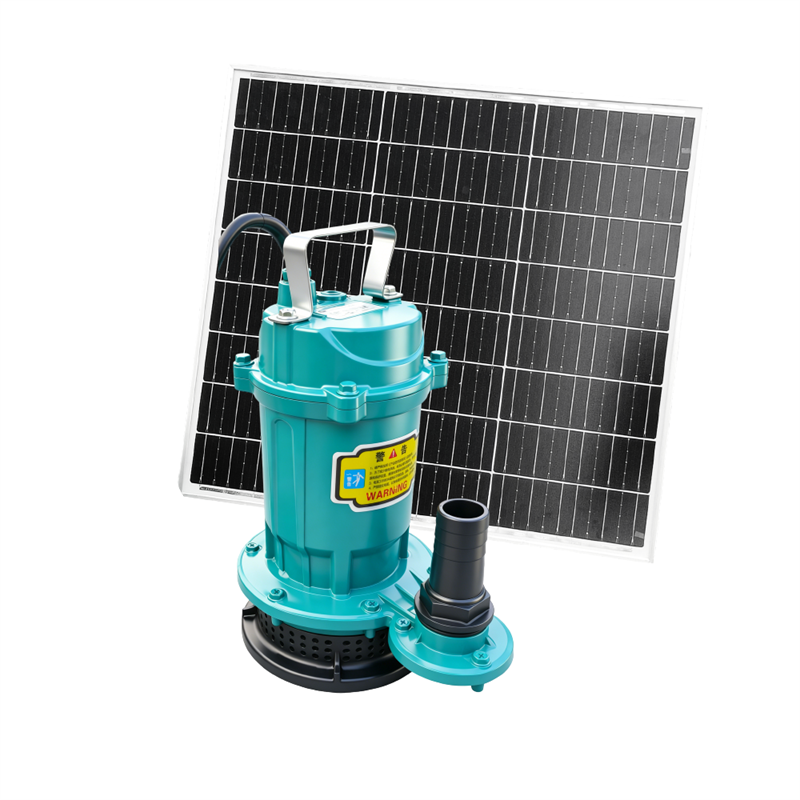
Addressing these challenges during the installation  planning stage can facilitate a smoother setup process  and enhance the pump's  performance thereafter. Additionally, considering a Portable Solar Water Pump for Farm Irrigation & Remote Area Water Transfer might provide an alternative solution for certain applications.

In  summary, selecting the right scroll pump involves careful consideration of application  needs, thorough evaluation of specifications, understanding quality control processes, and being aware of cost factors. By being informed about common installation challenges and their solutions, you can ensure that your investment in a scroll pump will meet the operational demands of your business effectively.

How to Choose the Right Scroll Pump for Your Application Needs

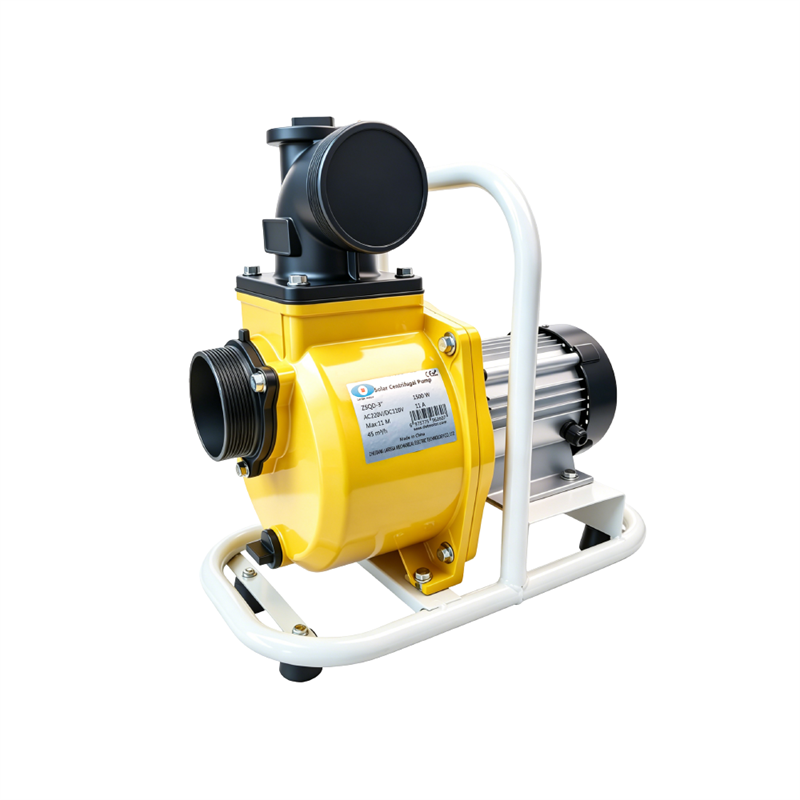
When selecting  a scroll pump,  first consider the specific  requirements of your application. Factors such as the desired vacuum level, flow rate, and the type of gases or vapors  being handled will determine the suitability  of different models. For instance, a  scroll  pump designed for high vapor loads may incorporate specialized  materials or coatings to prevent corrosion, while others may focus  on delivering higher  flow rates for faster processing. You might also find options like the DC CPM Centrifugal Water Pump for Solar Irrigation & Agricultural Water Transfer to be beneficial for specific applications.


It's also essential to evaluate the  pump's size and weight, especially if it needs to fit within existing equipment  layouts. Customization options may be  available  from manufacturers like Larissa Motor, allowing you to adapt the pump  to your specific installation requirements. Always  consult with suppliers to confirm that  the  pump's specifications align with your operational needs.

Get a Professional Sourcing Quote

Our pump experts will review your request and reply within 12 hours.
Choose Your Needs Optional Business Type
Customization Requirements Optional
Email
Name
Company Name & Website
Message
0/1000

Related product categories