EN
EN

When it comes to well water pump replacement, making the right choice can significantly impact the efficiency and longevity of your water system. This article addresses key considerations for selecting the appropriate pump, detailing specifications, common issues, and applications across various industries. Understanding these elements will help purchasing managers, distributors, engineers, and product managers make informed decisions that meet their operational requirements.
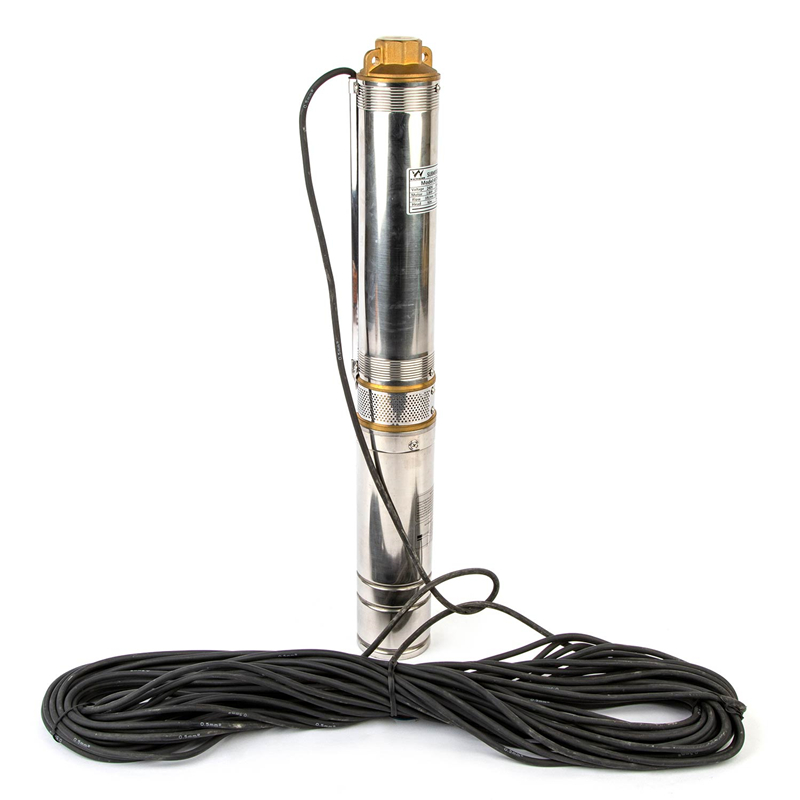
Key Specifications for Well Water Pump Replacement Products
When evaluating well water pumps, several key specifications should be prioritized:
Flow Rate (GPM): This indicates the volume of water the pump can deliver. For residential use, a flow rate between 5-15 GPM is typically sufficient, while larger commercial applications may require pumps with higher capacities.
Horsepower (HP): The horsepower rating affects the pump's ability to lift water from deeper wells. Generally, 0.5 HP is adequate for shallow wells, while deeper wells may need pumps rated at 1 HP or more.
Material: Pumps constructed from materials like cast iron, bronze, or thermoplastic provide varying levels of durability and resistance to corrosion. For instance, cast iron is robust but may corrode in acidic water, while thermoplastic is lighter and more resistant to chemicals.
Operating Temperature and Pressure Ratings: These specifications ensure the pump can operate effectively within the environmental conditions it will face. Always consult the manufacturer's guidelines to confirm suitability for your specific application.
Certifications: Look for compliance with international standards that ensure quality and safety. Pumps meeting the ISO or CE standards are often more reliable.