Choosing the Right Centrifugal Pump for Your Needs

Get a Professional Sourcing Quote

Our pump experts will review your request and reply within 12 hours.
Choose Your Needs Optional Business Type
Customization Requirements Optional
Email
Name
Company Name & Website
Message
0/1000

centrifugal pump

Centrifugal pumps are essential components  in various industrial applications, designed to  move fluids through  the  conversion of  rotational kinetic  energy.  For B2B  buyers,  selecting the  right centrifugal pump can be  a complex process, often involving  concerns about  specifications, performance, quality control, and cost.  This article  aims to provide comprehensive  insights  into these factors,  helping you make an informed  purchase decision that meets your project's needs.
 
Key Specifications to Evaluate When Selecting Centrifugal Pumps

Key Specifications to Evaluate When Selecting Centrifugal Pumps

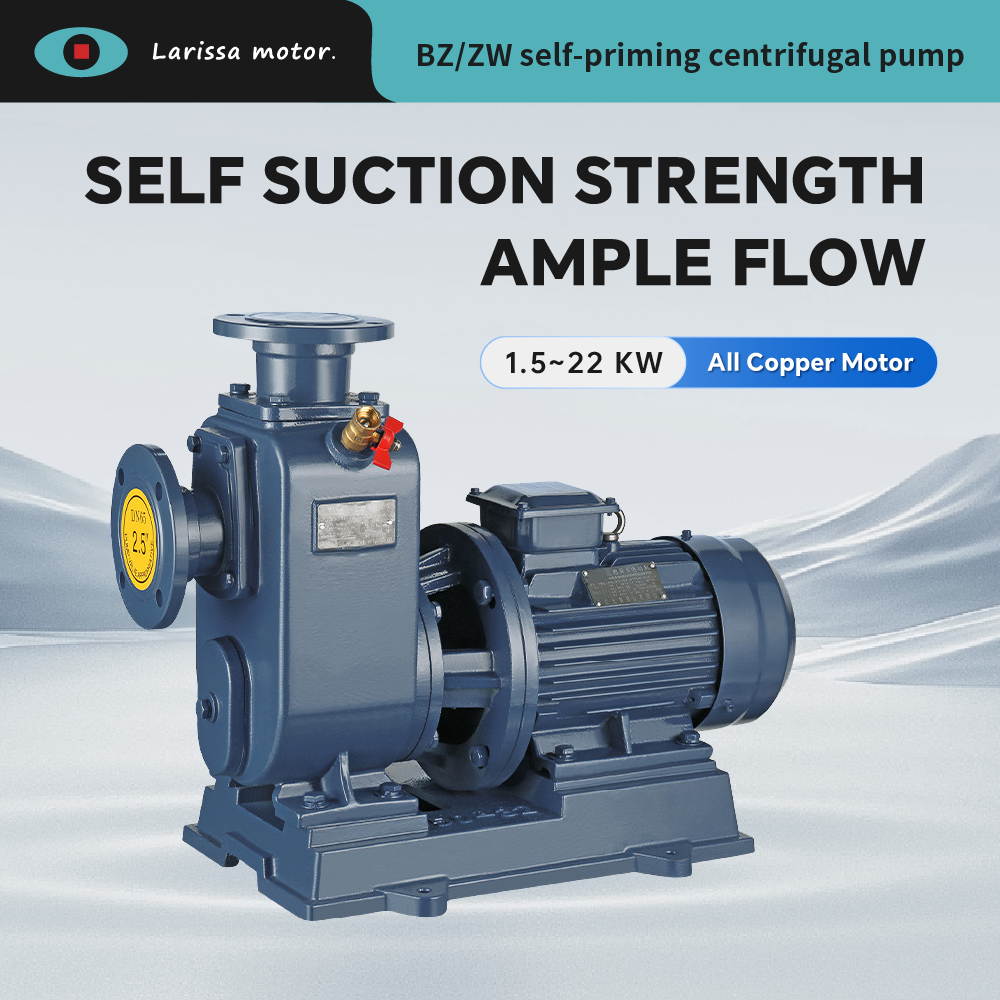
When evaluating centrifugal pumps, buyers should focus on  several critical specifications:

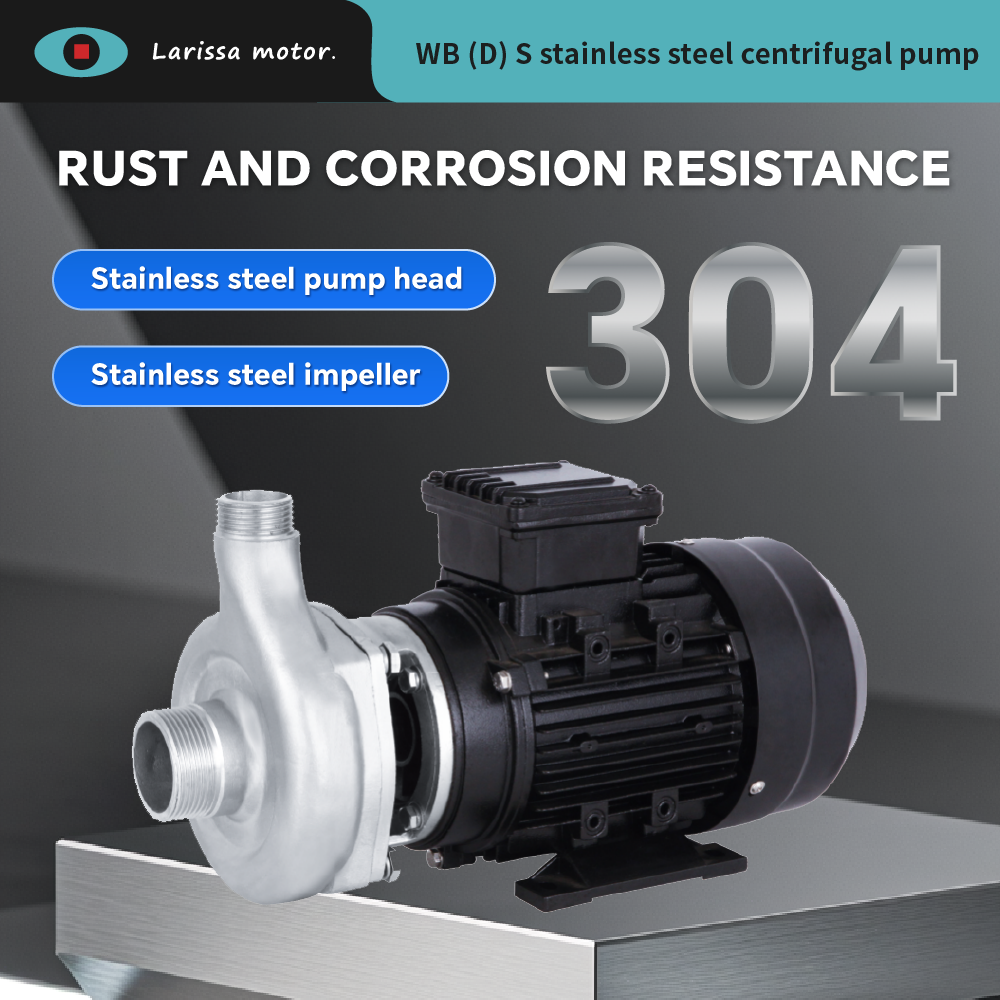
Material  Construction: The  pump's material affects  its  durability and compatibility with the pumped fluid. Common materials include stainless  steel for corrosive fluids and cast iron  for general  applications. Impeller Design: The impeller  type (open, semi-open,  or closed) impacts efficiency and  suitability for  specific applications. Closed  impellers typically offer higher efficiency, while open  impellers are better for liquids with solids. Pump Efficiency: Look for the pump's hydraulic efficiency rating. Higher efficiency reduces energy costs  and improves operational performance over time. NPSH Requirements: Net Positive Suction Head (NPSH) is crucial to avoid cavitation, which can damage  the pump. Ensure that your system provides  sufficient NPSH to meet the pump’s requirements.

Understanding these specifications will help  you identify pumps that not only  meet your performance criteria but also ensure long-term reliability and  cost-effectiveness.
Understanding the Quality Control Processes for Centrifugal Pumps

Understanding the Quality Control Processes for Centrifugal Pumps

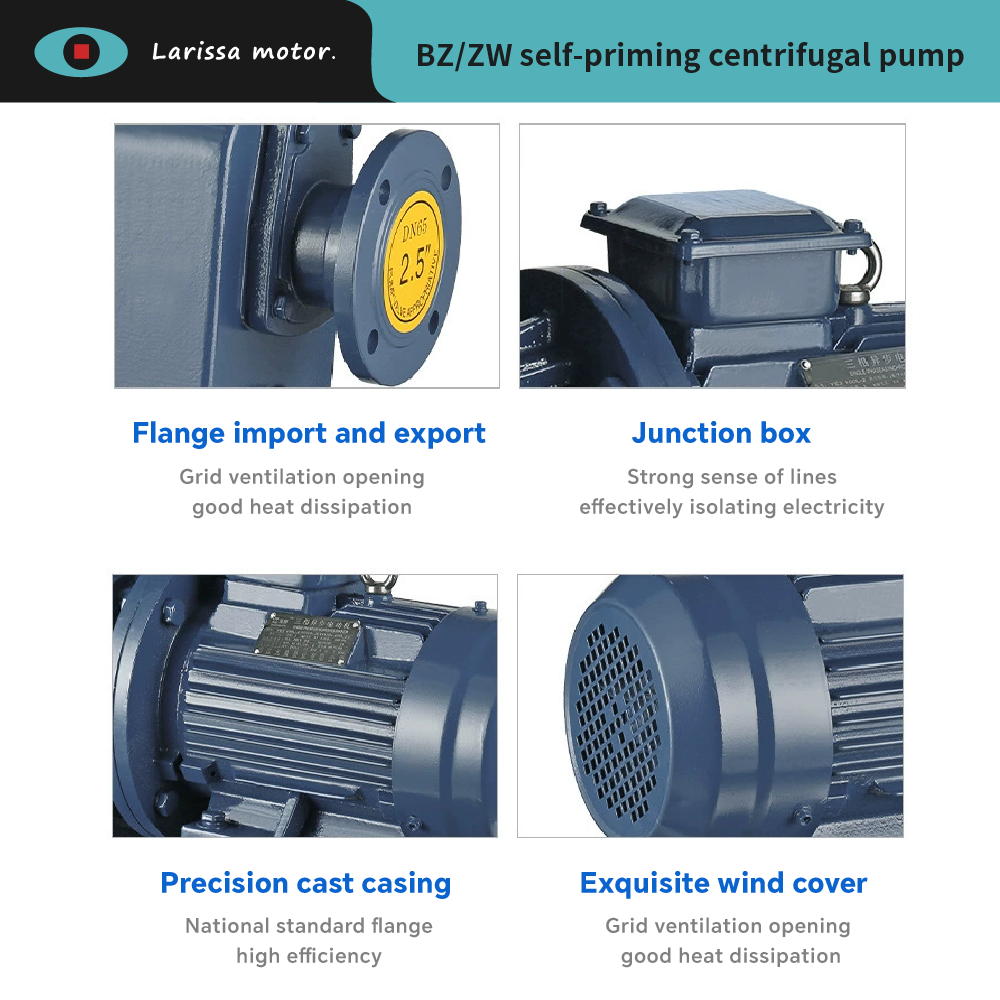
Quality  control  is a vital aspect of centrifugal pump  manufacturing, influencing performance and reliability. Larissa Motor adheres  to rigorous quality control  processes, ensuring that each  pump  meets international standards. Here  are some key quality assurance practices to  consider:

Material Inspection: Before production, all raw materials undergo thorough testing to confirm compliance with specified standards. This prevents defects caused by inferior materials. Production Monitoring: Continuous  monitoring during the manufacturing process ensures  adherence to  design  specifications and operational standards. This includes  dimensional checks and performance  evaluations. Final Testing: Each centrifugal pump is subjected to performance testing, where it is evaluated under simulated operational conditions. This  helps verify flow  rates, head performance, and overall efficiency.

By prioritizing quality control,  manufacturers can mitigate risks  associated with pump failure, which can lead  to costly downtime and repairs.

Cost Factors to Consider When Purchasing Centrifugal Pumps Wholesale

Cost Factors to Consider When Purchasing Centrifugal Pumps Wholesale

The  cost of centrifugal  pumps can vary significantly based  on several factors:

Pump Specifications: Higher-quality materials and advanced designs typically result in higher costs. Customization can  also increase expenses, depending on the  complexity of the modifications. Production Volume: Purchasing in bulk may  lead to price reductions.  However, be  aware of minimum order quantities (MOQs)  that can  affect  overall  cost. Supplier Reputation: Established manufacturers with a  proven  track record may command higher prices due to their reliability and  quality assurance processes.  Shipping and Handling: Consider the logistics involved in transporting pumps, especially for  international orders. Shipping costs can add significantly to the total  purchase price.

Understanding these  cost factors will help  you budget effectively and negotiate better terms with suppliers.

Technical Installation Guidance for Efficient Centrifugal Pump Use

Proper installation is crucial for the efficient  operation of centrifugal pumps. Here are essential considerations:

Alignment and Mounting: Ensure that the pump is correctly aligned with the motor and securely mounted. Misalignment can lead to  excessive wear and operational inefficiencies. Piping  Configuration: The layout of  the  inlet and outlet  pipes should minimize bends and restrictions. Properly  sized piping reduces friction losses and improves overall pump performance. Ventilation and Cooling: If pumps are installed in enclosed  spaces,  ensure adequate ventilation to prevent overheating, which can affect performance  and  longevity.  Routine Maintenance: Establish a  maintenance  schedule to inspect seals, bearings, and impellers regularly. Early detection of wear and tear can prevent costly repairs and extend pump life.

Following these  installation and maintenance guidelines will ensure that your centrifugal pump  operates at peak efficiency and reliability over its lifespan. 

By addressing these considerations, you  can confidently select and implement a centrifugal pump  that meets your business's operational demands,  ensuring both performance and cost-effectiveness.

How to Choose the Right Centrifugal Pump for Your Project Needs

Selecting the appropriate centrifugal pump  involves understanding the specific requirements of your application.  Key  considerations should include:

Fluid Characteristics: Assess  the type of fluid being  pumped (e.g., water, chemicals, slurries)  and its viscosity, temperature,  and corrosiveness. This will guide material selection and  pump design.  Flow  Rate and Head Requirements: Determine the required flow rate and the total dynamic head (TDH) needed to overcome system resistance. These parameters are crucial for proper pump  sizing. Application Environment: Consider the operating conditions, such as ambient temperature and humidity. Pumps may need to be resistant  to specific environmental factors depending on their installation site.  Customization  Needs: If standard pumps  do not  fit your criteria, evaluate  the manufacturer’s capability to customize designs to suit your specific application.

By addressing these aspects, you  can narrow down the options and select a  centrifugal pump  that aligns with your operational needs.

Get a Professional Sourcing Quote

Our pump experts will review your request and reply within 12 hours.
Choose Your Needs Optional Business Type
Customization Requirements Optional
Email
Name
Company Name & Website
Message
0/1000

Related product categories