Choosing the Right Submersible Sewer Pump

Get a Professional Sourcing Quote

Our pump experts will review your request and reply within 12 hours.
Choose Your Needs Optional Business Type
Customization Requirements Optional
Email
Name
Company Name & Website
Message
0/1000

submersible sewer pump

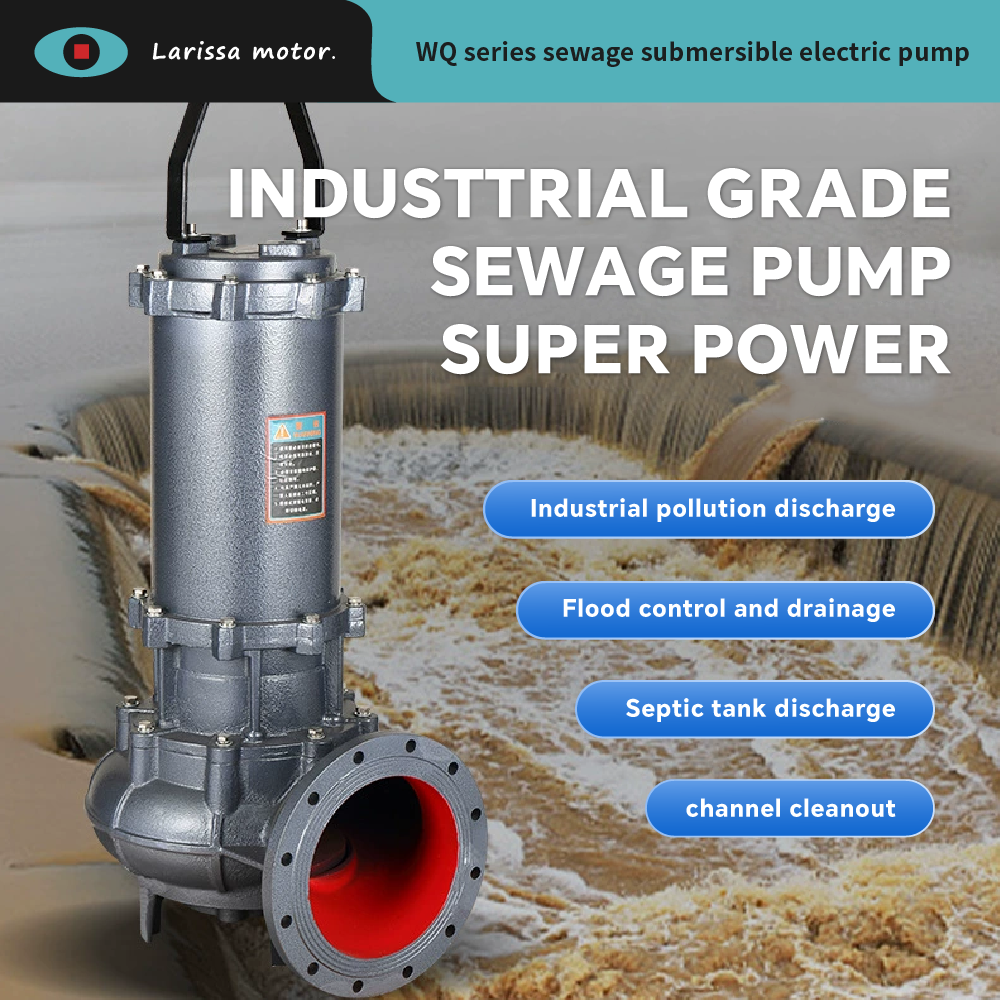
Submersible sewer  pumps are  essential devices used in  various applications  to  manage wastewater and sewage effectively.  For  professionals in manufacturing, engineering,  and construction,  understanding  the critical factors surrounding these  pumps is  vital for making informed purchasing decisions. This article will guide you through the process of selecting  the  right  submersible sewer pump, evaluating key specifications,  understanding cost factors, exploring industrial applications, and  highlighting essential  information contractors need  to know. For instance, when looking for pumps suitable for construction sites, you might consider Construction & Drainage Pumps as a potential option.
 
Key Specifications to Evaluate in Submersible Sewer Pumps

Key Specifications to Evaluate in Submersible Sewer Pumps

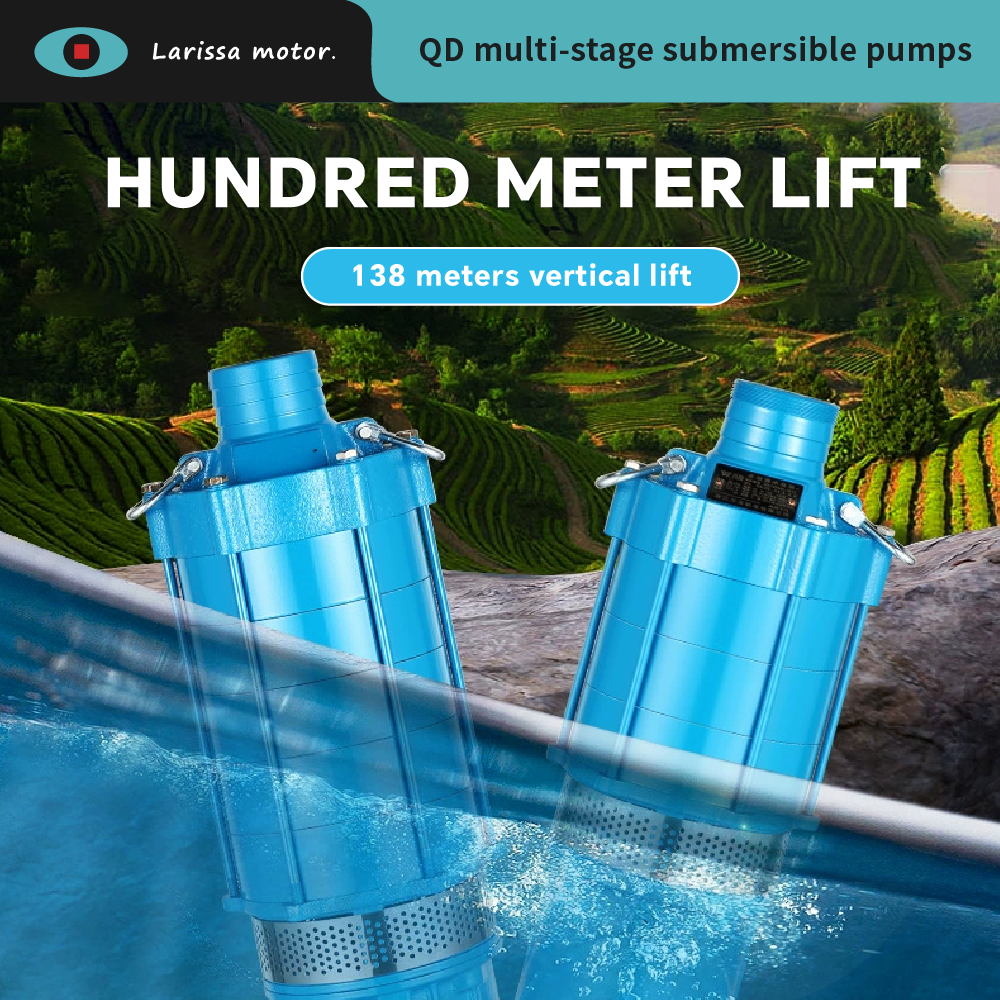
Several specifications are critical when evaluating submersible  sewer pumps:

Flow Rate: Measured in gallons per  minute (GPM), the flow rate indicates how much water the pump can move within  a certain timeframe. It must  align with your project requirements to ensure efficiency.


Head Height: This refers to the  height the pump can lift the wastewater. It's vital to choose a pump that can achieve the necessary discharge height for your particular application.

Motor Power: The horsepower (HP) of the motor affects  the pump's efficiency and capability. Selecting an adequately powered motor helps  to avoid overheating and ensures reliable operation.

Sealing and Protection: Look  for pumps with robust sealing mechanisms to prevent water ingress,  which can lead to motor failure. Additionally, pumps with thermal  protection can automatically shut down  in case of overheating.


Weight and Size: The physical  dimensions and weight of the pump  can impact installation. Ensure that the pump fits within  your project constraints without  compromising  performance.


Understanding these specifications will help you make a  more informed decision on which submersible sewer pump best suits your project needs.
Understanding Cost Factors for Wholesale Submersible Pumps

Understanding Cost Factors for Wholesale Submersible Pumps

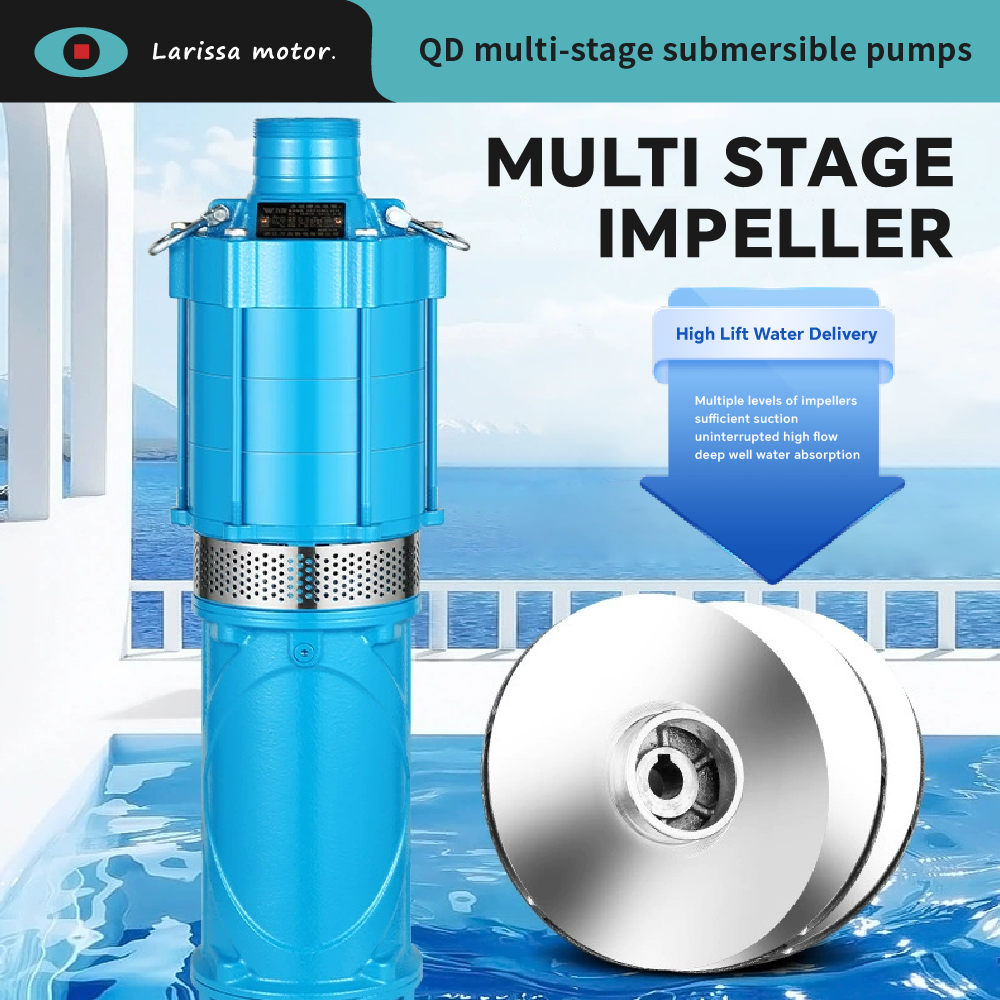
Pricing for  submersible sewer pumps can vary widely based on several factors.  The primary considerations include:

Material Quality: Pumps manufactured from high-quality materials, such  as corrosion-resistant alloys, generally command  higher prices due to their durability and longevity.

Manufacturing Processes: Advanced manufacturing techniques, including precision machining and quality control measures, contribute to the overall cost. A manufacturer with a strong reputation  for quality may charge  more but could ultimately save you  costs related to repairs or replacements.

Customization Needs: If your project requires specific modifications,  this can  increase costs. Custom features may involve additional engineering and production time.

Order Quantity: Many manufacturers offer discounts for bulk orders.  Understanding the minimum order quantity  (MOQ) can  help you plan your purchasing  strategy effectively.

Shipping and Handling: Consider the logistics  involved in transporting the pumps,  especially if they  are being shipped internationally. Costs can fluctuate based on  the destination  and shipping method.

By taking these factors into account, you can better understand the total cost involved in procuring  submersible sewer pumps  for your projects.

Applications of Submersible Sewer Pumps in Industrial Settings

Applications of Submersible Sewer Pumps in Industrial Settings

Submersible sewer pumps find applications  across  various industrial  settings, including:

Wastewater Treatment Plants: Used to  move sewage and wastewater to treatment  facilities efficiently.

Construction Sites: Essential  for dewatering excavations and managing groundwater, ensuring safe work conditions. For contractors in this field, utilizing Industrial Water Pumps can enhance project efficiency.

Municipal Systems: Employed  in sewer systems to  transport  sewage  from residential areas to  treatment facilities.


Flood Control: Utilized in areas prone to flooding,  helping  to manage excess water and  prevent  damage to infrastructure.

Mining Operations: Used to manage water influx in mines, allowing  for safer extraction processes.

Understanding the  specific applications of submersible sewer pumps can help you identify the  right product for your needs,  ensuring optimal performance in your projects.

What Contractors Need to Know

For contractors, a comprehensive understanding of submersible sewer pumps is vital. Here are key  considerations to keep in mind:

Site Assessment: Conduct a thorough  site  assessment to  determine the specific requirements for the pump, including depth, flow rates, and head height.

Maintenance Requirements: Familiarize yourself with the maintenance needs of the pump.  Implementing a regular maintenance schedule can  prevent  costly downtime  and extend the lifespan of the equipment.

Local Regulations: Be aware of local  regulations regarding  wastewater management and pump installations.  Compliance is essential to avoid penalties and ensure project  success.

Supplier Communication: When discussing specifications with suppliers, provide detailed  information about your project  requirements, including expected flow rates, head heights, and any  customization needs. This will help suppliers offer you the most suitable options.

Sample Approval: Before committing to a mass order, request samples to verify that  the  pump meets your specifications. Testing  under actual conditions can reveal potential issues that may not be apparent  from specifications alone.

By understanding these key points, contractors can ensure they  select the right submersible sewer pumps for their projects, ultimately leading to successful outcomes.

How to Choose the Right Submersible Sewer Pump for Your Project

When selecting a submersible sewer  pump,  several considerations come into  play. First, assess the specific requirements of  your project, including the type of wastewater  being pumped and the volume of flow.  It's crucial to match the pump's capacity to your project's demands to avoid inadequate  performance or overloading.

Additionally, consider the  pump's materials and construction. Pumps made  from corrosion-resistant materials, such as stainless steel or high-grade plastics, are vital for durability in wastewater environments. The  design should also allow for easy maintenance and servicing, as submersible pumps  may require routine checks to ensure  optimal performance. For various applications, including agricultural settings, Agricultural Water Pumps can be an excellent resource.

Another essential factor is the pump's power source. Electric  pumps are common for fixed installations, while gas-powered options might be necessary for temporary  setups without access  to electricity. Lastly,  evaluate the manufacturer’s customization  capabilities to ensure the  pump meets your specific  application  needs.

Get a Professional Sourcing Quote

Our pump experts will review your request and reply within 12 hours.
Choose Your Needs Optional Business Type
Customization Requirements Optional
Email
Name
Company Name & Website
Message
0/1000

Related product categories